WebP vs AVIF isn't a clear winner AVIF compresses smaller, WebP has wider support. Here's how each affects Core Web Vitals and which to use where.


Learn technical SEO concepts including crawling, indexing, XML sitemaps, robots.txt, canonical tags, site architecture, and website performance.
WebP vs AVIF isn't a clear winner AVIF compresses smaller, WebP has wider support. Here's how each affects Core Web Vitals and which to use where.
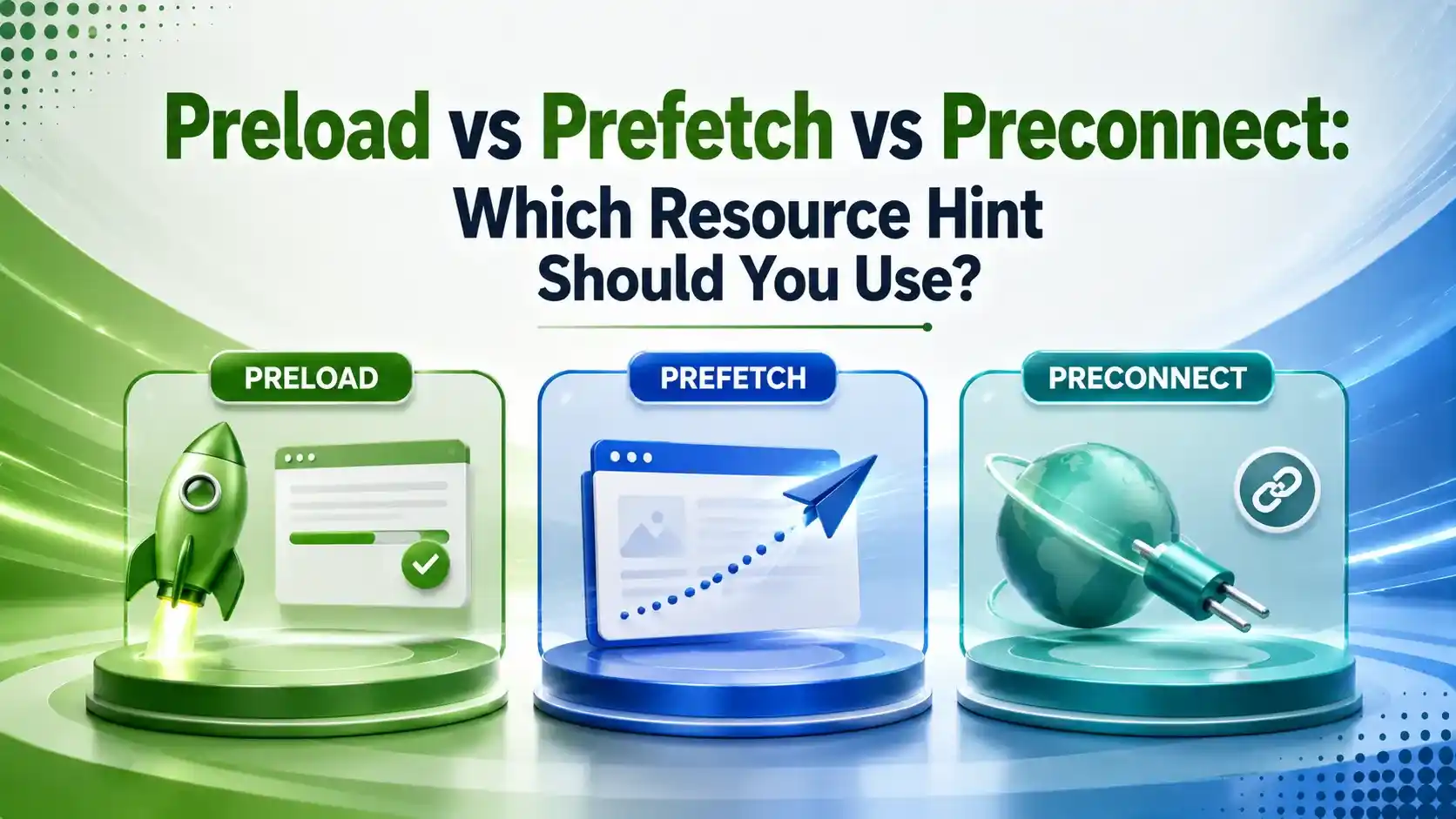
Preload vs prefetch vs preconnect trips up more developers than any other performance topic. Here's the exact decision flow for which hint to use where.
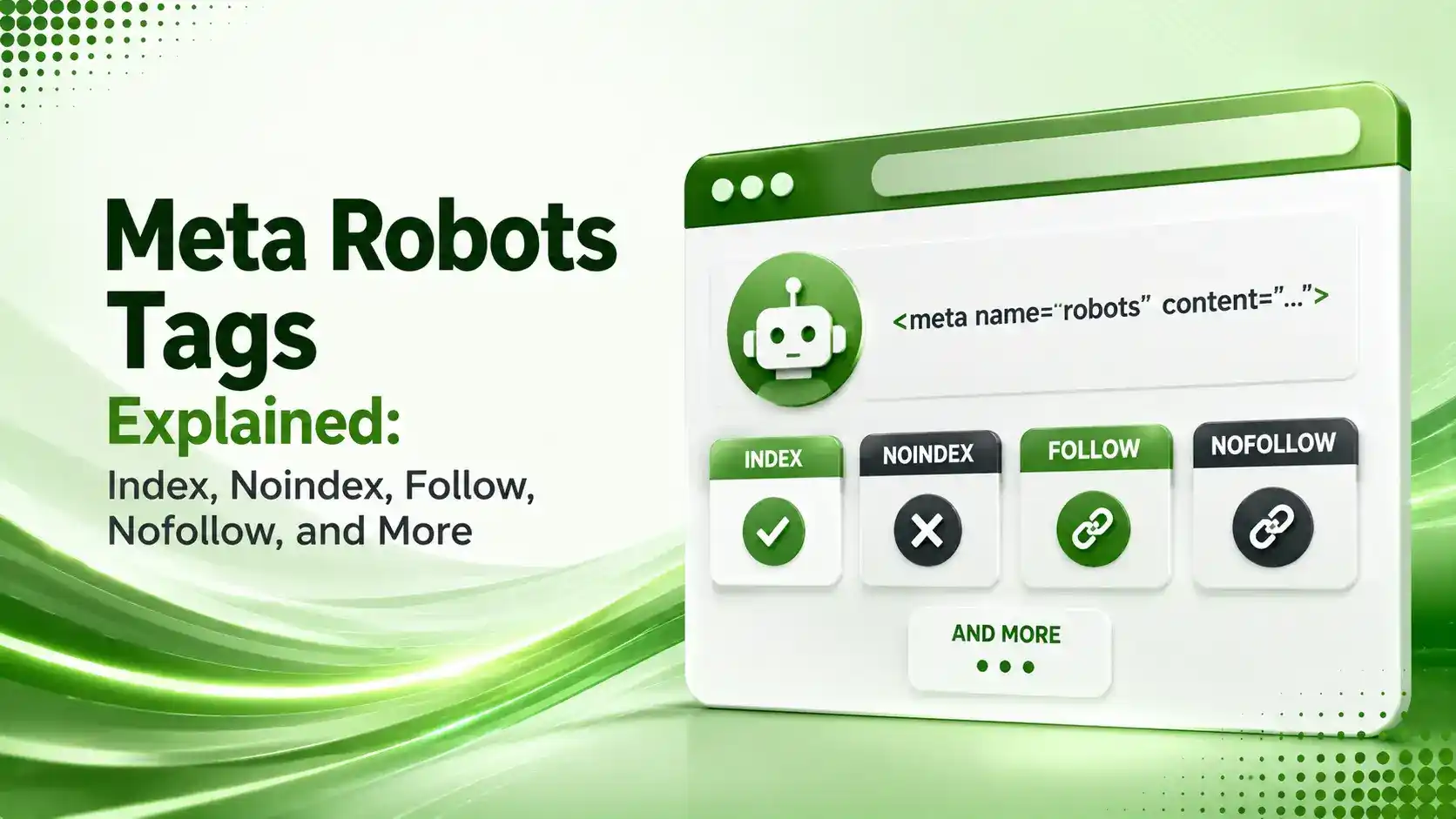
Meta robots tags explained simply: what index, noindex, follow, and nofollow control, how they differ from robots.txt, and the combinations to use where.
A soft 404 is just a page saying "I'm fine!" when Google thinks it's actually broken. Here's what causes it and how to fix it, in plain words.
Discovered vs Crawled currently not indexed needs completely different fixes. Here's how to read every URL Inspection verdict and actually resolve it.
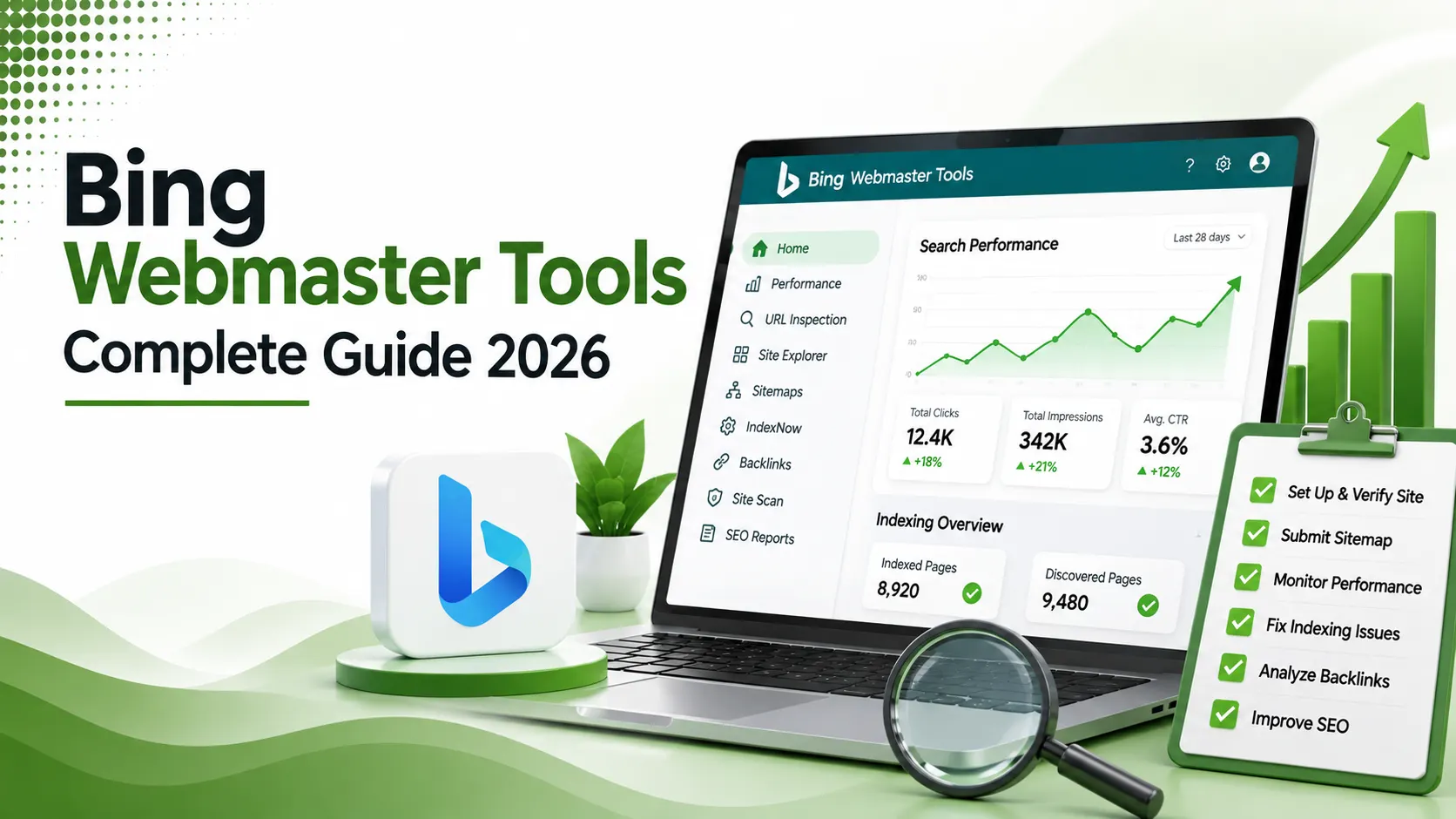
Bing Webmaster Tools is a free platform for managing and analyzing website presence in Bing Search, with features for search performance, keyword data, indexing, sitemaps, backlinks, and technical SEO monitoring.
Internal linking is the one part of SEO entirely within a site's own control — no backlink outreach needed. Here's Google's own guidance, the 3-click structure, good vs. bad anchor text, and a health checker for your own site.
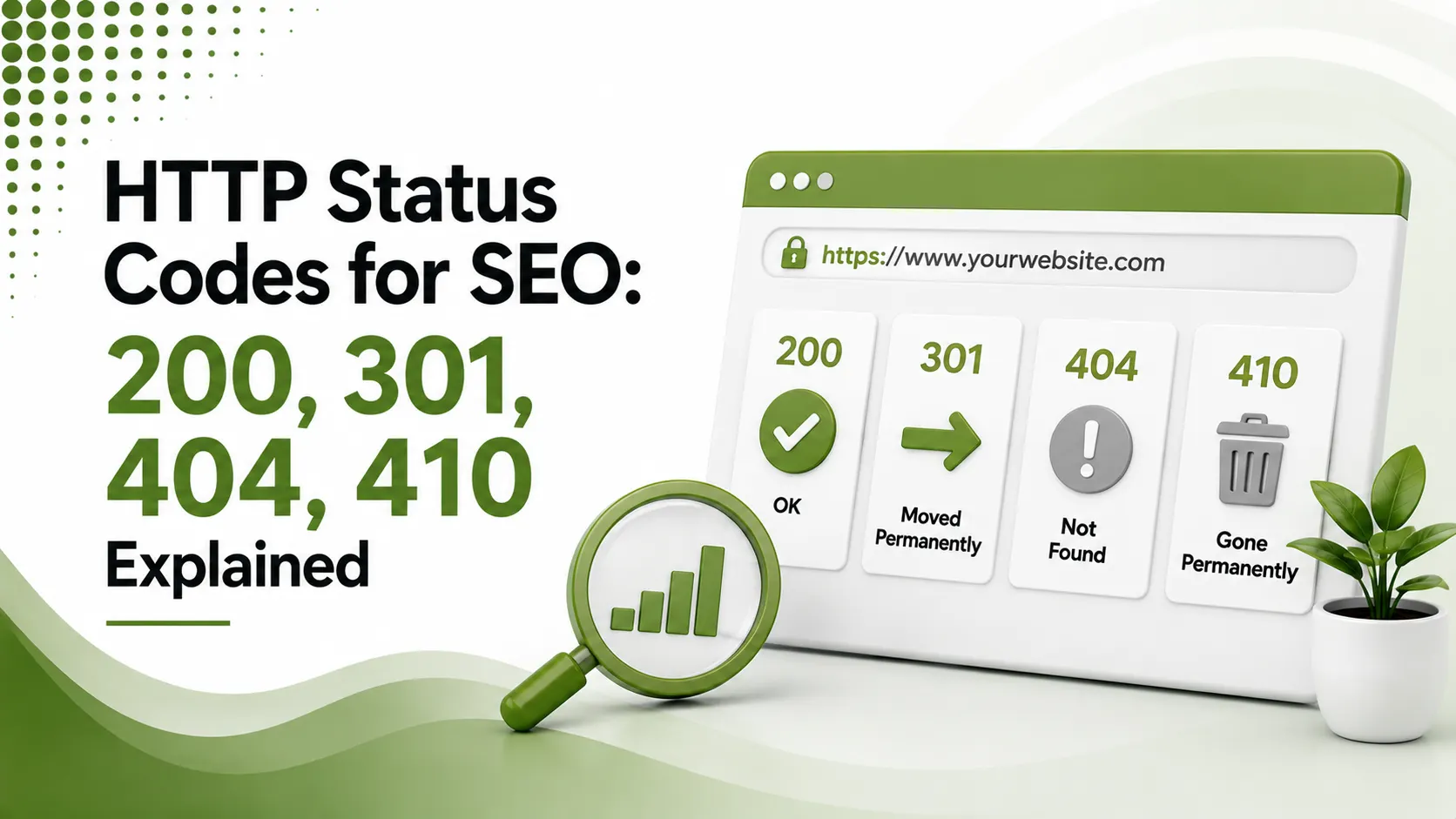
A server returning 200 on an empty page quietly wastes crawl budget while looking healthy. Here's what HTTP status codes for SEO actually mean real redirect code, the 404 vs 410 timing difference, the soft 404 trap, and a decision tool for your own URLs.
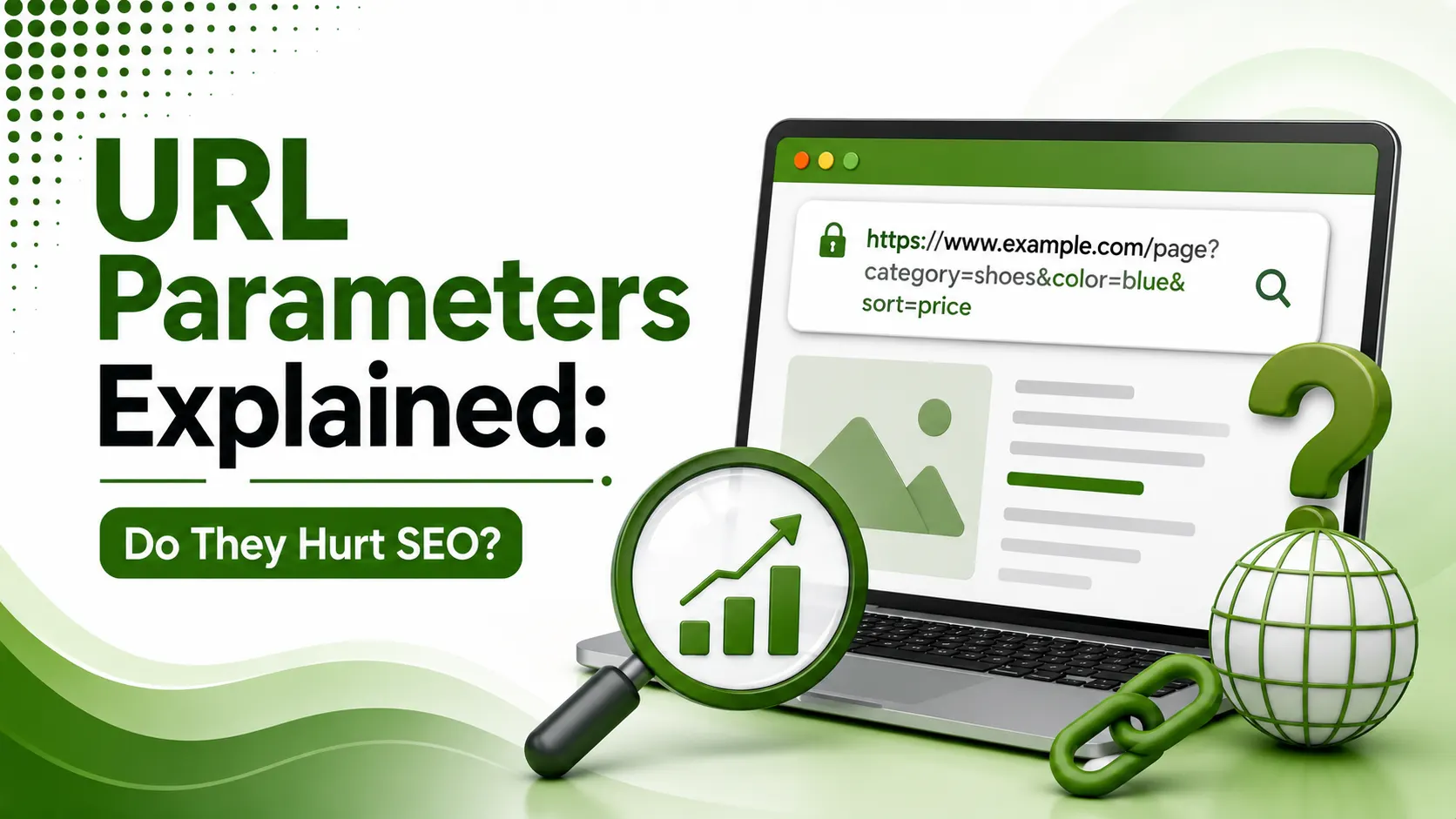
Marketers tag every campaign link with UTM parameters; developers add filters without a second thought. URL parameters don't hurt rankings directly but here's the one internal-linking mistake that quietly does, plus canonical fixes and a risk assessment tool.

A catalog with just 4 filters can generate 10,000+ URLs. Here are the 7 faceted navigation SEO mistakes behind nearly every ecommerce audit failure plus real canonical code, an AJAX fix for sort filters, and a risk checker for your own site.