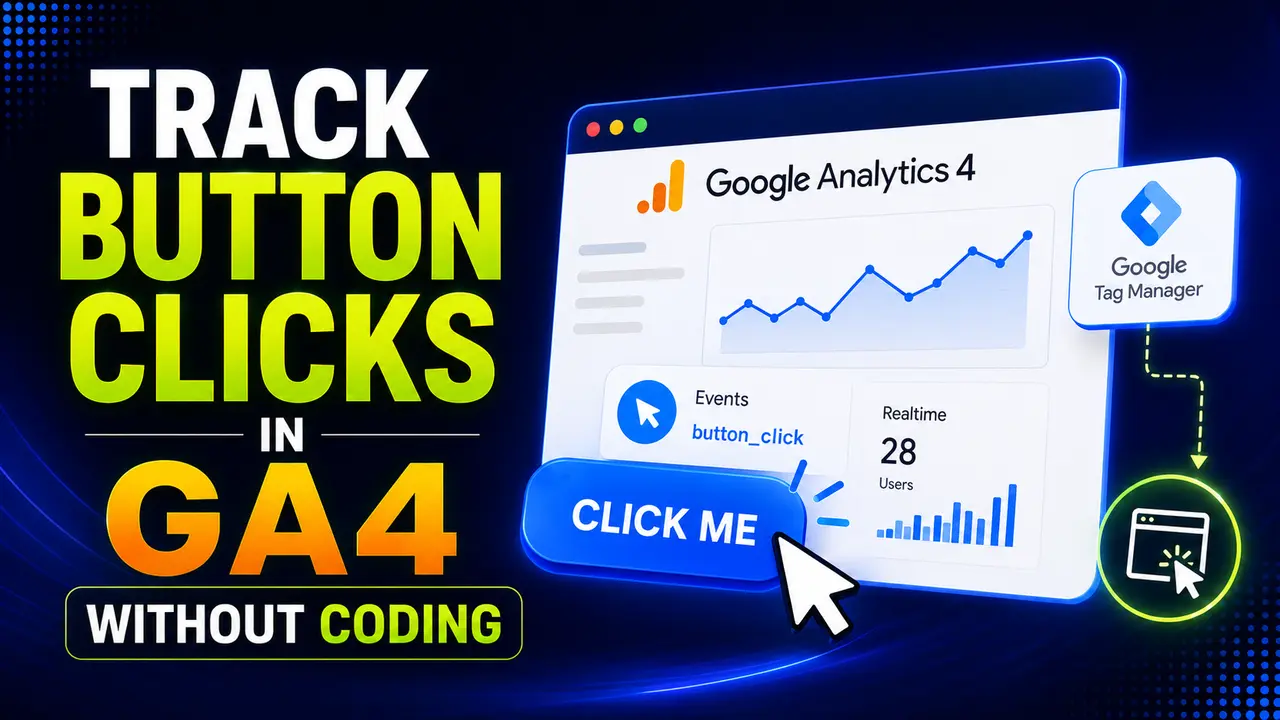
Most buttons never show up in GA4 because nobody wired them up. This guide shows the exact GTM trigger, variables, and CSS selector fix to track button clicks in GA4 without writing code.


Explore JavaScript tutorials, examples, concepts, and practical techniques for creating interactive and dynamic websites and web applications.
Most buttons never show up in GA4 because nobody wired them up. This guide shows the exact GTM trigger, variables, and CSS selector fix to track button clicks in GA4 without writing code.
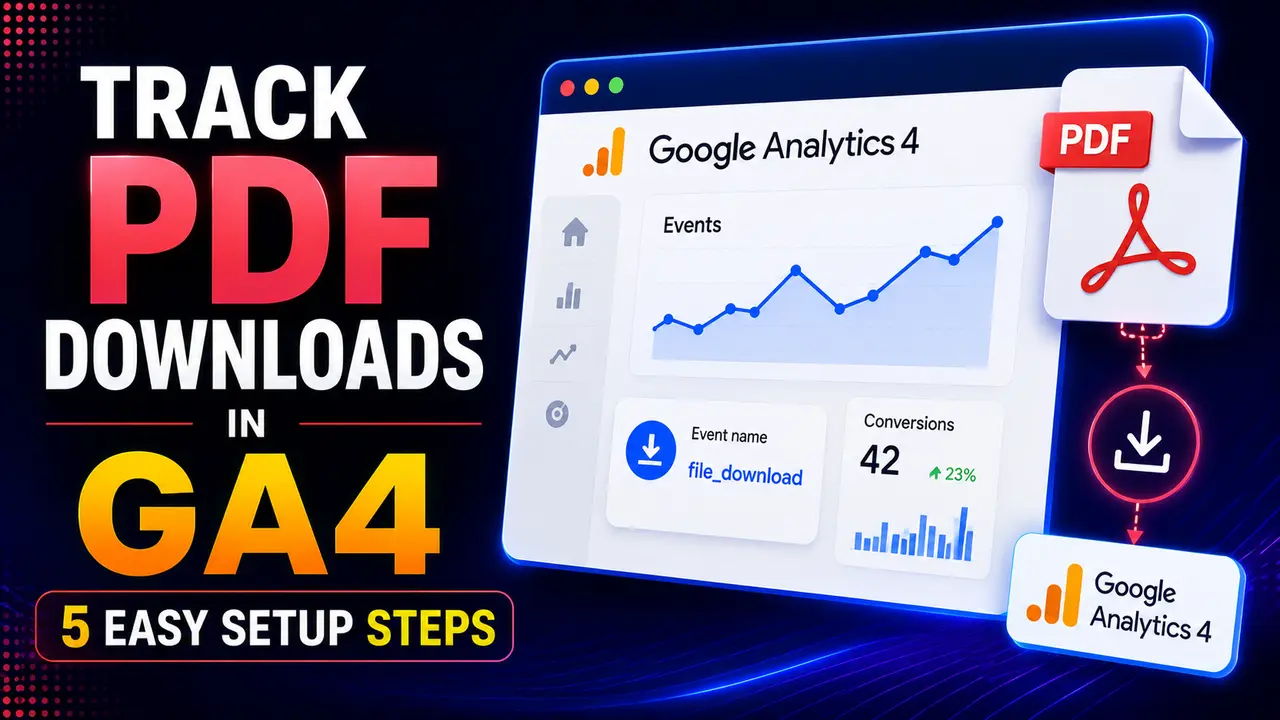
GA4 tracks PDF downloads automatically out of the box, until it doesn't. This guide shows exactly where the free Enhanced Measurement tracking breaks down and the simple GTM fix for each gap.
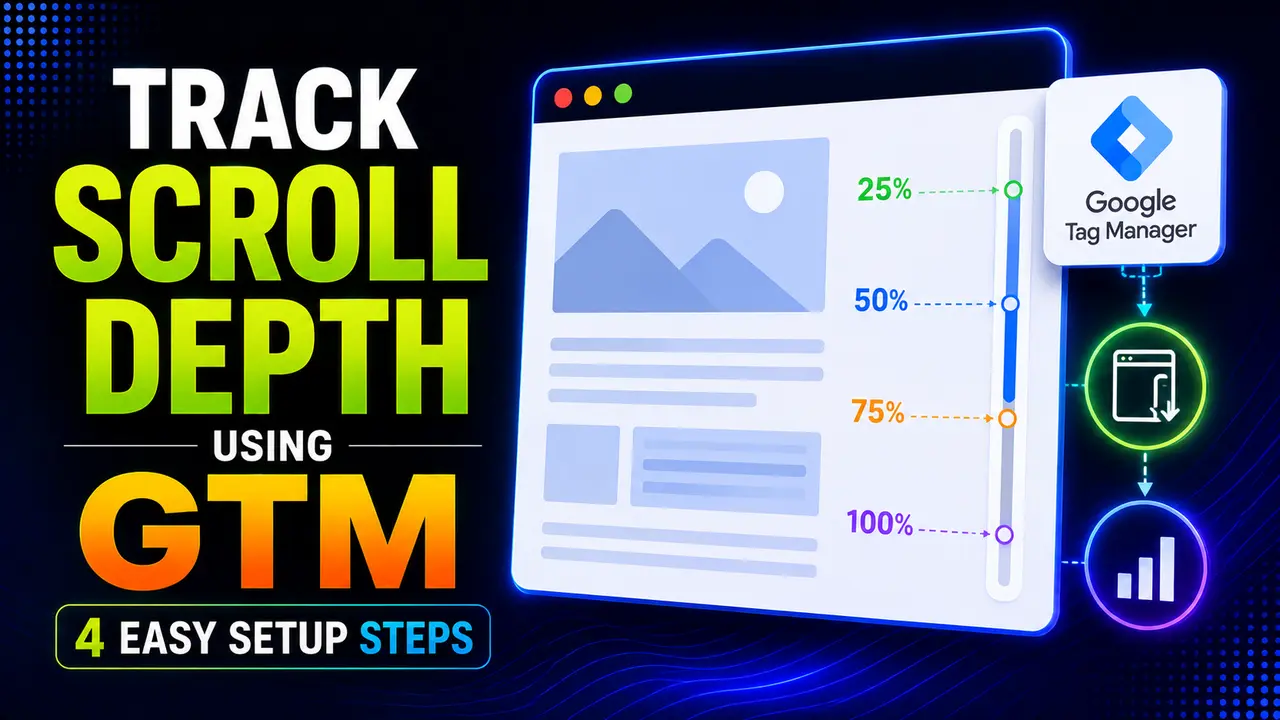
GA4 gives you one scroll checkpoint at 90%. This guide covers GTM's native Scroll Depth trigger, the real gotcha where thresholds can fire without a scroll, and how to set it up correctly.

GA4 tracks outbound link clicks automatically, but a documented link text bug and a real navigation timing race can still lose the data. Here's the GTM fix, proven with real timing measurements.
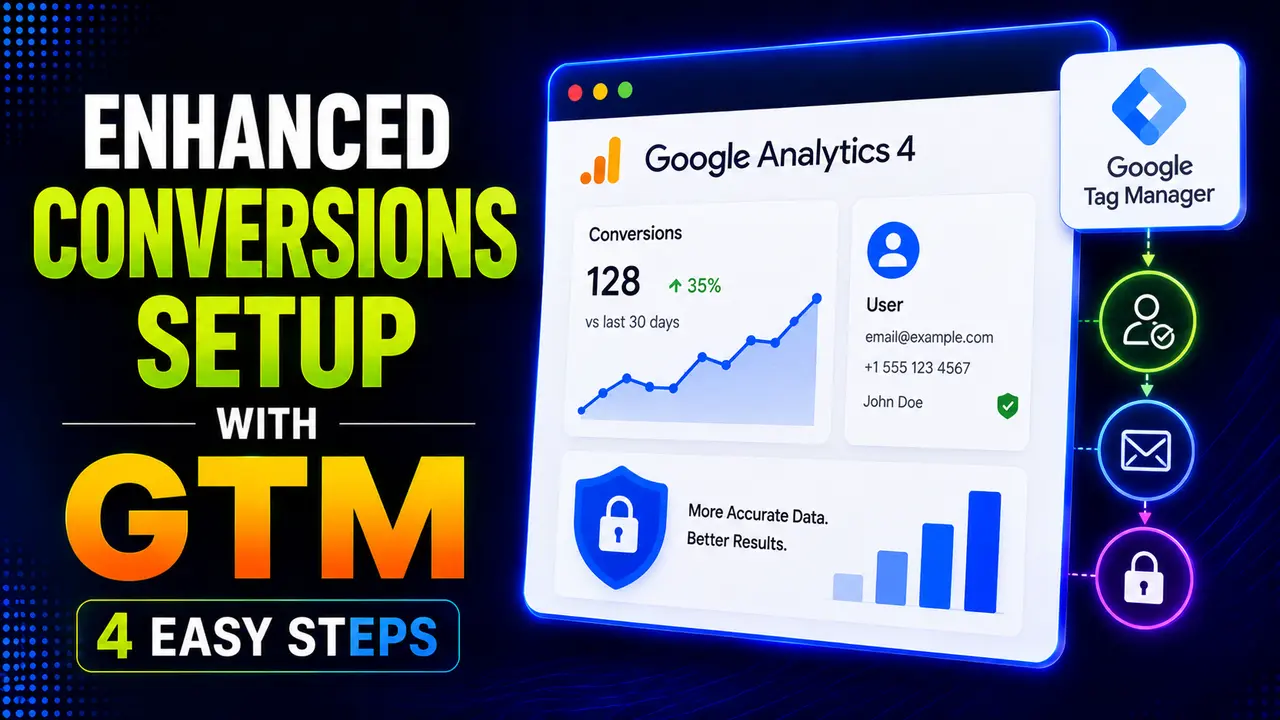
Enhanced conversions setup depends on a few quiet mechanical details: normalization, hashing once (not twice), command order, and the right consent signal. Here's each one proven with real code.
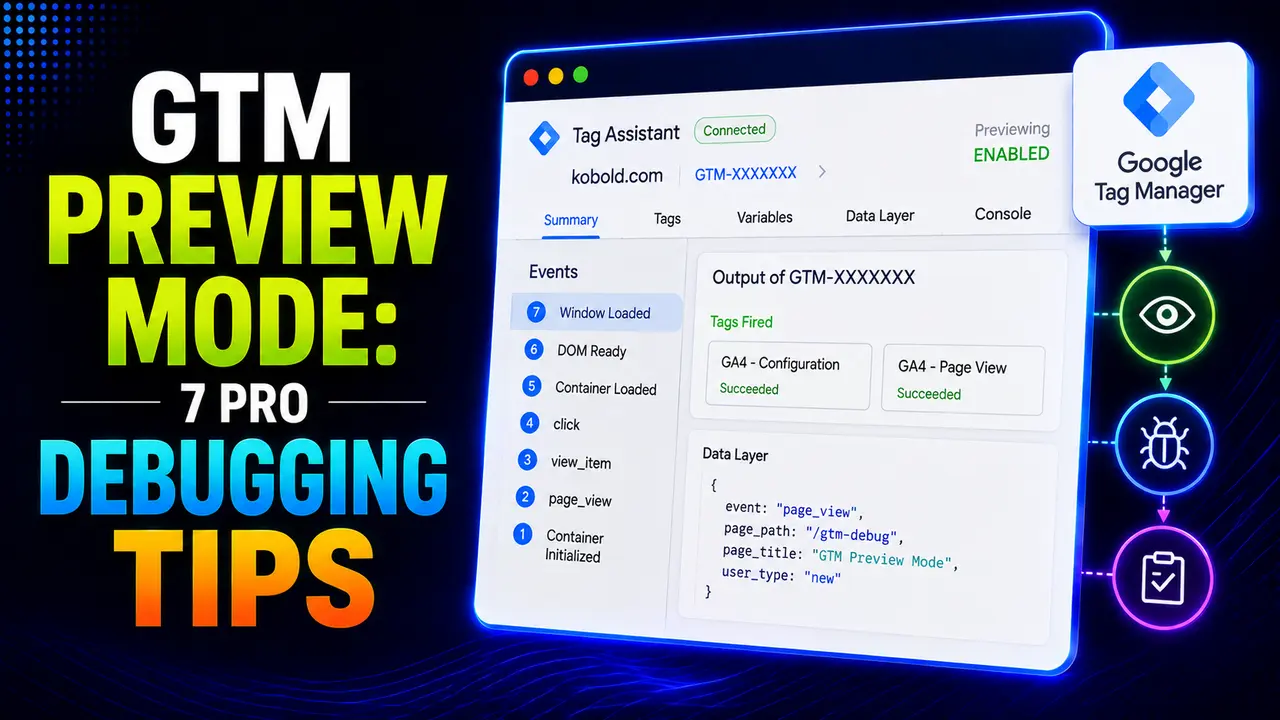
Most GTM preview mode confusion isn't a bug, it's reading the debugger wrong. Here's the event timeline mistake, the case-sensitivity trap, and the connection gotchas, each proven with real code.
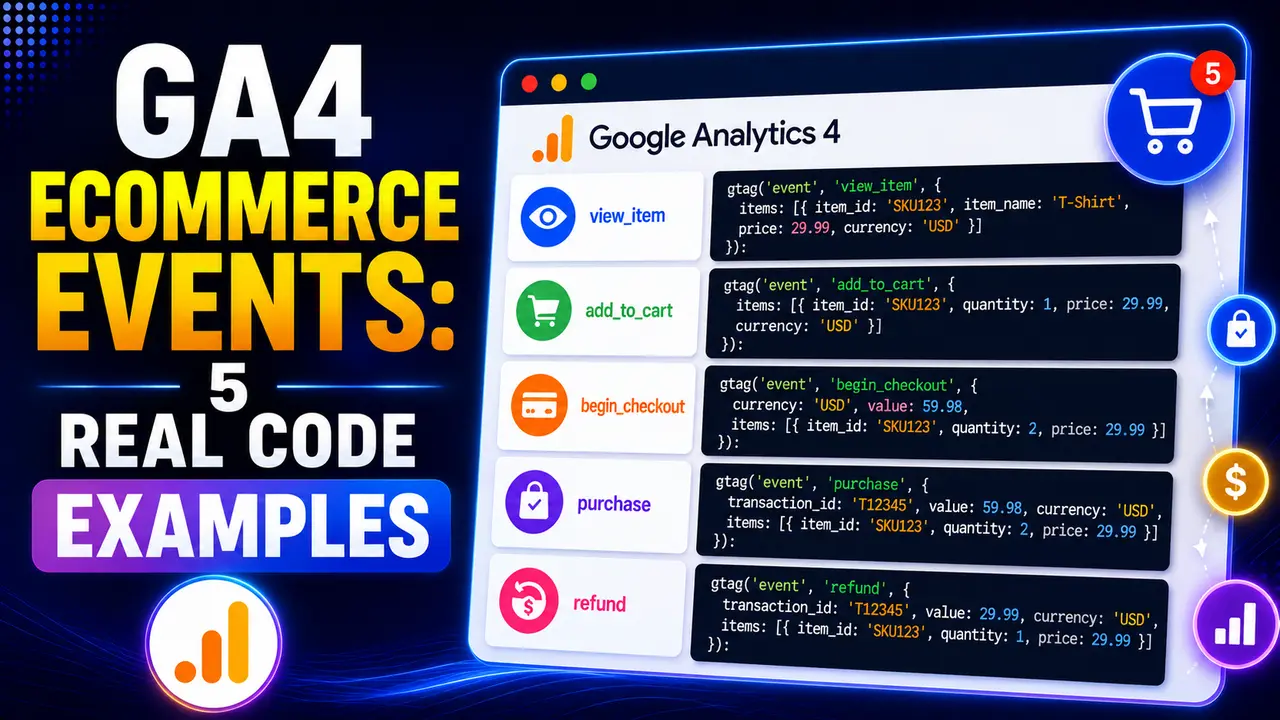
GA4 ecommerce events all share the same real shape, but small mechanical mistakes, string values, missing currency, an uncleared ecommerce object, quietly break revenue reporting. Here's each one proven with real code.
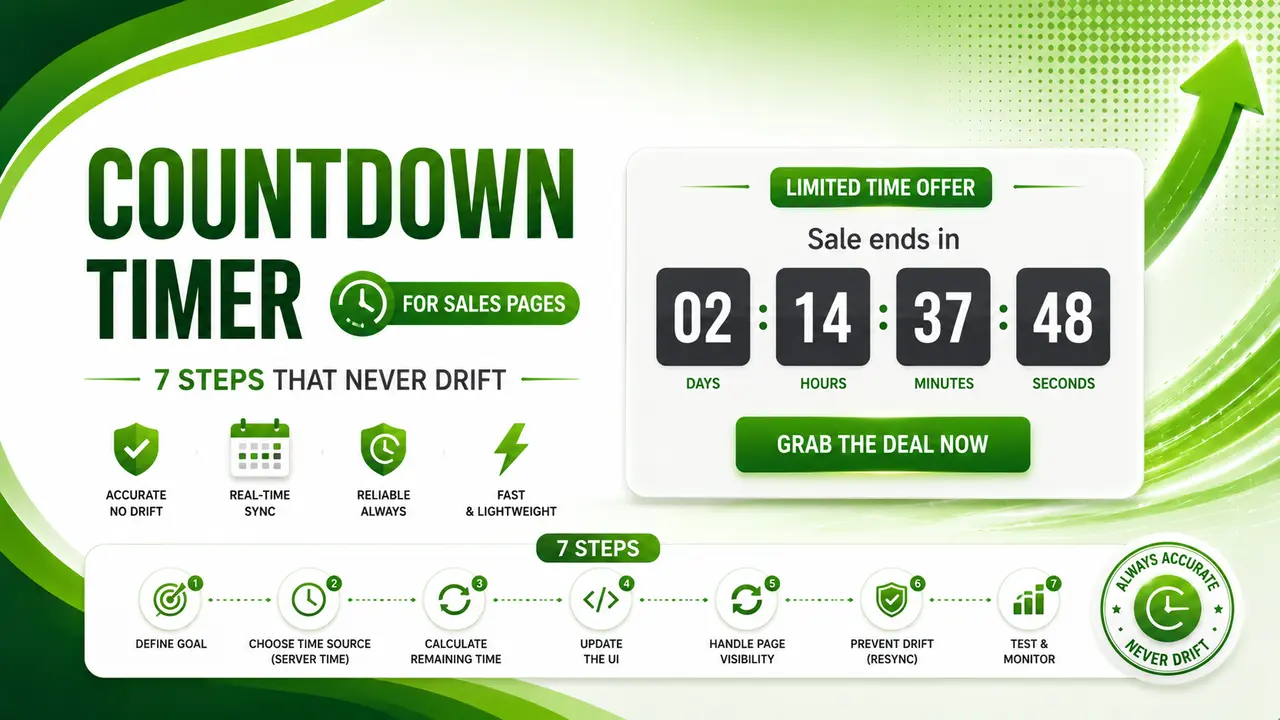
A step by step guide to a countdown timer that recalculates from a fixed target instead of decrementing a counter, backed by real Node and Chromium proof that it survives a busy main thread and expires at the exact right moment.

A step by step guide to a signup form validated with pure JavaScript functions, a debounced live email check, and ARIA accessible errors, backed by real Node and Chromium proof that invalid submits are blocked and valid ones succeed.

A step by step guide to a bottom pinned Add to Cart bar that appears once the primary button scrolls out of view, backed by a real duplicate click guard and a real Chromium proof of the show and hide behavior.