
- Home
- SEODiscover the latest updates from across the United States, including politics, culture, economy, and trending stories. Stay informed on the key events shaping the nation and the topics everyone’s talking about.
- Technical SEOLearn technical SEO concepts including crawling, indexing, XML sitemaps, robots.txt, canonical tags, site architecture, and website performance.
- Local SEOOptimize your business for local seo with Google Business Profile, local citations, reviews, maps, and location-based SEO.
- Mobile SEOImprove your website’s mobile seo performance with responsive design, mobile-first indexing, usability, and page speed optimization.
- On-Page SEOExplore on-page seo optimization techniques such as title tags, meta descriptions, headings, URLs, internal linking, and content optimization.
- Off-Page SEODiscover off-page SEO strategies such as backlinks, digital PR, brand mentions, outreach, and authority building.
- SEO ToolsExplore the best SEO tools for keyword research, technical audits, backlink analysis, rank tracking, and website optimization.
- Core Web VitalsLearn how to improve Core Web Vitals including LCP, INP, CLS, page speed, and overall user experience for better rankings.
- Keyword ResearchLearn how to find profitable keywords, analyze search intent, evaluate competition, and build effective keyword strategies.
- Link BuildingMaster ethical link building techniques, backlink analysis, outreach methods, guest posting, and authority growth strategies.
- Google Search ConsoleLearn how to use Google Search Console to monitor indexing, fix errors, analyze search performance, and improve SEO.
- SEO BasicsLearn the fundamentals of search engine optimization (SEO Basics), including how search engines work, SEO terminology, and beginner-friendly best practices.
- Paid Media
- Display AdvertisingLearn display advertising strategies, banner ads, audience targeting, remarketing, Google Display campaigns, and optimization techniques.
- Google AdsLearn Google Ads strategies, campaign setup, bidding, keywords, Performance Max, Search Ads, and optimization techniques.
- LinkedIn AdsLearn LinkedIn Ads strategies for B2B marketing, lead generation, audience targeting, campaign optimization, and paid social advertising.
- Meta AdsLearn Meta Ads strategies for Facebook and Instagram, including campaign setup, targeting, retargeting, and performance optimization.
- Paid Media AnalyticsLearn paid media analytics, including CPC, CTR, CPA, ROAS, conversion tracking, attribution, reporting, and campaign performance analysis.
- PPC StrategyLearn effective PPC strategies, campaign planning, bidding, keyword targeting, landing pages, conversion optimization, and more.
- ContentTransform your living spaces with inspiration, tips, and trends in interior design. From minimalist decor to bold statements, find ideas for every style and budget.
- Social
- Digital MarketingExplore stories and advice on living your best life. From personal growth to entertainment, dive into the latest in lifestyle trends and inspiration.
- Artificial IntelligenceStay informed about health and wellness with expert advice, fitness tips, and the latest medical breakthroughs. Your guide to a healthier and happier life.
- DevelopmentYou will find development related educational articles
- GTMLearn Google Tag Manager (GTM) with practical guides for tags, triggers, variables, tracking, conversions, and website analytics implementation.
- HTMLLearn HTML with simple tutorials, examples, tags, elements, attributes, and best practices for building modern web pages.
- HTML CSSLearn HTML CSS together with practical tutorials, examples, layouts, styling techniques, responsive design, and modern web development practices.
- HTML JSLearn HTML JS – JavaScript with practical tutorials and examples for adding interactivity, dynamic content, events, and functionality to web pages.
- JavaScriptExplore JavaScript tutorials, examples, concepts, and practical techniques for creating interactive and dynamic websites and web applications.
- PHPLearn PHP programming with practical tutorials, examples, functions, syntax, and web development techniques for beginners and developers.
- PythonLearn Python programming with practical tutorials, examples, syntax, functions, automation techniques, and useful programming concepts.
- Home
- SEODiscover the latest updates from across the United States, including politics, culture, economy, and trending stories. Stay informed on the key events shaping the nation and the topics everyone’s talking about.
- Technical SEOLearn technical SEO concepts including crawling, indexing, XML sitemaps, robots.txt, canonical tags, site architecture, and website performance.
- Local SEOOptimize your business for local seo with Google Business Profile, local citations, reviews, maps, and location-based SEO.
- Mobile SEOImprove your website’s mobile seo performance with responsive design, mobile-first indexing, usability, and page speed optimization.
- On-Page SEOExplore on-page seo optimization techniques such as title tags, meta descriptions, headings, URLs, internal linking, and content optimization.
- Off-Page SEODiscover off-page SEO strategies such as backlinks, digital PR, brand mentions, outreach, and authority building.
- SEO ToolsExplore the best SEO tools for keyword research, technical audits, backlink analysis, rank tracking, and website optimization.
- Core Web VitalsLearn how to improve Core Web Vitals including LCP, INP, CLS, page speed, and overall user experience for better rankings.
- Keyword ResearchLearn how to find profitable keywords, analyze search intent, evaluate competition, and build effective keyword strategies.
- Link BuildingMaster ethical link building techniques, backlink analysis, outreach methods, guest posting, and authority growth strategies.
- Google Search ConsoleLearn how to use Google Search Console to monitor indexing, fix errors, analyze search performance, and improve SEO.
- SEO BasicsLearn the fundamentals of search engine optimization (SEO Basics), including how search engines work, SEO terminology, and beginner-friendly best practices.
- Paid Media
- Display AdvertisingLearn display advertising strategies, banner ads, audience targeting, remarketing, Google Display campaigns, and optimization techniques.
- Google AdsLearn Google Ads strategies, campaign setup, bidding, keywords, Performance Max, Search Ads, and optimization techniques.
- LinkedIn AdsLearn LinkedIn Ads strategies for B2B marketing, lead generation, audience targeting, campaign optimization, and paid social advertising.
- Meta AdsLearn Meta Ads strategies for Facebook and Instagram, including campaign setup, targeting, retargeting, and performance optimization.
- Paid Media AnalyticsLearn paid media analytics, including CPC, CTR, CPA, ROAS, conversion tracking, attribution, reporting, and campaign performance analysis.
- PPC StrategyLearn effective PPC strategies, campaign planning, bidding, keyword targeting, landing pages, conversion optimization, and more.
- ContentTransform your living spaces with inspiration, tips, and trends in interior design. From minimalist decor to bold statements, find ideas for every style and budget.
- Social
- Digital MarketingExplore stories and advice on living your best life. From personal growth to entertainment, dive into the latest in lifestyle trends and inspiration.
- Artificial IntelligenceStay informed about health and wellness with expert advice, fitness tips, and the latest medical breakthroughs. Your guide to a healthier and happier life.
- DevelopmentYou will find development related educational articles
- GTMLearn Google Tag Manager (GTM) with practical guides for tags, triggers, variables, tracking, conversions, and website analytics implementation.
- HTMLLearn HTML with simple tutorials, examples, tags, elements, attributes, and best practices for building modern web pages.
- HTML CSSLearn HTML CSS together with practical tutorials, examples, layouts, styling techniques, responsive design, and modern web development practices.
- HTML JSLearn HTML JS – JavaScript with practical tutorials and examples for adding interactivity, dynamic content, events, and functionality to web pages.
- JavaScriptExplore JavaScript tutorials, examples, concepts, and practical techniques for creating interactive and dynamic websites and web applications.
- PHPLearn PHP programming with practical tutorials, examples, functions, syntax, and web development techniques for beginners and developers.
- PythonLearn Python programming with practical tutorials, examples, syntax, functions, automation techniques, and useful programming concepts.
Now Reading: Link Equity Explained: How Authority Flows Through Your Website
-
01
Link Equity Explained: How Authority Flows Through Your Website
- Home//
- SEO//Discover the latest updates from across the United States, including politics, culture, economy, and trending stories. Stay informed on the key events shaping the nation and the topics everyone’s talking about.
- Technical SEO//Learn technical SEO concepts including crawling, indexing, XML sitemaps, robots.txt, canonical tags, site architecture, and website performance.
- Local SEO//Optimize your business for local seo with Google Business Profile, local citations, reviews, maps, and location-based SEO.
- Mobile SEO//Improve your website’s mobile seo performance with responsive design, mobile-first indexing, usability, and page speed optimization.
- On-Page SEO//Explore on-page seo optimization techniques such as title tags, meta descriptions, headings, URLs, internal linking, and content optimization.
- Off-Page SEO//Discover off-page SEO strategies such as backlinks, digital PR, brand mentions, outreach, and authority building.
- SEO Tools//Explore the best SEO tools for keyword research, technical audits, backlink analysis, rank tracking, and website optimization.
- Core Web Vitals//Learn how to improve Core Web Vitals including LCP, INP, CLS, page speed, and overall user experience for better rankings.
- Keyword Research//Learn how to find profitable keywords, analyze search intent, evaluate competition, and build effective keyword strategies.
- Link Building//Master ethical link building techniques, backlink analysis, outreach methods, guest posting, and authority growth strategies.
- Google Search Console//Learn how to use Google Search Console to monitor indexing, fix errors, analyze search performance, and improve SEO.
- SEO Basics//Learn the fundamentals of search engine optimization (SEO Basics), including how search engines work, SEO terminology, and beginner-friendly best practices.
- Paid Media//
- Display Advertising//Learn display advertising strategies, banner ads, audience targeting, remarketing, Google Display campaigns, and optimization techniques.
- Google Ads//Learn Google Ads strategies, campaign setup, bidding, keywords, Performance Max, Search Ads, and optimization techniques.
- LinkedIn Ads//Learn LinkedIn Ads strategies for B2B marketing, lead generation, audience targeting, campaign optimization, and paid social advertising.
- Meta Ads//Learn Meta Ads strategies for Facebook and Instagram, including campaign setup, targeting, retargeting, and performance optimization.
- Paid Media Analytics//Learn paid media analytics, including CPC, CTR, CPA, ROAS, conversion tracking, attribution, reporting, and campaign performance analysis.
- PPC Strategy//Learn effective PPC strategies, campaign planning, bidding, keyword targeting, landing pages, conversion optimization, and more.
- Content//Transform your living spaces with inspiration, tips, and trends in interior design. From minimalist decor to bold statements, find ideas for every style and budget.
- Social//
- Digital Marketing//Explore stories and advice on living your best life. From personal growth to entertainment, dive into the latest in lifestyle trends and inspiration.
- Artificial Intelligence//Stay informed about health and wellness with expert advice, fitness tips, and the latest medical breakthroughs. Your guide to a healthier and happier life.
- Development//You will find development related educational articles
- GTM//Learn Google Tag Manager (GTM) with practical guides for tags, triggers, variables, tracking, conversions, and website analytics implementation.
- HTML//Learn HTML with simple tutorials, examples, tags, elements, attributes, and best practices for building modern web pages.
- HTML CSS//Learn HTML CSS together with practical tutorials, examples, layouts, styling techniques, responsive design, and modern web development practices.
- HTML JS//Learn HTML JS – JavaScript with practical tutorials and examples for adding interactivity, dynamic content, events, and functionality to web pages.
- JavaScript//Explore JavaScript tutorials, examples, concepts, and practical techniques for creating interactive and dynamic websites and web applications.
- PHP//Learn PHP programming with practical tutorials, examples, functions, syntax, and web development techniques for beginners and developers.
- Python//Learn Python programming with practical tutorials, examples, syntax, functions, automation techniques, and useful programming concepts.
Link Equity Explained: How Authority Flows Through Your Website

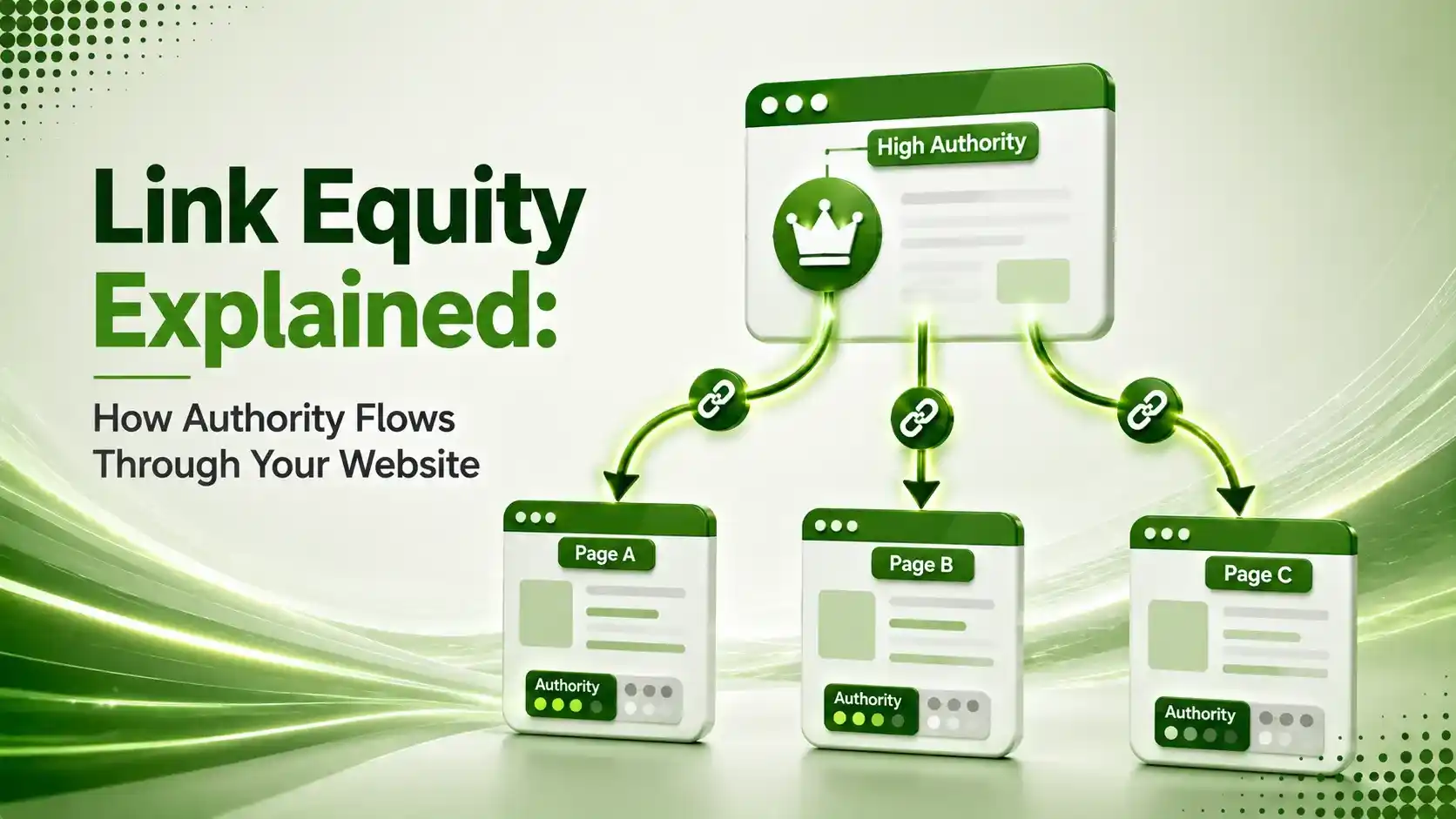
Link equity explained simply: the authority that flows through every hyperlink on your site, and the leaks broken links, redirect chains quietly wasting it.
Table of Contents
ToggleLink equity explained simply: it's the authority that passes from one page to another every time a hyperlink connects them, and it's still the mechanism deciding which of your pages Google trusts enough to rank. The concept traces back to Google's original PageRank algorithm, published by Larry Page and Sergey Brin in 1998, and the core idea hasn't changed since.
Picture a page as a jug of water. Every link on that page pours out a portion of what it holds. The more links crowded onto the page, the smaller each individual pour becomes. DomCop's explainer uses that exact analogy for how this authority distributes, and it explains a surprising number of ranking mysteries once you actually see it.
Link equity flows through both external backlinks and internal links, but most site owners only think about the external half. Internal linking is where you actually control the flow, and poor internal structure can waste authority that expensive backlinks worked hard to earn.
This guide breaks down how link equity moves through a site, what determines how much of it a given link passes, and the specific leaks that quietly waste authority most sites never notice.
01What Link Equity Actually Is
Rhino Rank's 2026 guide defines it precisely: link equity is the authority, trust, and ranking power that passes from one page to another through a hyperlink. When Page A links to Page B, a portion of Page A's accumulated value transfers to Page B, and search engines treat that as a vote of confidence.
The informal term "link juice" showed up as SEO shorthand in the early 2000s, and it stuck because it describes the mechanism well, authority flows through links the way liquid flows through pipes. Link equity is the cleaner, more technical term most SEO teams use for the same idea today.
02How Link Equity Flows Through Internal Links
SEOShouts' breakdown of internal flow patterns lays out the dilution principle clearly: equity divides among all dofollow outgoing links on a source page. A page with 5 outgoing links gives each destination roughly 20% of its equity. A page with 50 outgoing links gives each destination roughly 2%.
That single mechanic explains why a Zyppy study of 23 million links found traffic peaking at 45 to 50 links per page, SEOShouts' analysis notes. Beyond that threshold, each individual link passes so little equity it barely registers for the destination page.
Cloud22's walkthrough of the concept puts it well: a page that receives external backlinks and then links to other internal pages can amplify authority across your entire site structure. Category pages, product pages, and pillar content often rank well precisely because they sit at the center of many internal pathways.
03What Determines How Much Equity a Link Passes
Pielab's guide identifies the factor most people overlook first: not all links pass value the same way. Links from authoritative, topically relevant websites typically transfer more equity than links from low-quality or unrelated sources.
Link type matters just as much as source quality. Dofollow links pass equity normally, the standard type used in backlink building. Nofollow links, by contrast, instruct search engines not to consider them for ranking purposes, so they don't pass meaningful equity even when they still drive referral traffic, a distinction LinksThatRank's guide emphasizes when auditing which backlinks are actually worth pursuing.
04The Reasonable Surfer Model: Why Placement Matters
SEOShouts' analysis, referenced above, points to a refinement Google made to the original PageRank concept: the Reasonable Surfer model assigns more weight to links users are actually likely to click. A contextual link sitting in the first paragraph of body content passes more equity than an identical link buried in a footer.
ClickRank's PageRank guide reinforces the same principle from a different angle: links placed prominently within main content usually carry more weight than links hidden in sidebars or navigation, since editorial context signals genuine relevance rather than a boilerplate placement.
The dilution principle: fewer, well-chosen outgoing links pass meaningfully more equity to each destination page.
05Watch: Understanding Link Equity for SEO
For a walkthrough of these fundamentals and why the concept remains one of the most influential ranking factors, this explainer covers the mechanics well.
06Common Link Equity Leaks Worth Fixing
SEOShouts' guide, referenced above, calls these equity leaks: pages or links that waste authority instead of routing it productively. Every site has them, and finding the leaks is often faster than building new backlinks to compensate.
Broken internal links are the most common leak. Semrush's analysis of 10 million pages found the average website carries 5 to 15 broken internal links, and each one sends equity into a dead end. The source page still spends one of its link slots on that broken link, reducing what flows to working destinations, while the broken page itself receives nothing useful.
07How 301 Redirects Pass Link Equity
Practical Ecommerce's technical SEO reference traces the history of this specific question: in 2013, Google's then-webspam lead Matt Cutts confirmed 301 redirects pass most PageRank to a destination page, though not necessarily all of it. In 2016, Google's Gary Illyes clarified that 301 and 302 redirects retain all PageRank.
The same reference adds an important caveat worth remembering: Google has repeatedly stated that 301 redirects may pass little to no link equity for anything other than genuine 1:1 URL replacements, like a redesign or a platform migration, rather than arbitrary redirect chains.
08Link Types and How They Handle Equity
Different link mechanisms handle equity in genuinely different ways, which matters when auditing a site's overall structure.
| Link Type | Passes Equity? | Notes |
|---|---|---|
| Dofollow link | Yes | Standard equity-passing link, the default unless marked otherwise |
| Nofollow link | No (by default) | Can still drive referral traffic without passing ranking value |
| 301 redirect | Mostly yes | Retains most or all equity for genuine 1:1 URL replacements |
| Broken internal link | No | Equity vanishes; the link slot is wasted entirely |
| Canonical tag | Consolidates, doesn't transfer | Signals which duplicate version should hold the equity |
09Finding and Fixing Broken Internal Links
Here's a practical command-line approach to surfacing broken internal links, plus the correct redirect pattern to recover the lost equity.
# Crawl a site and export all internal links returning 4xx/5xx
screamingfrogseospider --crawl https://example.com \
  --headless --save-crawl \
  --export-tabs "Internal:All" \
  --output-folder ./audit

# Then filter the export for Status Code >= 400
# Each broken URL found is a link equity leak
# Redirect a broken/removed page to its closest live equivalent
Redirect 301 /old-broken-page/ https://example.com/closest-live-page/

# Avoid redirect chains: point directly to the FINAL destination,
# not to another redirect. Each hop in a chain can dilute equity.
10Best Practices Checklist to Preserve Authority
A disciplined approach to preserving and directing this authority beats hoping it distributes itself well.
Audit for broken internal links regularly, each one is a silent equity leak that's often faster to fix than earning a new backlink.
Keep outgoing links per page reasonable, staying well under the 45-50 range where each link's equity share starts to matter little.
Place important links in body content, not footers or sidebars, since Google's Reasonable Surfer model weights click-likely placements higher.
Link deliberately from high-authority pages to the pages you most want to rank, rather than distributing links evenly.
Avoid redirect chains, point 301s directly at the final destination URL to minimize equity loss along the way.
11Priority Workflow Stepper
Five steps cover a practical optimization workflow. Tap each one for the specific action.
Audit for Broken Links
Crawl your site and identify every internal link returning a 4xx or 5xx status. Each one is wasted equity.
12Link Equity Health Score
Score your site against the factors that determine how efficiently authority flows through it.
Authority Flow Health Score
Select the option that matches your current site setup
13FAQs on Link Equity
The authority and ranking value that passes from one page to another through a hyperlink, sometimes called "link juice." It's the mechanism behind why backlinks influence rankings.
No. The page keeps its own authority, but the equity it can pass gets divided among all the pages it links to, so more outgoing links means less equity per link.
By default, no. Nofollow links instruct search engines not to consider them for ranking purposes, though they can still drive referral traffic.
Mostly, for genuine 1:1 URL replacements. Google has confirmed redirects retain most or all PageRank in that scenario, though redirect chains can dilute it further.
A large-scale study found traffic peaking around 45 to 50 links per page. Beyond that, each additional link's equity share becomes negligible.
Related Articles
What We Learn Today
Link equity traces back to Google's original 1998 PageRank algorithm
Equity divides among all outgoing dofollow links on a page
Link placement in body content passes more equity than footers
Broken internal links are silent, common equity leaks
301 redirects retain most equity for genuine 1:1 replacements
Traffic peaks around 45-50 links per page before dilution sets in
Build a Complete Off-Page SEO Foundation
Link equity works hand in hand with anchor text and backlink strategy. Explore our anchor text and competitor backlink guides next.
Related Posts
Previous Post
Next Post
Previous Post
Next Post


- Artificial Intelligence
- Content
- Core Web Vitals
- Development
- Digital Marketing
- Display Advertising
- Google Ads
- Google Search Console
- GTM
- HTML
- HTML CSS
- JavaScript
- Keyword Research
- Link Building
- LinkedIn Ads
- Local SEO
- Meta Ads
- Mobile SEO
- Off-Page SEO
- On-Page SEO
- Paid Media
- Paid Media Analytics
- PHP
- PPC Strategy
- Python
- SEO
- SEO Basics
- SEO Tools
- Social
- Technical SEO