
- Home
- SEODiscover the latest updates from across the United States, including politics, culture, economy, and trending stories. Stay informed on the key events shaping the nation and the topics everyone’s talking about.
- Technical SEOLearn technical SEO concepts including crawling, indexing, XML sitemaps, robots.txt, canonical tags, site architecture, and website performance.
- Local SEOOptimize your business for local seo with Google Business Profile, local citations, reviews, maps, and location-based SEO.
- Mobile SEOImprove your website’s mobile seo performance with responsive design, mobile-first indexing, usability, and page speed optimization.
- On-Page SEOExplore on-page seo optimization techniques such as title tags, meta descriptions, headings, URLs, internal linking, and content optimization.
- Off-Page SEODiscover off-page SEO strategies such as backlinks, digital PR, brand mentions, outreach, and authority building.
- SEO ToolsExplore the best SEO tools for keyword research, technical audits, backlink analysis, rank tracking, and website optimization.
- Core Web VitalsLearn how to improve Core Web Vitals including LCP, INP, CLS, page speed, and overall user experience for better rankings.
- Keyword ResearchLearn how to find profitable keywords, analyze search intent, evaluate competition, and build effective keyword strategies.
- Link BuildingMaster ethical link building techniques, backlink analysis, outreach methods, guest posting, and authority growth strategies.
- Google Search ConsoleLearn how to use Google Search Console to monitor indexing, fix errors, analyze search performance, and improve SEO.
- SEO BasicsLearn the fundamentals of search engine optimization (SEO Basics), including how search engines work, SEO terminology, and beginner-friendly best practices.
- Paid Media
- Display AdvertisingLearn display advertising strategies, banner ads, audience targeting, remarketing, Google Display campaigns, and optimization techniques.
- Google AdsLearn Google Ads strategies, campaign setup, bidding, keywords, Performance Max, Search Ads, and optimization techniques.
- LinkedIn AdsLearn LinkedIn Ads strategies for B2B marketing, lead generation, audience targeting, campaign optimization, and paid social advertising.
- Meta AdsLearn Meta Ads strategies for Facebook and Instagram, including campaign setup, targeting, retargeting, and performance optimization.
- Paid Media AnalyticsLearn paid media analytics, including CPC, CTR, CPA, ROAS, conversion tracking, attribution, reporting, and campaign performance analysis.
- PPC StrategyLearn effective PPC strategies, campaign planning, bidding, keyword targeting, landing pages, conversion optimization, and more.
- ContentTransform your living spaces with inspiration, tips, and trends in interior design. From minimalist decor to bold statements, find ideas for every style and budget.
- Social
- Digital MarketingExplore stories and advice on living your best life. From personal growth to entertainment, dive into the latest in lifestyle trends and inspiration.
- Artificial IntelligenceStay informed about health and wellness with expert advice, fitness tips, and the latest medical breakthroughs. Your guide to a healthier and happier life.
- DevelopmentYou will find development related educational articles
- GTMLearn Google Tag Manager (GTM) with practical guides for tags, triggers, variables, tracking, conversions, and website analytics implementation.
- HTMLLearn HTML with simple tutorials, examples, tags, elements, attributes, and best practices for building modern web pages.
- HTML CSSLearn HTML CSS together with practical tutorials, examples, layouts, styling techniques, responsive design, and modern web development practices.
- HTML JSLearn HTML JS – JavaScript with practical tutorials and examples for adding interactivity, dynamic content, events, and functionality to web pages.
- JavaScriptExplore JavaScript tutorials, examples, concepts, and practical techniques for creating interactive and dynamic websites and web applications.
- PHPLearn PHP programming with practical tutorials, examples, functions, syntax, and web development techniques for beginners and developers.
- PythonLearn Python programming with practical tutorials, examples, syntax, functions, automation techniques, and useful programming concepts.
- Home
- SEODiscover the latest updates from across the United States, including politics, culture, economy, and trending stories. Stay informed on the key events shaping the nation and the topics everyone’s talking about.
- Technical SEOLearn technical SEO concepts including crawling, indexing, XML sitemaps, robots.txt, canonical tags, site architecture, and website performance.
- Local SEOOptimize your business for local seo with Google Business Profile, local citations, reviews, maps, and location-based SEO.
- Mobile SEOImprove your website’s mobile seo performance with responsive design, mobile-first indexing, usability, and page speed optimization.
- On-Page SEOExplore on-page seo optimization techniques such as title tags, meta descriptions, headings, URLs, internal linking, and content optimization.
- Off-Page SEODiscover off-page SEO strategies such as backlinks, digital PR, brand mentions, outreach, and authority building.
- SEO ToolsExplore the best SEO tools for keyword research, technical audits, backlink analysis, rank tracking, and website optimization.
- Core Web VitalsLearn how to improve Core Web Vitals including LCP, INP, CLS, page speed, and overall user experience for better rankings.
- Keyword ResearchLearn how to find profitable keywords, analyze search intent, evaluate competition, and build effective keyword strategies.
- Link BuildingMaster ethical link building techniques, backlink analysis, outreach methods, guest posting, and authority growth strategies.
- Google Search ConsoleLearn how to use Google Search Console to monitor indexing, fix errors, analyze search performance, and improve SEO.
- SEO BasicsLearn the fundamentals of search engine optimization (SEO Basics), including how search engines work, SEO terminology, and beginner-friendly best practices.
- Paid Media
- Display AdvertisingLearn display advertising strategies, banner ads, audience targeting, remarketing, Google Display campaigns, and optimization techniques.
- Google AdsLearn Google Ads strategies, campaign setup, bidding, keywords, Performance Max, Search Ads, and optimization techniques.
- LinkedIn AdsLearn LinkedIn Ads strategies for B2B marketing, lead generation, audience targeting, campaign optimization, and paid social advertising.
- Meta AdsLearn Meta Ads strategies for Facebook and Instagram, including campaign setup, targeting, retargeting, and performance optimization.
- Paid Media AnalyticsLearn paid media analytics, including CPC, CTR, CPA, ROAS, conversion tracking, attribution, reporting, and campaign performance analysis.
- PPC StrategyLearn effective PPC strategies, campaign planning, bidding, keyword targeting, landing pages, conversion optimization, and more.
- ContentTransform your living spaces with inspiration, tips, and trends in interior design. From minimalist decor to bold statements, find ideas for every style and budget.
- Social
- Digital MarketingExplore stories and advice on living your best life. From personal growth to entertainment, dive into the latest in lifestyle trends and inspiration.
- Artificial IntelligenceStay informed about health and wellness with expert advice, fitness tips, and the latest medical breakthroughs. Your guide to a healthier and happier life.
- DevelopmentYou will find development related educational articles
- GTMLearn Google Tag Manager (GTM) with practical guides for tags, triggers, variables, tracking, conversions, and website analytics implementation.
- HTMLLearn HTML with simple tutorials, examples, tags, elements, attributes, and best practices for building modern web pages.
- HTML CSSLearn HTML CSS together with practical tutorials, examples, layouts, styling techniques, responsive design, and modern web development practices.
- HTML JSLearn HTML JS – JavaScript with practical tutorials and examples for adding interactivity, dynamic content, events, and functionality to web pages.
- JavaScriptExplore JavaScript tutorials, examples, concepts, and practical techniques for creating interactive and dynamic websites and web applications.
- PHPLearn PHP programming with practical tutorials, examples, functions, syntax, and web development techniques for beginners and developers.
- PythonLearn Python programming with practical tutorials, examples, syntax, functions, automation techniques, and useful programming concepts.
Now Reading: How to Identify and Remove Toxic Backlinks Safely: The Complete 2026 Guide
-
01
How to Identify and Remove Toxic Backlinks Safely: The Complete 2026 Guide
- Home//
- SEO//Discover the latest updates from across the United States, including politics, culture, economy, and trending stories. Stay informed on the key events shaping the nation and the topics everyone’s talking about.
- Technical SEO//Learn technical SEO concepts including crawling, indexing, XML sitemaps, robots.txt, canonical tags, site architecture, and website performance.
- Local SEO//Optimize your business for local seo with Google Business Profile, local citations, reviews, maps, and location-based SEO.
- Mobile SEO//Improve your website’s mobile seo performance with responsive design, mobile-first indexing, usability, and page speed optimization.
- On-Page SEO//Explore on-page seo optimization techniques such as title tags, meta descriptions, headings, URLs, internal linking, and content optimization.
- Off-Page SEO//Discover off-page SEO strategies such as backlinks, digital PR, brand mentions, outreach, and authority building.
- SEO Tools//Explore the best SEO tools for keyword research, technical audits, backlink analysis, rank tracking, and website optimization.
- Core Web Vitals//Learn how to improve Core Web Vitals including LCP, INP, CLS, page speed, and overall user experience for better rankings.
- Keyword Research//Learn how to find profitable keywords, analyze search intent, evaluate competition, and build effective keyword strategies.
- Link Building//Master ethical link building techniques, backlink analysis, outreach methods, guest posting, and authority growth strategies.
- Google Search Console//Learn how to use Google Search Console to monitor indexing, fix errors, analyze search performance, and improve SEO.
- SEO Basics//Learn the fundamentals of search engine optimization (SEO Basics), including how search engines work, SEO terminology, and beginner-friendly best practices.
- Paid Media//
- Display Advertising//Learn display advertising strategies, banner ads, audience targeting, remarketing, Google Display campaigns, and optimization techniques.
- Google Ads//Learn Google Ads strategies, campaign setup, bidding, keywords, Performance Max, Search Ads, and optimization techniques.
- LinkedIn Ads//Learn LinkedIn Ads strategies for B2B marketing, lead generation, audience targeting, campaign optimization, and paid social advertising.
- Meta Ads//Learn Meta Ads strategies for Facebook and Instagram, including campaign setup, targeting, retargeting, and performance optimization.
- Paid Media Analytics//Learn paid media analytics, including CPC, CTR, CPA, ROAS, conversion tracking, attribution, reporting, and campaign performance analysis.
- PPC Strategy//Learn effective PPC strategies, campaign planning, bidding, keyword targeting, landing pages, conversion optimization, and more.
- Content//Transform your living spaces with inspiration, tips, and trends in interior design. From minimalist decor to bold statements, find ideas for every style and budget.
- Social//
- Digital Marketing//Explore stories and advice on living your best life. From personal growth to entertainment, dive into the latest in lifestyle trends and inspiration.
- Artificial Intelligence//Stay informed about health and wellness with expert advice, fitness tips, and the latest medical breakthroughs. Your guide to a healthier and happier life.
- Development//You will find development related educational articles
- GTM//Learn Google Tag Manager (GTM) with practical guides for tags, triggers, variables, tracking, conversions, and website analytics implementation.
- HTML//Learn HTML with simple tutorials, examples, tags, elements, attributes, and best practices for building modern web pages.
- HTML CSS//Learn HTML CSS together with practical tutorials, examples, layouts, styling techniques, responsive design, and modern web development practices.
- HTML JS//Learn HTML JS – JavaScript with practical tutorials and examples for adding interactivity, dynamic content, events, and functionality to web pages.
- JavaScript//Explore JavaScript tutorials, examples, concepts, and practical techniques for creating interactive and dynamic websites and web applications.
- PHP//Learn PHP programming with practical tutorials, examples, functions, syntax, and web development techniques for beginners and developers.
- Python//Learn Python programming with practical tutorials, examples, syntax, functions, automation techniques, and useful programming concepts.
How to Identify and Remove Toxic Backlinks Safely: The Complete 2026 Guide

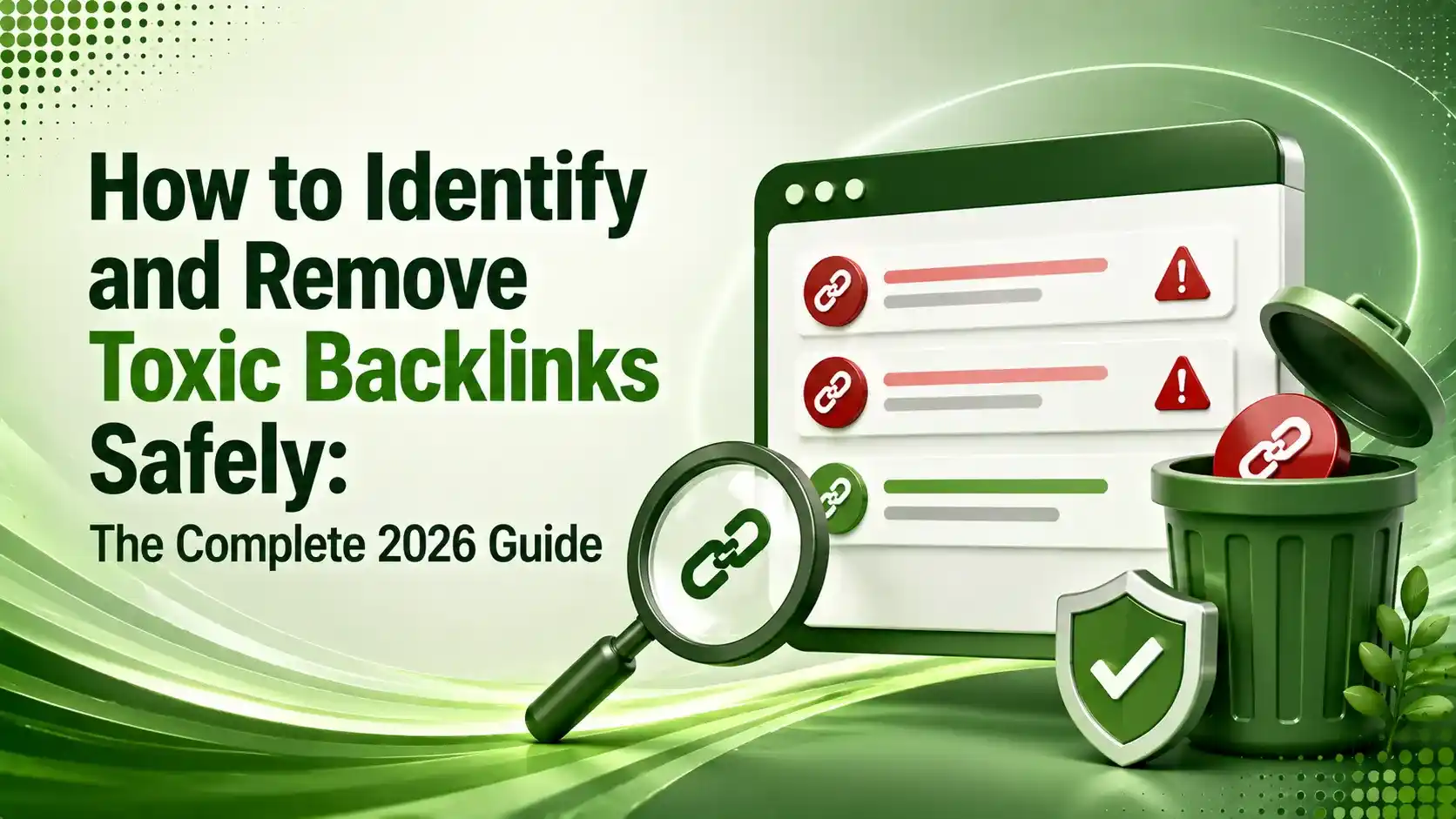
Most toxic backlinks don't need action at all. Here's how to tell real risk from noise, and the safe removal sequence that avoids doing more harm than good.
Table of Contents
ToggleToxic backlinks are inbound links from spammy, manipulative, or irrelevant sites that can drag rankings down and trigger a Google manual action. The tricky part isn't finding them, most backlink tools flag hundreds. The tricky part is knowing which flagged links actually deserve action, and which ones Google is already quietly ignoring on its own.
Most site owners jump straight to the disavow tool the moment a scary-looking toxic backlinks report appears. That instinct is usually wrong. Google is generally good at filtering out low-quality links automatically, and disavowing carelessly can strip value from links that were doing no harm at all.
The real skill is separating genuine risk from noise, then working through removal in the right order: manual outreach first, disavow only as a last resort backed by actual evidence.
This guide walks through how to identify real toxic backlinks, the safest removal sequence, and exactly how to build a disavow file when nothing else has worked.
01What Actually Makes a Backlink Toxic
Startup News' 2026 identification guide defines the category clearly: toxic backlinks typically result from spammy or manipulative practices, link farms, irrelevant directories, purchased links, all of which violate Google's spam policies rather than simply looking unimpressive.
IMark Infotech's 2026 guide adds the specific mechanism worth understanding: a toxicity score is a 0 to 100 metric estimating how harmful a given backlink is, calculated from the referring domain's quality signals. In Semrush's system, scores of 60 to 100 are flagged toxic, 45 to 59 potentially toxic, and 0 to 44 non-toxic.
02Why Most Toxic Backlinks Don't Need Action
Ubersuggest's guide makes an important framing point before anything else: Google is usually good at ignoring bad links on its own. Reviewing, removing, or disavowing becomes necessary mainly when a site has received a manual action or has a history of aggressive link building.
Startup News' guide, referenced above, adds a caution worth internalizing: context plays a role, and a flagged backlink might be acceptable depending on the site's niche and link-building history. Manual review has to complement automated tools, not replace judgment entirely.
Getlinko's disavow guide puts it directly: many toxic-looking links deflate on their own when Google recrawls the web. Without a clear pattern, link farms, PBNs, hacked sites, or an active attack, you might not need to touch the disavow file at all.
03Step 1: Run a Full Toxic Backlinks Audit
W3era's 2026 backlink audit guide lays out the starting workflow: export links from Ahrefs, Semrush, Moz, and Google Search Console, then flag anything carrying a spam score over 30% for closer review.
IL WebDesign's guide notes Search Console's own Links report remains the most authoritative single source, showing top linking sites, top linking text, and top linked pages, a useful baseline even before pulling in third-party toxicity scoring.
04Step 2: Spot the Real Red Flags
W3era's guide, referenced above, lists the patterns worth flagging manually: many weak domains linking with exact-match commercial anchors like "best SEO agency Delhi" looks manipulative, as do old directory submissions, auto-approved listings, and link farm pages built through templates, blogrolls, and widgets.
Links from hacked pages, hidden content, or malware-infected domains deserve the highest priority. Whitebunnie's complete guide treats these as genuine risk categories rather than borderline calls, since they signal active compromise rather than just low quality.
05Step 3: Request Manual Removal First
Linksman's 2026 guide is direct about sequencing: the safest method is asking the website owner to remove the backlink manually, since it completely removes the link rather than simply telling Google to ignore it while the link still exists.
Getpassionfruit's simple guide confirms Google's own stated preference: try to remove toxic backlinks manually first. Only after that effort fails, or clearly can't succeed, does disavowing become the appropriate next move.
06Watch: How to Find and Disavow Toxic Backlinks
For a visual walkthrough of the full identification and disavow process, this explainer covers the workflow end to end.
07Step 4: Build and Submit a Disavow File
Search Engine Land's guide describes the mechanism plainly: a disavow file is a plain text document submitted to Google Search Console listing every domain or URL a site wants Google to ignore in its ranking calculations, not delete, just discount.
weDevs' 2026 walkthrough sets expectations on timing: Google typically takes 2 to 12 weeks to fully recrawl and reprocess the URLs or domains listed in a submitted disavow file, depending on crawl frequency, file size, and the severity of the flagged links.
08Toxicity Score Ranges and Recommended Action
IMark Infotech's scoring breakdown, referenced above, maps cleanly onto a practical action framework most teams can follow directly.
| Toxicity Score | Classification | Recommended Action |
|---|---|---|
| 0-44 | Non-toxic | No action needed; safe to leave alone |
| 45-59 | Potentially toxic | Monitor; manual review before any action |
| 60-100 | Toxic | Prioritize for manual removal, then disavow if needed |
09Removal Request Template and Disavow File Format
Here's a polite, effective removal request template, plus the correct disavow file syntax for Search Console.
Subject: Quick request regarding a link on [Page Title]

Hi there,

I noticed a link to my site, [your URL], on your page here:
[their page URL]

Could you remove or nofollow that link? It no longer reflects
an active relationship, and I'd appreciate it being taken down.

Thanks for your time.

[Your name]
# Disavow file for example.com
# Last reviewed: 2026

# Individual toxic URL
https://spam-site.com/page-123

# Entire domain (use for link farms, PBNs, hacked sites)
domain:link-farm-example.net
domain:another-toxic-domain.com

# One entry per line. Upload as plain .txt via
# Google Search Console's Disavow Links tool.
10Safe Toxic Backlink Removal Checklist
A methodical sequence for handling toxic backlinks protects against both real risk and accidental self-inflicted damage.
Run a full backlink export across multiple tools before drawing conclusions from any single toxicity score.
Manually review every flagged link, automated scores alone produce false positives regularly.
Request removal before disavowing, it's the safest method and Google's own recommended first step.
Reserve disavow for genuine, documented risk, not routine cleanup based on a single tool's opinion.
Re-audit periodically, new toxic links can accumulate from old campaigns, scraped content, or negative SEO attempts.
11Priority Workflow Stepper
Five steps cover a safe removal process for toxic backlinks. Tap each one for the specific action.
Audit the Full Profile
Export backlinks from multiple tools and Search Console. Flag anything with a spam score over 30% for closer review.
12Backlink Toxicity Risk Score
Score a specific suspicious link against the factors that determine genuine risk.
Backlink Toxicity Risk Score
Select the option that matches the link you're evaluating
13FAQs on Toxic Backlinks
Links from link farms, irrelevant directories, purchased placements, hacked sites, or spammy patterns that violate Google's link spam policies rather than simply looking low-quality.
No. Google typically ignores low-quality links automatically. Reserve disavow for genuine risk, PBNs, link farms, or links tied to a manual action.
Contact the site owner and request manual removal first. It fully removes the link rather than just asking Google to ignore it.
Typically 2 to 12 weeks for Google to fully recrawl and process the submitted URLs, depending on crawl frequency and file size.
Yes, if used carelessly. Disavowing links that weren't actually harmful can strip away value those links were providing. Use it as a surgical, evidence-based tool, not routine cleanup.
Related Articles
What We Learn Today
Google already ignores most toxic-looking links on its own
Toxicity scores of 60+ warrant genuine review and action
Manual removal requests come before any disavow attempt
Disavow files take 2-12 weeks for Google to fully process
Careless disavowing can strip value from links that helped you
Hacked sites and PBNs deserve the highest removal priority
Build a Complete Off-Page SEO Foundation
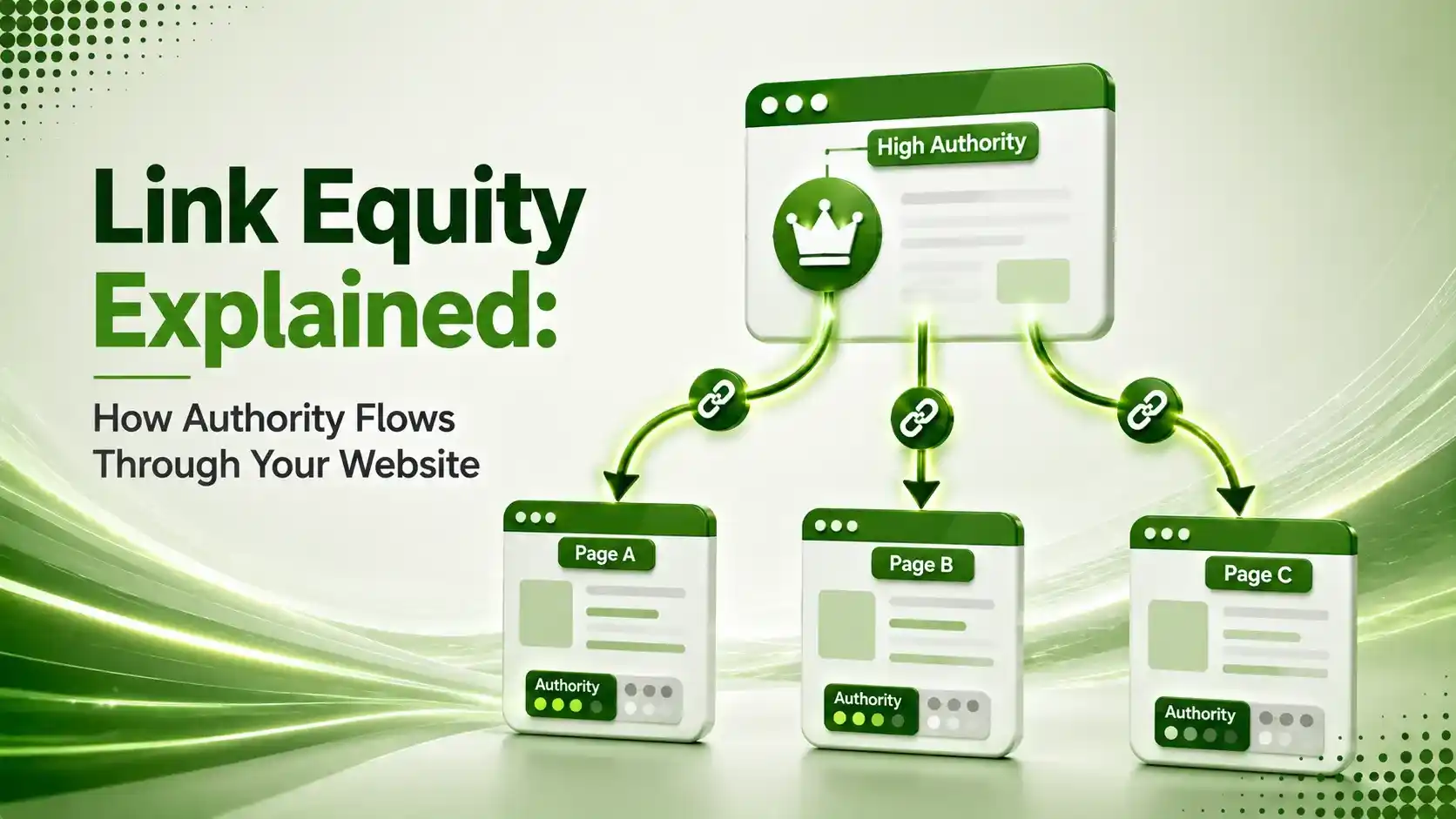
Cleaning up toxic backlinks pairs with a strong backlink monitoring strategy. Explore our negative SEO recovery and link equity guides next.
Related Posts
Previous Post
Next Post
Previous Post

Next Post


- Artificial Intelligence
- Content
- Core Web Vitals
- Development
- Digital Marketing
- Display Advertising
- Google Ads
- Google Search Console
- GTM
- HTML
- HTML CSS
- JavaScript
- Keyword Research
- Link Building
- LinkedIn Ads
- Local SEO
- Meta Ads
- Mobile SEO
- Off-Page SEO
- On-Page SEO
- Paid Media
- Paid Media Analytics
- PHP
- PPC Strategy
- Python
- SEO
- SEO Basics
- SEO Tools
- Social
- Technical SEO