
- Home
- SEODiscover the latest updates from across the United States, including politics, culture, economy, and trending stories. Stay informed on the key events shaping the nation and the topics everyone’s talking about.
- Technical SEOLearn technical SEO concepts including crawling, indexing, XML sitemaps, robots.txt, canonical tags, site architecture, and website performance.
- Local SEOOptimize your business for local seo with Google Business Profile, local citations, reviews, maps, and location-based SEO.
- Mobile SEOImprove your website’s mobile seo performance with responsive design, mobile-first indexing, usability, and page speed optimization.
- On-Page SEOExplore on-page seo optimization techniques such as title tags, meta descriptions, headings, URLs, internal linking, and content optimization.
- Off-Page SEODiscover off-page SEO strategies such as backlinks, digital PR, brand mentions, outreach, and authority building.
- SEO ToolsExplore the best SEO tools for keyword research, technical audits, backlink analysis, rank tracking, and website optimization.
- Core Web VitalsLearn how to improve Core Web Vitals including LCP, INP, CLS, page speed, and overall user experience for better rankings.
- Keyword ResearchLearn how to find profitable keywords, analyze search intent, evaluate competition, and build effective keyword strategies.
- Link BuildingMaster ethical link building techniques, backlink analysis, outreach methods, guest posting, and authority growth strategies.
- Google Search ConsoleLearn how to use Google Search Console to monitor indexing, fix errors, analyze search performance, and improve SEO.
- SEO BasicsLearn the fundamentals of search engine optimization (SEO Basics), including how search engines work, SEO terminology, and beginner-friendly best practices.
- Paid Media
- Display AdvertisingLearn display advertising strategies, banner ads, audience targeting, remarketing, Google Display campaigns, and optimization techniques.
- Google AdsLearn Google Ads strategies, campaign setup, bidding, keywords, Performance Max, Search Ads, and optimization techniques.
- LinkedIn AdsLearn LinkedIn Ads strategies for B2B marketing, lead generation, audience targeting, campaign optimization, and paid social advertising.
- Meta AdsLearn Meta Ads strategies for Facebook and Instagram, including campaign setup, targeting, retargeting, and performance optimization.
- Paid Media AnalyticsLearn paid media analytics, including CPC, CTR, CPA, ROAS, conversion tracking, attribution, reporting, and campaign performance analysis.
- PPC StrategyLearn effective PPC strategies, campaign planning, bidding, keyword targeting, landing pages, conversion optimization, and more.
- ContentTransform your living spaces with inspiration, tips, and trends in interior design. From minimalist decor to bold statements, find ideas for every style and budget.
- Social
- Digital MarketingExplore stories and advice on living your best life. From personal growth to entertainment, dive into the latest in lifestyle trends and inspiration.
- Artificial IntelligenceStay informed about health and wellness with expert advice, fitness tips, and the latest medical breakthroughs. Your guide to a healthier and happier life.
- DevelopmentYou will find development related educational articles
- GTMLearn Google Tag Manager (GTM) with practical guides for tags, triggers, variables, tracking, conversions, and website analytics implementation.
- HTMLLearn HTML with simple tutorials, examples, tags, elements, attributes, and best practices for building modern web pages.
- HTML CSSLearn HTML CSS together with practical tutorials, examples, layouts, styling techniques, responsive design, and modern web development practices.
- HTML JSLearn HTML JS – JavaScript with practical tutorials and examples for adding interactivity, dynamic content, events, and functionality to web pages.
- JavaScriptExplore JavaScript tutorials, examples, concepts, and practical techniques for creating interactive and dynamic websites and web applications.
- PHPLearn PHP programming with practical tutorials, examples, functions, syntax, and web development techniques for beginners and developers.
- PythonLearn Python programming with practical tutorials, examples, syntax, functions, automation techniques, and useful programming concepts.
- Home
- SEODiscover the latest updates from across the United States, including politics, culture, economy, and trending stories. Stay informed on the key events shaping the nation and the topics everyone’s talking about.
- Technical SEOLearn technical SEO concepts including crawling, indexing, XML sitemaps, robots.txt, canonical tags, site architecture, and website performance.
- Local SEOOptimize your business for local seo with Google Business Profile, local citations, reviews, maps, and location-based SEO.
- Mobile SEOImprove your website’s mobile seo performance with responsive design, mobile-first indexing, usability, and page speed optimization.
- On-Page SEOExplore on-page seo optimization techniques such as title tags, meta descriptions, headings, URLs, internal linking, and content optimization.
- Off-Page SEODiscover off-page SEO strategies such as backlinks, digital PR, brand mentions, outreach, and authority building.
- SEO ToolsExplore the best SEO tools for keyword research, technical audits, backlink analysis, rank tracking, and website optimization.
- Core Web VitalsLearn how to improve Core Web Vitals including LCP, INP, CLS, page speed, and overall user experience for better rankings.
- Keyword ResearchLearn how to find profitable keywords, analyze search intent, evaluate competition, and build effective keyword strategies.
- Link BuildingMaster ethical link building techniques, backlink analysis, outreach methods, guest posting, and authority growth strategies.
- Google Search ConsoleLearn how to use Google Search Console to monitor indexing, fix errors, analyze search performance, and improve SEO.
- SEO BasicsLearn the fundamentals of search engine optimization (SEO Basics), including how search engines work, SEO terminology, and beginner-friendly best practices.
- Paid Media
- Display AdvertisingLearn display advertising strategies, banner ads, audience targeting, remarketing, Google Display campaigns, and optimization techniques.
- Google AdsLearn Google Ads strategies, campaign setup, bidding, keywords, Performance Max, Search Ads, and optimization techniques.
- LinkedIn AdsLearn LinkedIn Ads strategies for B2B marketing, lead generation, audience targeting, campaign optimization, and paid social advertising.
- Meta AdsLearn Meta Ads strategies for Facebook and Instagram, including campaign setup, targeting, retargeting, and performance optimization.
- Paid Media AnalyticsLearn paid media analytics, including CPC, CTR, CPA, ROAS, conversion tracking, attribution, reporting, and campaign performance analysis.
- PPC StrategyLearn effective PPC strategies, campaign planning, bidding, keyword targeting, landing pages, conversion optimization, and more.
- ContentTransform your living spaces with inspiration, tips, and trends in interior design. From minimalist decor to bold statements, find ideas for every style and budget.
- Social
- Digital MarketingExplore stories and advice on living your best life. From personal growth to entertainment, dive into the latest in lifestyle trends and inspiration.
- Artificial IntelligenceStay informed about health and wellness with expert advice, fitness tips, and the latest medical breakthroughs. Your guide to a healthier and happier life.
- DevelopmentYou will find development related educational articles
- GTMLearn Google Tag Manager (GTM) with practical guides for tags, triggers, variables, tracking, conversions, and website analytics implementation.
- HTMLLearn HTML with simple tutorials, examples, tags, elements, attributes, and best practices for building modern web pages.
- HTML CSSLearn HTML CSS together with practical tutorials, examples, layouts, styling techniques, responsive design, and modern web development practices.
- HTML JSLearn HTML JS – JavaScript with practical tutorials and examples for adding interactivity, dynamic content, events, and functionality to web pages.
- JavaScriptExplore JavaScript tutorials, examples, concepts, and practical techniques for creating interactive and dynamic websites and web applications.
- PHPLearn PHP programming with practical tutorials, examples, functions, syntax, and web development techniques for beginners and developers.
- PythonLearn Python programming with practical tutorials, examples, syntax, functions, automation techniques, and useful programming concepts.
Now Reading: Marketing Attribution Explained: First Click vs Last Click vs Data-Driven
-
01
Marketing Attribution Explained: First Click vs Last Click vs Data-Driven
- Home//
- SEO//Discover the latest updates from across the United States, including politics, culture, economy, and trending stories. Stay informed on the key events shaping the nation and the topics everyone’s talking about.
- Technical SEO//Learn technical SEO concepts including crawling, indexing, XML sitemaps, robots.txt, canonical tags, site architecture, and website performance.
- Local SEO//Optimize your business for local seo with Google Business Profile, local citations, reviews, maps, and location-based SEO.
- Mobile SEO//Improve your website’s mobile seo performance with responsive design, mobile-first indexing, usability, and page speed optimization.
- On-Page SEO//Explore on-page seo optimization techniques such as title tags, meta descriptions, headings, URLs, internal linking, and content optimization.
- Off-Page SEO//Discover off-page SEO strategies such as backlinks, digital PR, brand mentions, outreach, and authority building.
- SEO Tools//Explore the best SEO tools for keyword research, technical audits, backlink analysis, rank tracking, and website optimization.
- Core Web Vitals//Learn how to improve Core Web Vitals including LCP, INP, CLS, page speed, and overall user experience for better rankings.
- Keyword Research//Learn how to find profitable keywords, analyze search intent, evaluate competition, and build effective keyword strategies.
- Link Building//Master ethical link building techniques, backlink analysis, outreach methods, guest posting, and authority growth strategies.
- Google Search Console//Learn how to use Google Search Console to monitor indexing, fix errors, analyze search performance, and improve SEO.
- SEO Basics//Learn the fundamentals of search engine optimization (SEO Basics), including how search engines work, SEO terminology, and beginner-friendly best practices.
- Paid Media//
- Display Advertising//Learn display advertising strategies, banner ads, audience targeting, remarketing, Google Display campaigns, and optimization techniques.
- Google Ads//Learn Google Ads strategies, campaign setup, bidding, keywords, Performance Max, Search Ads, and optimization techniques.
- LinkedIn Ads//Learn LinkedIn Ads strategies for B2B marketing, lead generation, audience targeting, campaign optimization, and paid social advertising.
- Meta Ads//Learn Meta Ads strategies for Facebook and Instagram, including campaign setup, targeting, retargeting, and performance optimization.
- Paid Media Analytics//Learn paid media analytics, including CPC, CTR, CPA, ROAS, conversion tracking, attribution, reporting, and campaign performance analysis.
- PPC Strategy//Learn effective PPC strategies, campaign planning, bidding, keyword targeting, landing pages, conversion optimization, and more.
- Content//Transform your living spaces with inspiration, tips, and trends in interior design. From minimalist decor to bold statements, find ideas for every style and budget.
- Social//
- Digital Marketing//Explore stories and advice on living your best life. From personal growth to entertainment, dive into the latest in lifestyle trends and inspiration.
- Artificial Intelligence//Stay informed about health and wellness with expert advice, fitness tips, and the latest medical breakthroughs. Your guide to a healthier and happier life.
- Development//You will find development related educational articles
- GTM//Learn Google Tag Manager (GTM) with practical guides for tags, triggers, variables, tracking, conversions, and website analytics implementation.
- HTML//Learn HTML with simple tutorials, examples, tags, elements, attributes, and best practices for building modern web pages.
- HTML CSS//Learn HTML CSS together with practical tutorials, examples, layouts, styling techniques, responsive design, and modern web development practices.
- HTML JS//Learn HTML JS – JavaScript with practical tutorials and examples for adding interactivity, dynamic content, events, and functionality to web pages.
- JavaScript//Explore JavaScript tutorials, examples, concepts, and practical techniques for creating interactive and dynamic websites and web applications.
- PHP//Learn PHP programming with practical tutorials, examples, functions, syntax, and web development techniques for beginners and developers.
- Python//Learn Python programming with practical tutorials, examples, syntax, functions, automation techniques, and useful programming concepts.
- Home
- Paid Media
- Paid Media Analytics
- Marketing Attribution Explained: First Click vs Last Click vs Data-Driven
Marketing Attribution Explained: First Click vs Last Click vs Data-Driven

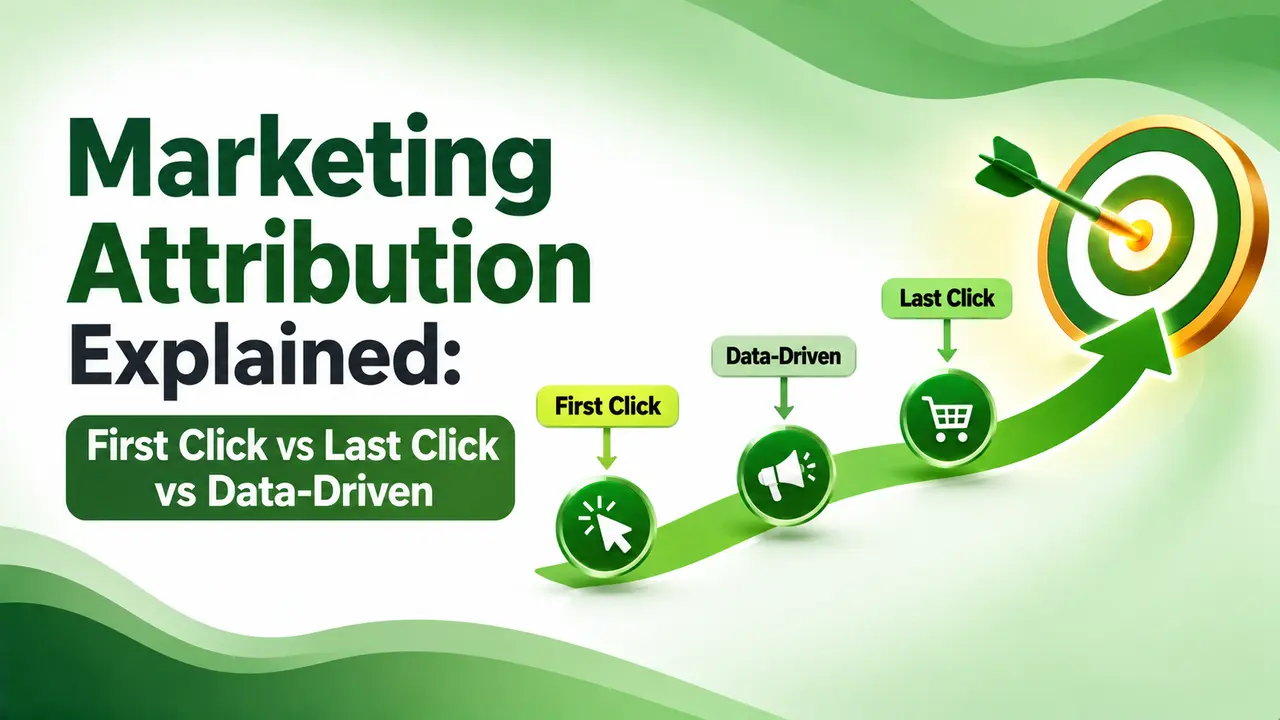
Marketing attribution answers who deserves credit for a sale. First click, last click, and data-driven each answer that differently — here's the real comparison.
Table of Contents
ToggleMarketing attribution answers one deceptively simple question: which touchpoint actually deserves credit for a sale? First click, last click, and data-driven each answer that question completely differently, and picking the wrong one can quietly steer your entire budget toward the wrong channels.
Picture a customer who sees a Facebook ad, browses your site, leaves, then converts three days later after clicking an email link. First click hands 100% of the credit to Facebook. Last click hands it entirely to email. Data-driven looks at what actually happened and splits it based on real influence.
These aren't just GA4 settings, they're a marketing attribution framework that shapes how every platform, Google Ads, Meta, your CRM, thinks about credit. Here's how each one actually works, and which one deserves your trust.
01Marketing Attribution: First Click Explained
Triple Whale's guide defines it directly: first-click attribution gives 100% of conversion credit to the very first touchpoint a customer had with your brand, whether that's an ad click or an initial site visit.
Cometly's guide frames it with a memorable analogy: first-click gives the trophy to the midfielder who made the initial pass, not the striker who scored. It's genuinely useful for measuring which channels create awareness, but it ignores everything that happened between that first touch and the eventual sale.
02Marketing Attribution: Last Click Explained
TrueProfit's guide describes it simply: last-click assigns 100% credit to the final touchpoint before conversion, and it's been the industry's default for years precisely because it's transparent and easy to explain.
Colling Media's guide is blunt about the real cost: in complex, multi-channel journeys, last-click isn't just outdated, it actively sabotages ROI by overvaluing the channel that closes the sale, brand search, retargeting, while undervaluing the channels that created the demand in the first place.
WeltPixel's guide points out a detail most marketers miss: last-click attribution specifically excludes direct visits from consideration, unless direct was the only touchpoint. If a customer clicked an ad, then returned later by typing your URL directly, the ad still gets the credit, not "Direct."
03Marketing Attribution: Data-Driven Explained
Medfluence Advisors' guide explains the mechanism plainly: data-driven attribution uses machine learning to estimate which touchpoints actually influenced conversion, comparing converting paths against non-converting ones rather than applying a fixed rule to every journey.
LeadsuiteNow's guide cites a concrete result from Google's own research worth remembering: advertisers switching from last-click to data-driven attribution saw a 6% improvement in conversions at the same ROAS, because DDA more accurately credits the upper-funnel touchpoints that drive consideration. For the platform-specific mechanics of how this works inside GA4 today, our Attribution Models Explained guide covers exactly what changed and why the older rule-based options disappeared.
04Why "Six Models" Is Now Outdated Advice
Digital Applied's guide states it directly: first-click, linear, time-decay, and position-based were removed from GA4 in November 2023 because Google judged they didn't reflect how conversions actually happen. Every remaining GA4 option is either 100% last-click or black-box machine learning.
Google's own Ads Help documentation confirms the same shift happened in Google Ads: conversion actions that used the deprecated models were automatically upgraded to data-driven attribution, with last-click remaining as the only alternative still supported.
05The Multi-Touch Models Worth Knowing Anyway
Even though Google no longer offers them natively, understanding these models helps interpret third-party tools and older reporting frameworks. RedTrack's guide explains linear attribution splits credit evenly across every touchpoint, while time-decay assigns more weight to interactions closer to the conversion.
AdStellar's guide describes position-based (U-shaped) attribution as a practical compromise: it emphasizes the first and last interactions most heavily, then divides the remainder among the middle touchpoints, useful when both demand-generation and conversion teams need representation in one report.
06Marketing Attribution Models Compared
A quick reference across the three models most relevant today.
| Model | Credits | Best For | Main Weakness |
|---|---|---|---|
| First Click | 100% to the first touchpoint | Measuring awareness/discovery channels | Ignores everything after the first touch |
| Last Click | 100% to the final touchpoint | Simple journeys, quick reporting | Overvalues bottom-funnel, ignores demand creation |
| Data-Driven | Algorithmically split by observed influence | High-volume accounts with clean tracking | Needs 300-400+ conversions to be reliable |
07Choosing the Right Model for Your Situation
Nvecta's guide offers a practical starting sequence: match the model to your channel count and data maturity. With two channels, attribution is nearly trivial. With eight or more, single-touch models like first or last click will badly misallocate budget.
Running 1-3 channels with short journeys? Last-click is a reasonable, honest approximation.
Evaluating awareness or top-of-funnel campaigns? First-click shows you what actually starts conversations.
Running multiple channels with 300+ monthly conversions? Data-driven attribution is the more accurate default.
Have low conversion volume? Data-driven becomes unreliable below the platform's minimum thresholds.
Making major budget decisions? Cross-validate with incrementality testing, not a single model alone.
08Which Marketing Attribution Model Fits You?
Answer a few quick questions to see which model likely suits your setup best.
Which Model Fits Your Account?
Select the option that matches your situation
09Common Questions on Marketing Attribution
Neither is truly "accurate," both are single-touch models that ignore everything except one interaction. First-click shows what starts conversations, last-click shows what closes sales. Data-driven attempts to capture both.
Google stated these models didn't reflect how conversions actually happen, relying on fixed rules rather than real observed data. They were removed from GA4 and Google Ads in 2023.
Google generally recommends at least 300-400 conversions per key event for reliable results. Below that threshold, the algorithm doesn't have enough data to distinguish channels meaningfully.
Yes, and many experienced teams do. Comparing last-click, data-driven, and sometimes a third model side by side often reveals which channels are under- or over-credited.
No. The change happens entirely in platform settings, GA4 or Google Ads. Your conversion tracking code stays the same; only how credit gets distributed changes.
Related Articles
What We Learn Today
First-click credits discovery, last-click credits closing
Both are single-touch models that ignore the rest of the journey
Data-driven attribution improved conversions 6% in Google's own research
First-click, linear, and time-decay were removed from Google products in 2023
Data-driven needs 300-400+ conversions to be genuinely reliable
Comparing multiple models reveals under-credited channels
Build a Complete Attribution Strategy
Understanding these models works best alongside GA4's current attribution mechanics and clean conversion data. Explore both guides next.
Related Posts
Previous Post
Next Post
Previous Post

Next Post



- Artificial Intelligence
- Content
- Core Web Vitals
- Development
- Digital Marketing
- Display Advertising
- Google Ads
- Google Search Console
- GTM
- HTML
- HTML CSS
- JavaScript
- Keyword Research
- Link Building
- LinkedIn Ads
- Local SEO
- Meta Ads
- Mobile SEO
- Off-Page SEO
- On-Page SEO
- Paid Media
- Paid Media Analytics
- PHP
- PPC Strategy
- Python
- SEO
- SEO Basics
- SEO Tools
- Social
- Technical SEO