
- Home
- SEODiscover the latest updates from across the United States, including politics, culture, economy, and trending stories. Stay informed on the key events shaping the nation and the topics everyone’s talking about.
- Technical SEOLearn technical SEO concepts including crawling, indexing, XML sitemaps, robots.txt, canonical tags, site architecture, and website performance.
- Local SEOOptimize your business for local seo with Google Business Profile, local citations, reviews, maps, and location-based SEO.
- Mobile SEOImprove your website’s mobile seo performance with responsive design, mobile-first indexing, usability, and page speed optimization.
- On-Page SEOExplore on-page seo optimization techniques such as title tags, meta descriptions, headings, URLs, internal linking, and content optimization.
- Off-Page SEODiscover off-page SEO strategies such as backlinks, digital PR, brand mentions, outreach, and authority building.
- SEO ToolsExplore the best SEO tools for keyword research, technical audits, backlink analysis, rank tracking, and website optimization.
- Core Web VitalsLearn how to improve Core Web Vitals including LCP, INP, CLS, page speed, and overall user experience for better rankings.
- Keyword ResearchLearn how to find profitable keywords, analyze search intent, evaluate competition, and build effective keyword strategies.
- Link BuildingMaster ethical link building techniques, backlink analysis, outreach methods, guest posting, and authority growth strategies.
- Google Search ConsoleLearn how to use Google Search Console to monitor indexing, fix errors, analyze search performance, and improve SEO.
- SEO BasicsLearn the fundamentals of search engine optimization (SEO Basics), including how search engines work, SEO terminology, and beginner-friendly best practices.
- Paid Media
- Display AdvertisingLearn display advertising strategies, banner ads, audience targeting, remarketing, Google Display campaigns, and optimization techniques.
- Google AdsLearn Google Ads strategies, campaign setup, bidding, keywords, Performance Max, Search Ads, and optimization techniques.
- LinkedIn AdsLearn LinkedIn Ads strategies for B2B marketing, lead generation, audience targeting, campaign optimization, and paid social advertising.
- Meta AdsLearn Meta Ads strategies for Facebook and Instagram, including campaign setup, targeting, retargeting, and performance optimization.
- Paid Media AnalyticsLearn paid media analytics, including CPC, CTR, CPA, ROAS, conversion tracking, attribution, reporting, and campaign performance analysis.
- PPC StrategyLearn effective PPC strategies, campaign planning, bidding, keyword targeting, landing pages, conversion optimization, and more.
- ContentTransform your living spaces with inspiration, tips, and trends in interior design. From minimalist decor to bold statements, find ideas for every style and budget.
- Social
- Digital MarketingExplore stories and advice on living your best life. From personal growth to entertainment, dive into the latest in lifestyle trends and inspiration.
- Artificial IntelligenceStay informed about health and wellness with expert advice, fitness tips, and the latest medical breakthroughs. Your guide to a healthier and happier life.
- DevelopmentYou will find development related educational articles
- GTMLearn Google Tag Manager (GTM) with practical guides for tags, triggers, variables, tracking, conversions, and website analytics implementation.
- HTMLLearn HTML with simple tutorials, examples, tags, elements, attributes, and best practices for building modern web pages.
- HTML CSSLearn HTML CSS together with practical tutorials, examples, layouts, styling techniques, responsive design, and modern web development practices.
- HTML JSLearn HTML JS – JavaScript with practical tutorials and examples for adding interactivity, dynamic content, events, and functionality to web pages.
- JavaScriptExplore JavaScript tutorials, examples, concepts, and practical techniques for creating interactive and dynamic websites and web applications.
- PHPLearn PHP programming with practical tutorials, examples, functions, syntax, and web development techniques for beginners and developers.
- PythonLearn Python programming with practical tutorials, examples, syntax, functions, automation techniques, and useful programming concepts.
- Home
- SEODiscover the latest updates from across the United States, including politics, culture, economy, and trending stories. Stay informed on the key events shaping the nation and the topics everyone’s talking about.
- Technical SEOLearn technical SEO concepts including crawling, indexing, XML sitemaps, robots.txt, canonical tags, site architecture, and website performance.
- Local SEOOptimize your business for local seo with Google Business Profile, local citations, reviews, maps, and location-based SEO.
- Mobile SEOImprove your website’s mobile seo performance with responsive design, mobile-first indexing, usability, and page speed optimization.
- On-Page SEOExplore on-page seo optimization techniques such as title tags, meta descriptions, headings, URLs, internal linking, and content optimization.
- Off-Page SEODiscover off-page SEO strategies such as backlinks, digital PR, brand mentions, outreach, and authority building.
- SEO ToolsExplore the best SEO tools for keyword research, technical audits, backlink analysis, rank tracking, and website optimization.
- Core Web VitalsLearn how to improve Core Web Vitals including LCP, INP, CLS, page speed, and overall user experience for better rankings.
- Keyword ResearchLearn how to find profitable keywords, analyze search intent, evaluate competition, and build effective keyword strategies.
- Link BuildingMaster ethical link building techniques, backlink analysis, outreach methods, guest posting, and authority growth strategies.
- Google Search ConsoleLearn how to use Google Search Console to monitor indexing, fix errors, analyze search performance, and improve SEO.
- SEO BasicsLearn the fundamentals of search engine optimization (SEO Basics), including how search engines work, SEO terminology, and beginner-friendly best practices.
- Paid Media
- Display AdvertisingLearn display advertising strategies, banner ads, audience targeting, remarketing, Google Display campaigns, and optimization techniques.
- Google AdsLearn Google Ads strategies, campaign setup, bidding, keywords, Performance Max, Search Ads, and optimization techniques.
- LinkedIn AdsLearn LinkedIn Ads strategies for B2B marketing, lead generation, audience targeting, campaign optimization, and paid social advertising.
- Meta AdsLearn Meta Ads strategies for Facebook and Instagram, including campaign setup, targeting, retargeting, and performance optimization.
- Paid Media AnalyticsLearn paid media analytics, including CPC, CTR, CPA, ROAS, conversion tracking, attribution, reporting, and campaign performance analysis.
- PPC StrategyLearn effective PPC strategies, campaign planning, bidding, keyword targeting, landing pages, conversion optimization, and more.
- ContentTransform your living spaces with inspiration, tips, and trends in interior design. From minimalist decor to bold statements, find ideas for every style and budget.
- Social
- Digital MarketingExplore stories and advice on living your best life. From personal growth to entertainment, dive into the latest in lifestyle trends and inspiration.
- Artificial IntelligenceStay informed about health and wellness with expert advice, fitness tips, and the latest medical breakthroughs. Your guide to a healthier and happier life.
- DevelopmentYou will find development related educational articles
- GTMLearn Google Tag Manager (GTM) with practical guides for tags, triggers, variables, tracking, conversions, and website analytics implementation.
- HTMLLearn HTML with simple tutorials, examples, tags, elements, attributes, and best practices for building modern web pages.
- HTML CSSLearn HTML CSS together with practical tutorials, examples, layouts, styling techniques, responsive design, and modern web development practices.
- HTML JSLearn HTML JS – JavaScript with practical tutorials and examples for adding interactivity, dynamic content, events, and functionality to web pages.
- JavaScriptExplore JavaScript tutorials, examples, concepts, and practical techniques for creating interactive and dynamic websites and web applications.
- PHPLearn PHP programming with practical tutorials, examples, functions, syntax, and web development techniques for beginners and developers.
- PythonLearn Python programming with practical tutorials, examples, syntax, functions, automation techniques, and useful programming concepts.
Now Reading: Influencer Marketing Best Practices for B2B Companies
-
01
Influencer Marketing Best Practices for B2B Companies
- Home//
- SEO//Discover the latest updates from across the United States, including politics, culture, economy, and trending stories. Stay informed on the key events shaping the nation and the topics everyone’s talking about.
- Technical SEO//Learn technical SEO concepts including crawling, indexing, XML sitemaps, robots.txt, canonical tags, site architecture, and website performance.
- Local SEO//Optimize your business for local seo with Google Business Profile, local citations, reviews, maps, and location-based SEO.
- Mobile SEO//Improve your website’s mobile seo performance with responsive design, mobile-first indexing, usability, and page speed optimization.
- On-Page SEO//Explore on-page seo optimization techniques such as title tags, meta descriptions, headings, URLs, internal linking, and content optimization.
- Off-Page SEO//Discover off-page SEO strategies such as backlinks, digital PR, brand mentions, outreach, and authority building.
- SEO Tools//Explore the best SEO tools for keyword research, technical audits, backlink analysis, rank tracking, and website optimization.
- Core Web Vitals//Learn how to improve Core Web Vitals including LCP, INP, CLS, page speed, and overall user experience for better rankings.
- Keyword Research//Learn how to find profitable keywords, analyze search intent, evaluate competition, and build effective keyword strategies.
- Link Building//Master ethical link building techniques, backlink analysis, outreach methods, guest posting, and authority growth strategies.
- Google Search Console//Learn how to use Google Search Console to monitor indexing, fix errors, analyze search performance, and improve SEO.
- SEO Basics//Learn the fundamentals of search engine optimization (SEO Basics), including how search engines work, SEO terminology, and beginner-friendly best practices.
- Paid Media//
- Display Advertising//Learn display advertising strategies, banner ads, audience targeting, remarketing, Google Display campaigns, and optimization techniques.
- Google Ads//Learn Google Ads strategies, campaign setup, bidding, keywords, Performance Max, Search Ads, and optimization techniques.
- LinkedIn Ads//Learn LinkedIn Ads strategies for B2B marketing, lead generation, audience targeting, campaign optimization, and paid social advertising.
- Meta Ads//Learn Meta Ads strategies for Facebook and Instagram, including campaign setup, targeting, retargeting, and performance optimization.
- Paid Media Analytics//Learn paid media analytics, including CPC, CTR, CPA, ROAS, conversion tracking, attribution, reporting, and campaign performance analysis.
- PPC Strategy//Learn effective PPC strategies, campaign planning, bidding, keyword targeting, landing pages, conversion optimization, and more.
- Content//Transform your living spaces with inspiration, tips, and trends in interior design. From minimalist decor to bold statements, find ideas for every style and budget.
- Social//
- Digital Marketing//Explore stories and advice on living your best life. From personal growth to entertainment, dive into the latest in lifestyle trends and inspiration.
- Artificial Intelligence//Stay informed about health and wellness with expert advice, fitness tips, and the latest medical breakthroughs. Your guide to a healthier and happier life.
- Development//You will find development related educational articles
- GTM//Learn Google Tag Manager (GTM) with practical guides for tags, triggers, variables, tracking, conversions, and website analytics implementation.
- HTML//Learn HTML with simple tutorials, examples, tags, elements, attributes, and best practices for building modern web pages.
- HTML CSS//Learn HTML CSS together with practical tutorials, examples, layouts, styling techniques, responsive design, and modern web development practices.
- HTML JS//Learn HTML JS – JavaScript with practical tutorials and examples for adding interactivity, dynamic content, events, and functionality to web pages.
- JavaScript//Explore JavaScript tutorials, examples, concepts, and practical techniques for creating interactive and dynamic websites and web applications.
- PHP//Learn PHP programming with practical tutorials, examples, functions, syntax, and web development techniques for beginners and developers.
- Python//Learn Python programming with practical tutorials, examples, syntax, functions, automation techniques, and useful programming concepts.
- Home
- Paid Media
- PPC Strategy
- Influencer Marketing Best Practices for B2B Companies
Influencer Marketing Best Practices for B2B Companies

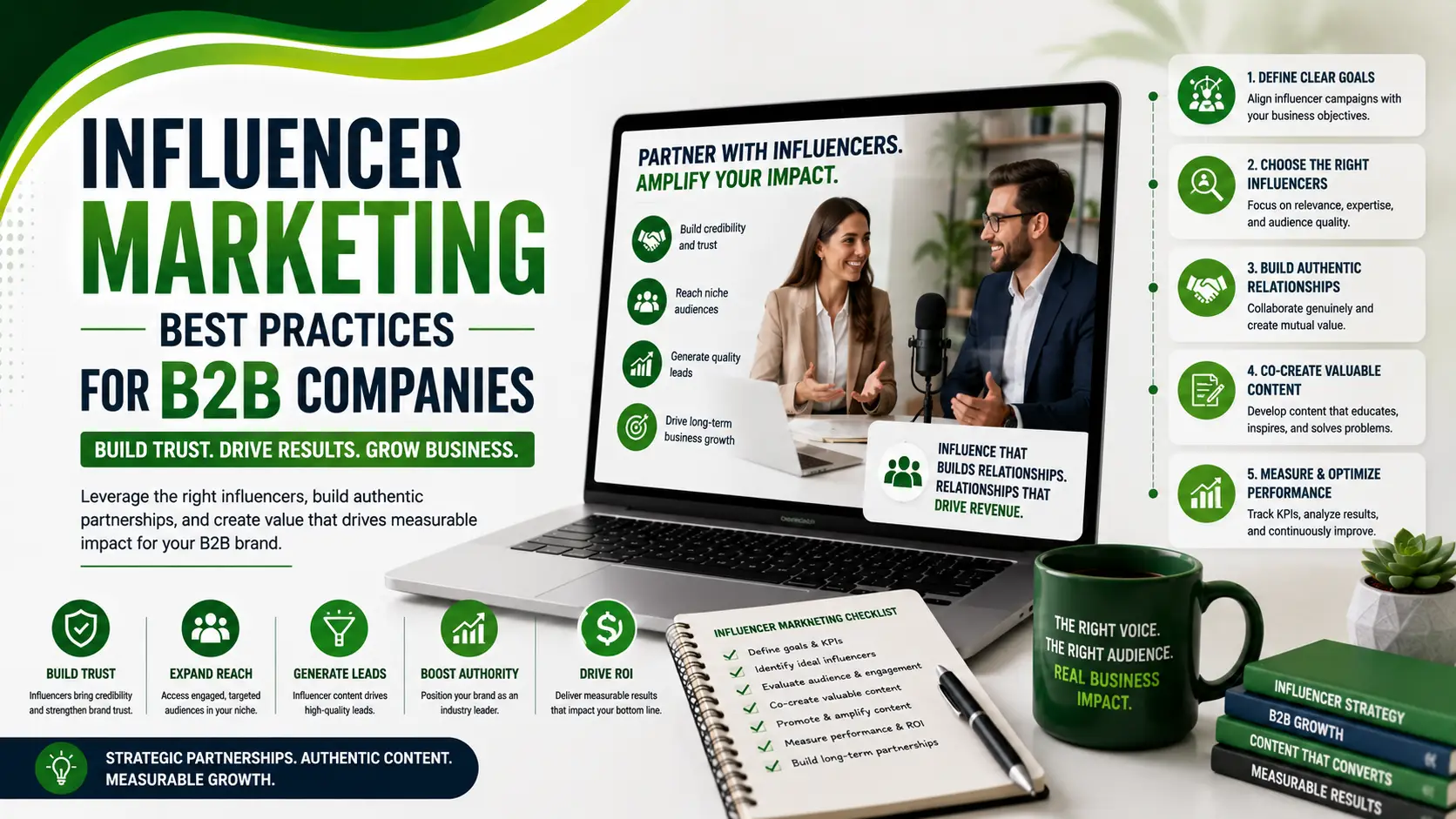
B2B influencer marketing runs on different rules than B2C — a 12K-follower niche audience can outperform a 75K generic one tenfold.
Table of Contents
ToggleInfluencer marketing best practices for B2B companies diverge from consumer playbooks on almost every axis. A creator with 75,000 followers is often useless if only 3% of that audience matches your ideal customer profile, while a creator with 12,000 followers, all senior leaders at your target accounts, can outperform them tenfold.
01Influencer Marketing Best Practices for B2B: Why It's a Different Game
IQFluence's guide draws the comparison plainly: B2B influencer content focuses on in-depth, educational material like guides, webinars, and case studies, aimed at building credibility across a longer sales cycle involving multiple stakeholders. B2C content is visually and emotionally driven, aimed at faster, often impulsive decisions.
Cherry Lane's guide is blunt about a common failure mode: content that works on Instagram, overly visual, aspirational, lifestyle-focused, fails on LinkedIn entirely. The platform rewards substance over style, tactical insights and frameworks, not pretty graphics and motivational quotes.
02Warm Outreach Beats Cold Pitching by a Wide Margin
ConnectSafely's guide is specific about the numbers behind this: research, then approach warmly, spend two weeks engaging meaningfully with an influencer's posts before pitching. Cold influencer outreach has a reply rate under 4%, warm outreach after sustained engagement converts at 28% or higher.
The same guide adds a discipline that follows naturally: lead with value, not an ask. Share research, case studies, or data they might genuinely find interesting, then pitch collaboration only after establishing real rapport, not on the first message.
Traxy's guide illustrates a specific format worth copying directly: a sales enablement platform partnered with a VP of Sales who had 30,000 LinkedIn followers to co-author "The 2026 State of B2B Sales Conversations" report. Both parties shared it. The platform earned leads from the gated PDF, and the influencer earned credibility from contributing to original research, a genuinely mutual exchange rather than a paid placement.
03The Practitioner-Creator Sweet Spot
Warmly's guide breaks B2B influencer tiers down clearly: Tier 1 analysts and established thought leaders (50K+ followers) suit brand awareness but are expensive and harder to activate. Tier 2 practitioner-creators (10K-50K followers) are the sweet spot for most B2B programs, more accessible, more niche-credible, and more affordable.
Moburst's guide adds a specific reason expert voices outperform brand voices at all: expert endorsements are 1.7 times more likely to give a brand the edge over a rival than written content from the company itself. Buyers trust a named person's genuine opinion more than a company's marketing copy.
04ICP Fit Beats Raw Follower Count
Cherry Lane's guide, referenced above, states this as the core selection principle: a creator with 75,000 followers is useless if only 3% of their audience matches your ideal customer profile. A creator with 12,000 followers, all senior leaders at your target accounts, will outperform them tenfold.
IQFluence's guide, referenced above, offers a practical vetting tactic: analyze who's actually following a prospective partner before reaching out, and check your competitors' engagement too, who's talking about them, and how, since that reveals which voices your specific buyers already trust.
05Always-On Programs Beat One-Off Campaigns
Influencer Strategists' 2026 research found 58% of active B2B teams now run an always-on creator layer, and 99% of those teams rate it effective. Credibility compounds, each quarter of consistent expert presence lowers the cost of the next conversion, which is what produces the documented 420% twelve-month ROI ceiling for these programs.
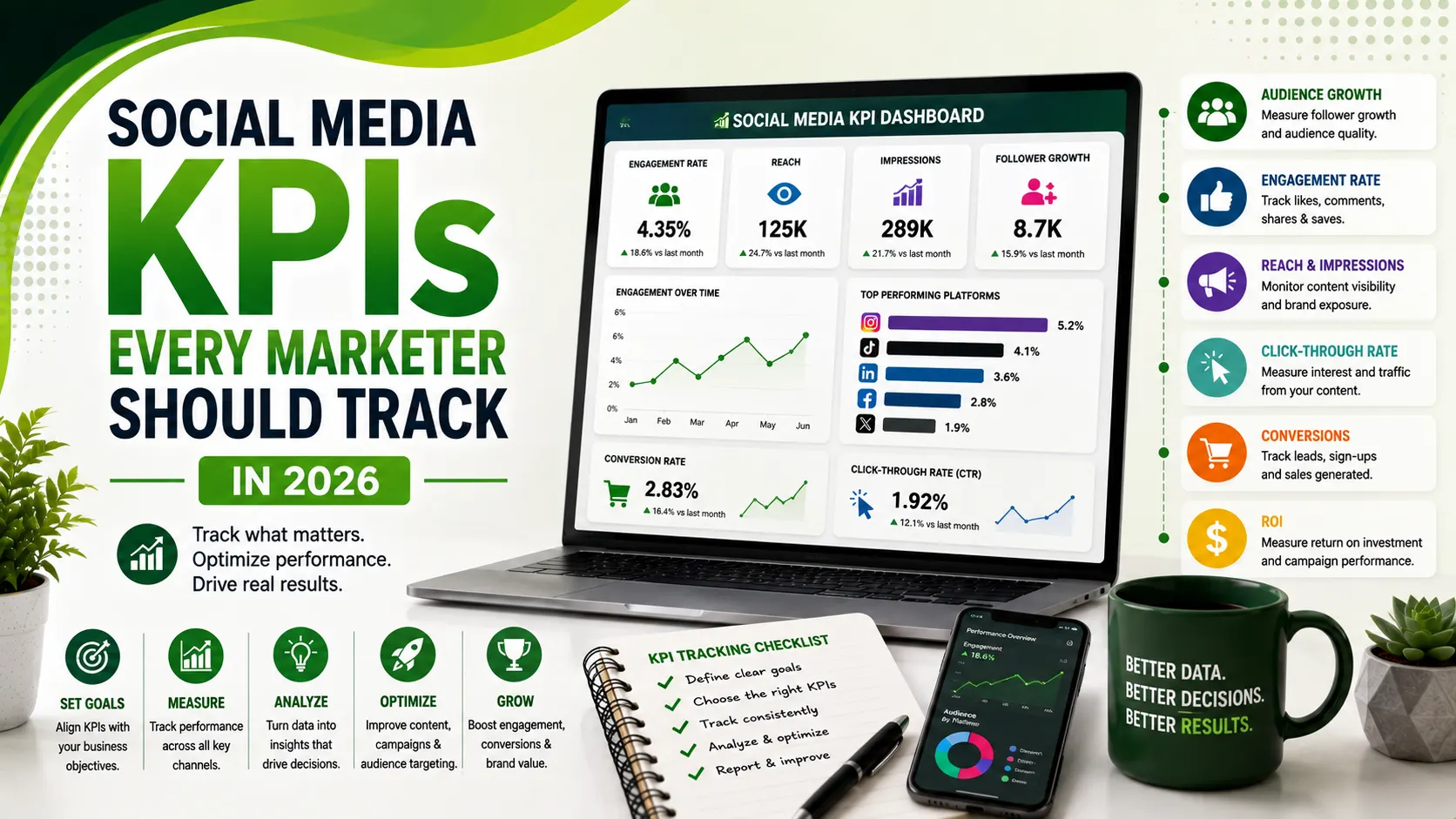
This pattern connects to what our social media KPIs guide covers about tracking business-aligned metrics over vanity ones, an always-on program only proves its value if lead quality and pipeline influence, not just impressions, are actually being measured over time.
06B2B vs B2C Influencer Marketing
A quick side-by-side of how the two approaches genuinely differ.
| Factor | B2B | B2C |
|---|---|---|
| Influencer type | Practitioners, analysts, thought leaders | Lifestyle personalities, celebrities |
| Content focus | Guides, webinars, case studies, data | Visual, aspirational, entertainment-led |
| Sales cycle | Long, multiple stakeholders | Short, often impulsive |
| Primary platform | Instagram, TikTok | |
| Success metric | Lead quality, pipeline influence | Engagement rate, sales volume |
07Building a B2B Influencer Program
A short list combining the strongest practices covered above.
Prioritize ICP fit over follower count, a smaller, precisely matched audience outperforms a larger generic one.
Engage before pitching, warm outreach converts at 28%+ versus under 4% for cold pitches.
Start with practitioner-creators, the 10K-50K follower tier is the accessible, credible sweet spot.
Let creators use their own voice, scripted, sales-rep-sounding content kills authenticity and disengages audiences.
Build an always-on program, not one-off campaigns, credibility and ROI both compound over time.
08How Ready Is Your B2B Influencer Program?
Answer a few quick questions to check your current approach.
How Ready Is Your B2B Influencer Program?
Select the option that matches your current setup
09Common Questions
No. A creator with 75,000 followers but only 3% ICP overlap can be outperformed tenfold by a creator with 12,000 followers who are all senior leaders at your target accounts. Audience match matters far more than size.
Engage meaningfully with their content for about two weeks before pitching. Cold outreach converts under 4% of the time, while warm outreach after sustained engagement converts at 28% or higher.
Practitioner-creators in the 10,000-50,000 follower range are commonly cited as the sweet spot, more accessible and niche-credible than large analysts or thought leaders, while still carrying real influence.
Ongoing, always-on programs consistently outperform one-off campaigns. Credibility compounds over time, and documented always-on programs have shown up to 420% twelve-month ROI compared to isolated sponsored posts.
No. Handing creators word-for-word scripts kills authenticity, and audiences disengage when creators sound like sales reps. Provide key messages and guardrails, but let them translate it into their own voice.
Related Articles
What We Learn Today
B2B influencer content favors substance over visual polish
Warm outreach converts 7x better than cold pitching
Practitioner-creators (10K-50K) are the B2B sweet spot
ICP audience fit outweighs raw follower count
Always-on programs beat one-off campaigns on ROI
Scripted content kills the authenticity B2B buyers respond to
Build a Complete B2B Creator Strategy
B2B influencer programs pair directly with the measurement discipline covered in our social media KPIs guide. Explore both next.
Related Posts
Previous Post
Next Post
Previous Post
Next Post
- Artificial Intelligence
- Content
- Core Web Vitals
- Development
- Digital Marketing
- Display Advertising
- Google Ads
- Google Search Console
- GTM
- HTML
- HTML CSS
- JavaScript
- Keyword Research
- Link Building
- LinkedIn Ads
- Local SEO
- Meta Ads
- Mobile SEO
- Off-Page SEO
- On-Page SEO
- Paid Media
- Paid Media Analytics
- PHP
- PPC Strategy
- Python
- SEO
- SEO Basics
- SEO Tools
- Social
- Technical SEO