
- Home
- SEODiscover the latest updates from across the United States, including politics, culture, economy, and trending stories. Stay informed on the key events shaping the nation and the topics everyone’s talking about.
- Technical SEOLearn technical SEO concepts including crawling, indexing, XML sitemaps, robots.txt, canonical tags, site architecture, and website performance.
- Local SEOOptimize your business for local seo with Google Business Profile, local citations, reviews, maps, and location-based SEO.
- Mobile SEOImprove your website’s mobile seo performance with responsive design, mobile-first indexing, usability, and page speed optimization.
- On-Page SEOExplore on-page seo optimization techniques such as title tags, meta descriptions, headings, URLs, internal linking, and content optimization.
- Off-Page SEODiscover off-page SEO strategies such as backlinks, digital PR, brand mentions, outreach, and authority building.
- SEO ToolsExplore the best SEO tools for keyword research, technical audits, backlink analysis, rank tracking, and website optimization.
- Core Web VitalsLearn how to improve Core Web Vitals including LCP, INP, CLS, page speed, and overall user experience for better rankings.
- Keyword ResearchLearn how to find profitable keywords, analyze search intent, evaluate competition, and build effective keyword strategies.
- Link BuildingMaster ethical link building techniques, backlink analysis, outreach methods, guest posting, and authority growth strategies.
- Google Search ConsoleLearn how to use Google Search Console to monitor indexing, fix errors, analyze search performance, and improve SEO.
- SEO BasicsLearn the fundamentals of search engine optimization (SEO Basics), including how search engines work, SEO terminology, and beginner-friendly best practices.
- Paid Media
- Display AdvertisingLearn display advertising strategies, banner ads, audience targeting, remarketing, Google Display campaigns, and optimization techniques.
- Google AdsLearn Google Ads strategies, campaign setup, bidding, keywords, Performance Max, Search Ads, and optimization techniques.
- LinkedIn AdsLearn LinkedIn Ads strategies for B2B marketing, lead generation, audience targeting, campaign optimization, and paid social advertising.
- Meta AdsLearn Meta Ads strategies for Facebook and Instagram, including campaign setup, targeting, retargeting, and performance optimization.
- Paid Media AnalyticsLearn paid media analytics, including CPC, CTR, CPA, ROAS, conversion tracking, attribution, reporting, and campaign performance analysis.
- PPC StrategyLearn effective PPC strategies, campaign planning, bidding, keyword targeting, landing pages, conversion optimization, and more.
- ContentTransform your living spaces with inspiration, tips, and trends in interior design. From minimalist decor to bold statements, find ideas for every style and budget.
- Social
- Digital MarketingExplore stories and advice on living your best life. From personal growth to entertainment, dive into the latest in lifestyle trends and inspiration.
- Artificial IntelligenceStay informed about health and wellness with expert advice, fitness tips, and the latest medical breakthroughs. Your guide to a healthier and happier life.
- DevelopmentYou will find development related educational articles
- GTMLearn Google Tag Manager (GTM) with practical guides for tags, triggers, variables, tracking, conversions, and website analytics implementation.
- HTMLLearn HTML with simple tutorials, examples, tags, elements, attributes, and best practices for building modern web pages.
- HTML CSSLearn HTML CSS together with practical tutorials, examples, layouts, styling techniques, responsive design, and modern web development practices.
- HTML JSLearn HTML JS – JavaScript with practical tutorials and examples for adding interactivity, dynamic content, events, and functionality to web pages.
- JavaScriptExplore JavaScript tutorials, examples, concepts, and practical techniques for creating interactive and dynamic websites and web applications.
- PHPLearn PHP programming with practical tutorials, examples, functions, syntax, and web development techniques for beginners and developers.
- PythonLearn Python programming with practical tutorials, examples, syntax, functions, automation techniques, and useful programming concepts.
- Home
- SEODiscover the latest updates from across the United States, including politics, culture, economy, and trending stories. Stay informed on the key events shaping the nation and the topics everyone’s talking about.
- Technical SEOLearn technical SEO concepts including crawling, indexing, XML sitemaps, robots.txt, canonical tags, site architecture, and website performance.
- Local SEOOptimize your business for local seo with Google Business Profile, local citations, reviews, maps, and location-based SEO.
- Mobile SEOImprove your website’s mobile seo performance with responsive design, mobile-first indexing, usability, and page speed optimization.
- On-Page SEOExplore on-page seo optimization techniques such as title tags, meta descriptions, headings, URLs, internal linking, and content optimization.
- Off-Page SEODiscover off-page SEO strategies such as backlinks, digital PR, brand mentions, outreach, and authority building.
- SEO ToolsExplore the best SEO tools for keyword research, technical audits, backlink analysis, rank tracking, and website optimization.
- Core Web VitalsLearn how to improve Core Web Vitals including LCP, INP, CLS, page speed, and overall user experience for better rankings.
- Keyword ResearchLearn how to find profitable keywords, analyze search intent, evaluate competition, and build effective keyword strategies.
- Link BuildingMaster ethical link building techniques, backlink analysis, outreach methods, guest posting, and authority growth strategies.
- Google Search ConsoleLearn how to use Google Search Console to monitor indexing, fix errors, analyze search performance, and improve SEO.
- SEO BasicsLearn the fundamentals of search engine optimization (SEO Basics), including how search engines work, SEO terminology, and beginner-friendly best practices.
- Paid Media
- Display AdvertisingLearn display advertising strategies, banner ads, audience targeting, remarketing, Google Display campaigns, and optimization techniques.
- Google AdsLearn Google Ads strategies, campaign setup, bidding, keywords, Performance Max, Search Ads, and optimization techniques.
- LinkedIn AdsLearn LinkedIn Ads strategies for B2B marketing, lead generation, audience targeting, campaign optimization, and paid social advertising.
- Meta AdsLearn Meta Ads strategies for Facebook and Instagram, including campaign setup, targeting, retargeting, and performance optimization.
- Paid Media AnalyticsLearn paid media analytics, including CPC, CTR, CPA, ROAS, conversion tracking, attribution, reporting, and campaign performance analysis.
- PPC StrategyLearn effective PPC strategies, campaign planning, bidding, keyword targeting, landing pages, conversion optimization, and more.
- ContentTransform your living spaces with inspiration, tips, and trends in interior design. From minimalist decor to bold statements, find ideas for every style and budget.
- Social
- Digital MarketingExplore stories and advice on living your best life. From personal growth to entertainment, dive into the latest in lifestyle trends and inspiration.
- Artificial IntelligenceStay informed about health and wellness with expert advice, fitness tips, and the latest medical breakthroughs. Your guide to a healthier and happier life.
- DevelopmentYou will find development related educational articles
- GTMLearn Google Tag Manager (GTM) with practical guides for tags, triggers, variables, tracking, conversions, and website analytics implementation.
- HTMLLearn HTML with simple tutorials, examples, tags, elements, attributes, and best practices for building modern web pages.
- HTML CSSLearn HTML CSS together with practical tutorials, examples, layouts, styling techniques, responsive design, and modern web development practices.
- HTML JSLearn HTML JS – JavaScript with practical tutorials and examples for adding interactivity, dynamic content, events, and functionality to web pages.
- JavaScriptExplore JavaScript tutorials, examples, concepts, and practical techniques for creating interactive and dynamic websites and web applications.
- PHPLearn PHP programming with practical tutorials, examples, functions, syntax, and web development techniques for beginners and developers.
- PythonLearn Python programming with practical tutorials, examples, syntax, functions, automation techniques, and useful programming concepts.
Now Reading: Guest Blogging for SEO: The Complete 2026 Guide to Best Practices
-
01
Guest Blogging for SEO: The Complete 2026 Guide to Best Practices
- Home//
- SEO//Discover the latest updates from across the United States, including politics, culture, economy, and trending stories. Stay informed on the key events shaping the nation and the topics everyone’s talking about.
- Technical SEO//Learn technical SEO concepts including crawling, indexing, XML sitemaps, robots.txt, canonical tags, site architecture, and website performance.
- Local SEO//Optimize your business for local seo with Google Business Profile, local citations, reviews, maps, and location-based SEO.
- Mobile SEO//Improve your website’s mobile seo performance with responsive design, mobile-first indexing, usability, and page speed optimization.
- On-Page SEO//Explore on-page seo optimization techniques such as title tags, meta descriptions, headings, URLs, internal linking, and content optimization.
- Off-Page SEO//Discover off-page SEO strategies such as backlinks, digital PR, brand mentions, outreach, and authority building.
- SEO Tools//Explore the best SEO tools for keyword research, technical audits, backlink analysis, rank tracking, and website optimization.
- Core Web Vitals//Learn how to improve Core Web Vitals including LCP, INP, CLS, page speed, and overall user experience for better rankings.
- Keyword Research//Learn how to find profitable keywords, analyze search intent, evaluate competition, and build effective keyword strategies.
- Link Building//Master ethical link building techniques, backlink analysis, outreach methods, guest posting, and authority growth strategies.
- Google Search Console//Learn how to use Google Search Console to monitor indexing, fix errors, analyze search performance, and improve SEO.
- SEO Basics//Learn the fundamentals of search engine optimization (SEO Basics), including how search engines work, SEO terminology, and beginner-friendly best practices.
- Paid Media//
- Display Advertising//Learn display advertising strategies, banner ads, audience targeting, remarketing, Google Display campaigns, and optimization techniques.
- Google Ads//Learn Google Ads strategies, campaign setup, bidding, keywords, Performance Max, Search Ads, and optimization techniques.
- LinkedIn Ads//Learn LinkedIn Ads strategies for B2B marketing, lead generation, audience targeting, campaign optimization, and paid social advertising.
- Meta Ads//Learn Meta Ads strategies for Facebook and Instagram, including campaign setup, targeting, retargeting, and performance optimization.
- Paid Media Analytics//Learn paid media analytics, including CPC, CTR, CPA, ROAS, conversion tracking, attribution, reporting, and campaign performance analysis.
- PPC Strategy//Learn effective PPC strategies, campaign planning, bidding, keyword targeting, landing pages, conversion optimization, and more.
- Content//Transform your living spaces with inspiration, tips, and trends in interior design. From minimalist decor to bold statements, find ideas for every style and budget.
- Social//
- Digital Marketing//Explore stories and advice on living your best life. From personal growth to entertainment, dive into the latest in lifestyle trends and inspiration.
- Artificial Intelligence//Stay informed about health and wellness with expert advice, fitness tips, and the latest medical breakthroughs. Your guide to a healthier and happier life.
- Development//You will find development related educational articles
- GTM//Learn Google Tag Manager (GTM) with practical guides for tags, triggers, variables, tracking, conversions, and website analytics implementation.
- HTML//Learn HTML with simple tutorials, examples, tags, elements, attributes, and best practices for building modern web pages.
- HTML CSS//Learn HTML CSS together with practical tutorials, examples, layouts, styling techniques, responsive design, and modern web development practices.
- HTML JS//Learn HTML JS – JavaScript with practical tutorials and examples for adding interactivity, dynamic content, events, and functionality to web pages.
- JavaScript//Explore JavaScript tutorials, examples, concepts, and practical techniques for creating interactive and dynamic websites and web applications.
- PHP//Learn PHP programming with practical tutorials, examples, functions, syntax, and web development techniques for beginners and developers.
- Python//Learn Python programming with practical tutorials, examples, syntax, functions, automation techniques, and useful programming concepts.
Guest Blogging for SEO: The Complete 2026 Guide to Best Practices

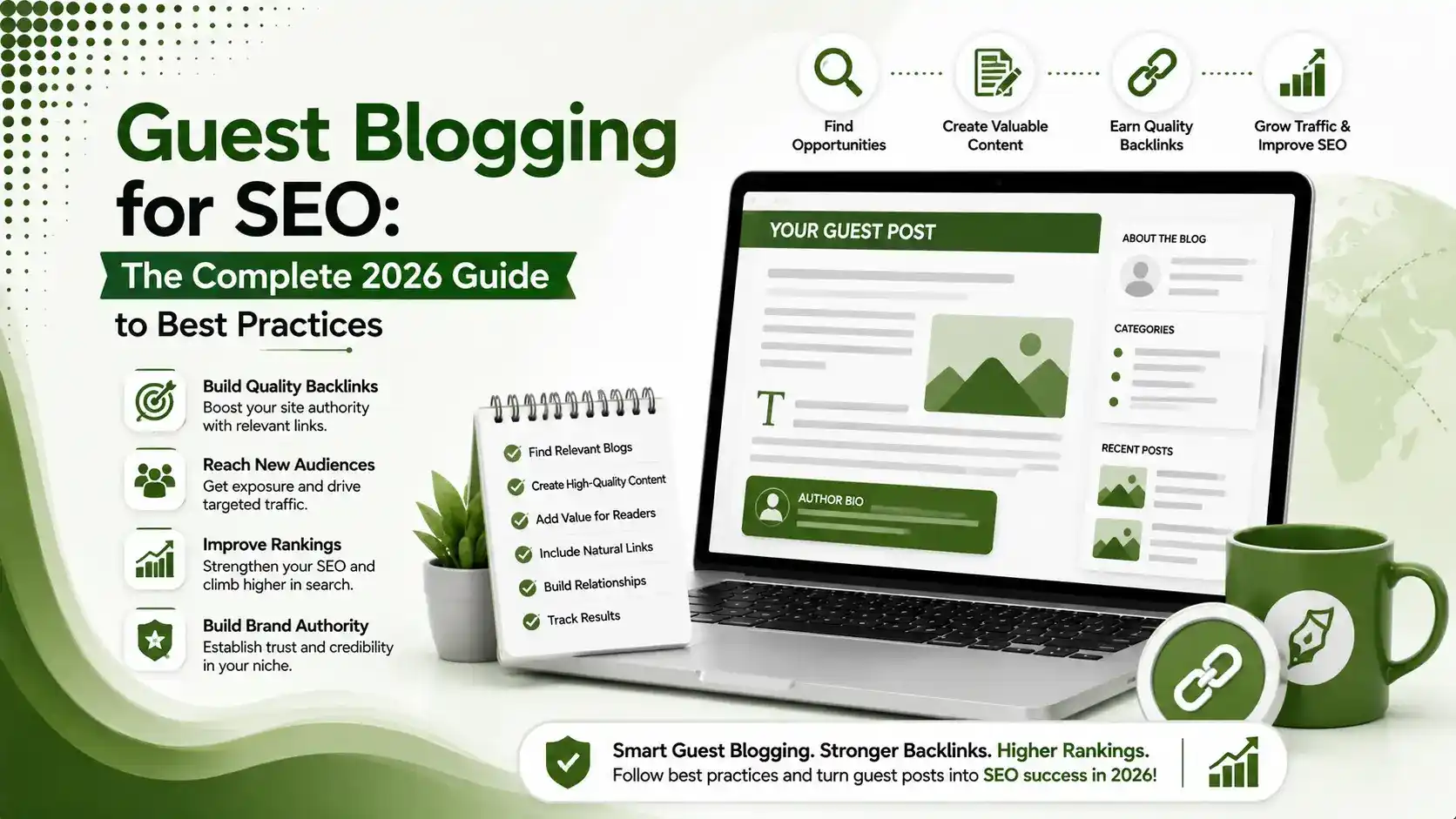
Guest blogging isn't dead, but the margin for error shrank in 2024. Here's what changed, what still counts as safe, and the practices that survive algorithm updates.
Table of Contents
ToggleGuest blogging for SEO used to be simple: write an article, drop a link, move to the next site. Google's site reputation abuse policy changed that math in March 2024, and by 2026 the practice sits in a much stricter trust environment than most guides admit.
None of this means guest posting is dead. High-quality contributions on genuinely relevant, well-run sites remain one of the more effective link-building tactics available. What changed is the margin for error, and how confidently Google's systems can now spot content published mainly to borrow a site's authority rather than serve its readers. Yotpo's 2026 industry survey found 48.6% of SEOs now rate Digital PR above traditional guest posting for exactly this reason.
A guest post that would make sense even if search engines didn't exist is still safe. One that only exists to move a ranking is exactly the pattern under active scrutiny.
This guide walks through what shifted, what still works, and the specific practices that keep a guest blogging program on the right side of Google's current spam policies.
01Why Guest Blogging for SEO Looks Different in 2026
Guest blogging picked up a bad reputation over the past several years for a simple reason: marketers scaled it into a backlink factory, flooding publishers with low-quality, often AI-generated pitches purely to harvest links. Backlinko's definitive guide to guest blogging documents the fallout plainly, many blogs closed their public submission process entirely because of it.
Editorialge's 2026 breakdown of the current landscape frames the surviving version well: a good guest post passes the "would this help the host site's audience" test, not "can I sneak my link into paragraph four."
02Google's Site Reputation Abuse Policy and Guest Posts
In March 2024, Google rolled a new spam policy into its core update targeting three specific patterns: scaled content abuse, expired domain abuse, and site reputation abuse. That last one lands directly on guest posting.
Pressbay's detailed walkthrough of the policy explains the mechanism clearly: site reputation abuse covers third-party content published on a trusted domain mainly to benefit from that domain's existing ranking signals, not to serve its actual readers. Google has said third-party content itself isn't automatically a violation, the problem is when a host site's reputation becomes the whole point.
Whitehat-SEO's 2026 research on the update notes that sites running excessive guest posting on low-quality domains, alongside PBNs and bulk-bought cheap links, now carry significant risk of manual action, not just an algorithmic ranking dip.
03The rel="sponsored" Requirement for Paid Guest Posts
Any link acquired through payment, a product exchange, or a broader commercial arrangement has to carry rel="sponsored" or rel="nofollow." Blue Tree Digital's 2026 breakdown of Google's backlink policy is direct about this: failing to mark a paid placement correctly is its own violation, separate from whatever the link quality question looks like.
This applies more widely than most people assume. Sponsored content, affiliate links, paid guest posts, and PR-driven placements involving a commercial relationship all technically need that attribution, even when a publisher prefers to call the arrangement "editorial" to preserve full link value.
04The Editorial Fit Test for a Safe Guest Post
Keyserp's 2026 compliance guide references John Mueller's repeated point that guest posts created "primarily for links" violate Google's guidelines. The operative word is primarily. A well-researched, genuinely useful article that happens to include a contextual link is a different animal from a thin piece built around three exact-match anchors.
Agencyplatform's 2026 guide to SEO guest posting lists the traits that separate the two: editorial fit with the host site's actual audience, a contextual link that helps the reader rather than interrupting them, and real subject authority behind the byline instead of generic filler.
05Signs of a Bad Guest Posting Opportunity
Not every site that accepts guest posts is worth pursuing. Icopify's guide to Google's link spam policy flags the classic private blog network signals worth screening for: shared ownership across a cluster of sites, thin content, near-identical hosting footprints, and repurposed expired domains.
Topical mismatch is its own red flag even on a legitimate site. A nursing-related link sitting inside a graphic design blog offers no real SEO value and signals manipulative intent rather than genuine relevance.
06Guest Post Types and Their SEO Value
Different guest post formats send different signals to search engines. Not all of them serve the same purpose in a link-building strategy.
| Format | Best For | SEO Value Source |
|---|---|---|
| Opinion / thought leadership | Authority and trust in competitive niches | Editorial placement and secondary citations |
| Data-driven / original research | Long-term citations from journalists and bloggers | Reuse and reference over time, not just the initial link |
| Case study | SaaS and high-trust industries | Relevant contextual links without aggressive anchors |
| Roundup / listicle contribution | Broad topic coverage with multiple sources | Natural-feeling outbound links since editors expect several |
07Proper Link Attribution and Outreach Pitch Template
Getting the technical attribution right takes one line of HTML. Here's the correct format for a paid or sponsored guest post link, plus a pitch template that leads with editorial fit instead of a bare link request.
<a href="https://example.com" rel="sponsored">anchor text</a>

Use rel="sponsored" for any link tied to payment, product exchange,
or a commercial relationship. Use rel="nofollow" when the arrangement
doesn't fit the sponsored category but still shouldn't pass ranking credit.
Subject: A [topic] piece for [Site Name]'s readers

Hi [Editor Name],

I noticed [Site Name] hasn't covered [specific content gap] recently,
though it's clearly relevant to your readers based on [related article
you published].

I'd like to pitch a piece on [specific angle], drawing on [your relevant
experience/data/case study]. No generic overview, just the practical
detail your audience won't find elsewhere.

Happy to send a full outline first if that's easier to review.

[Your name]
08Safe Guest Posting Checklist
A guest blogging program that survives algorithm updates follows a consistent set of rules rather than chasing whatever site accepts a pitch fastest.
Vet topical relevance first, the host site's actual audience should genuinely benefit from your piece.
Screen for bad neighborhoods, thin content, PBN signals, or spammy niches like gambling and payday loans nearby.
Limit outbound links per post to a small, reasonable number instead of stacking multiple exact-match anchors.
Use branded or descriptive anchor text rather than keyword-stuffed phrases that read as manipulative.
Mark paid placements correctly with rel="sponsored" or rel="nofollow," every time, no exceptions.
Build long-term editor relationships instead of constantly chasing new sites for one-off placements.
09Priority Guest Blogging Workflow
Five steps cover a compliant, effective guest blogging process. Tap each one for the specific action.
Vet the Site
Check topical relevance, traffic quality, and editorial standards before pitching. Screen for PBN signals and bad-neighborhood niches.
10Guest Post Safety Score
Score a guest posting opportunity against the factors that determine whether it's safe or risky.
Guest Post Safety Score
Select the option that matches the opportunity you're evaluating
11FAQs on Guest Blogging for SEO
Yes, when the placement is genuinely relevant and editorially sound. What no longer works is scaled, low-quality guest posting purely for link volume.
A March 2024 spam policy targeting third-party content published on a trusted site mainly to exploit that site's ranking signals rather than serve its readers.
Any link tied to payment, product exchange, or a commercial relationship needs rel="sponsored" or rel="nofollow." Purely editorial, unpaid contributions don't require it.
There's no fixed number, but a small, contextually justified count is safer than stacking multiple exact-match anchors in one piece.
Branded or descriptive anchors that read naturally. Keyword-stuffed exact-match anchors are one of the clearest manipulation signals Google's systems flag.
Related Articles
What We Learn Today
Site reputation abuse policy reshaped guest posting since March 2024
Paid links always need rel="sponsored" or rel="nofollow" attribution
Content built primarily for links is the pattern Google actively targets
Editorial fit and audience value matter more than raw link volume
Branded anchor text is safer than exact-match keyword anchors
Long-term editor relationships outperform one-off site chasing
Build a Complete Off-Page SEO Foundation
Guest blogging is one lever in a broader link-building strategy. Pair this guide with our off-page SEO and domain authority guides for the complete picture.
Related Posts
Previous Post
Next Post
Previous Post
Next Post



- Artificial Intelligence
- Content
- Core Web Vitals
- Development
- Digital Marketing
- Display Advertising
- Google Ads
- Google Search Console
- GTM
- HTML
- HTML CSS
- JavaScript
- Keyword Research
- Link Building
- LinkedIn Ads
- Local SEO
- Meta Ads
- Mobile SEO
- Off-Page SEO
- On-Page SEO
- Paid Media
- Paid Media Analytics
- PHP
- PPC Strategy
- Python
- SEO
- SEO Basics
- SEO Tools
- Social
- Technical SEO