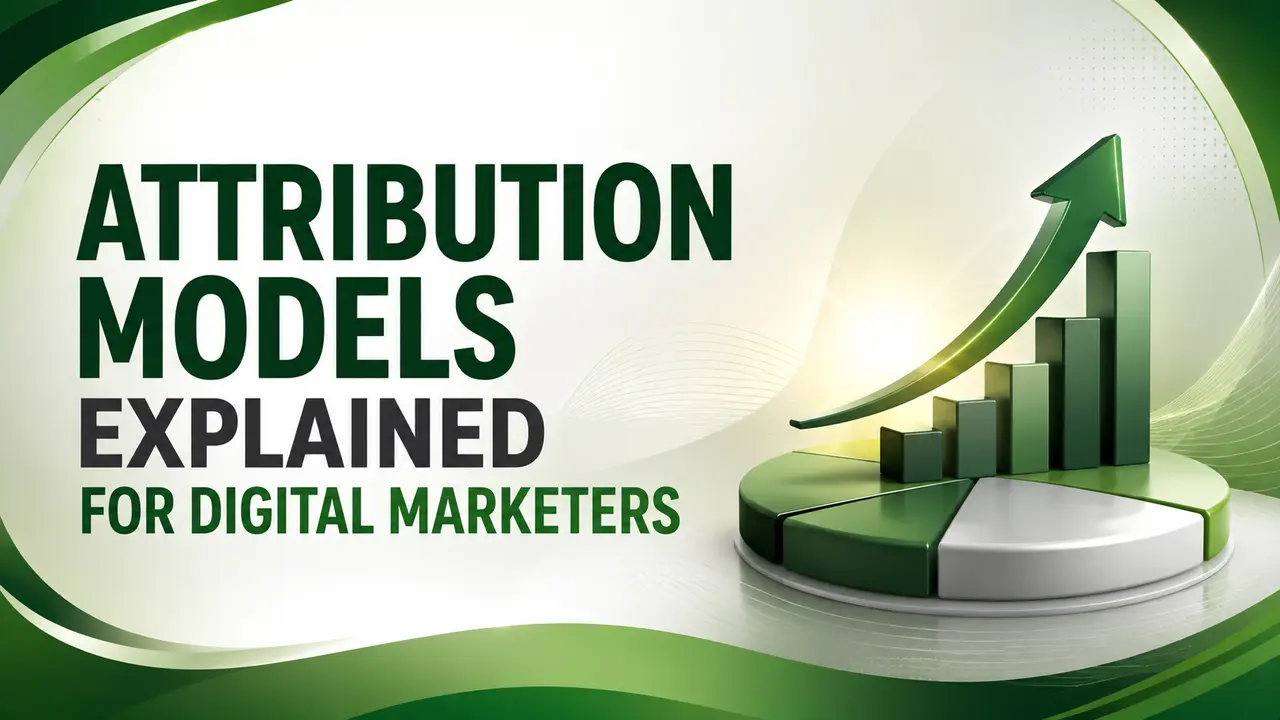
Attribution models decide which touchpoint gets credit for a sale. GA4 now offers only three — here's how each works and the trap most marketers miss.


Discover insights and guides on Google Ads, Meta Ads, and performance marketing to improve ROI from your paid campaigns
Attribution models decide which touchpoint gets credit for a sale. GA4 now offers only three — here's how each works and the trap most marketers miss.
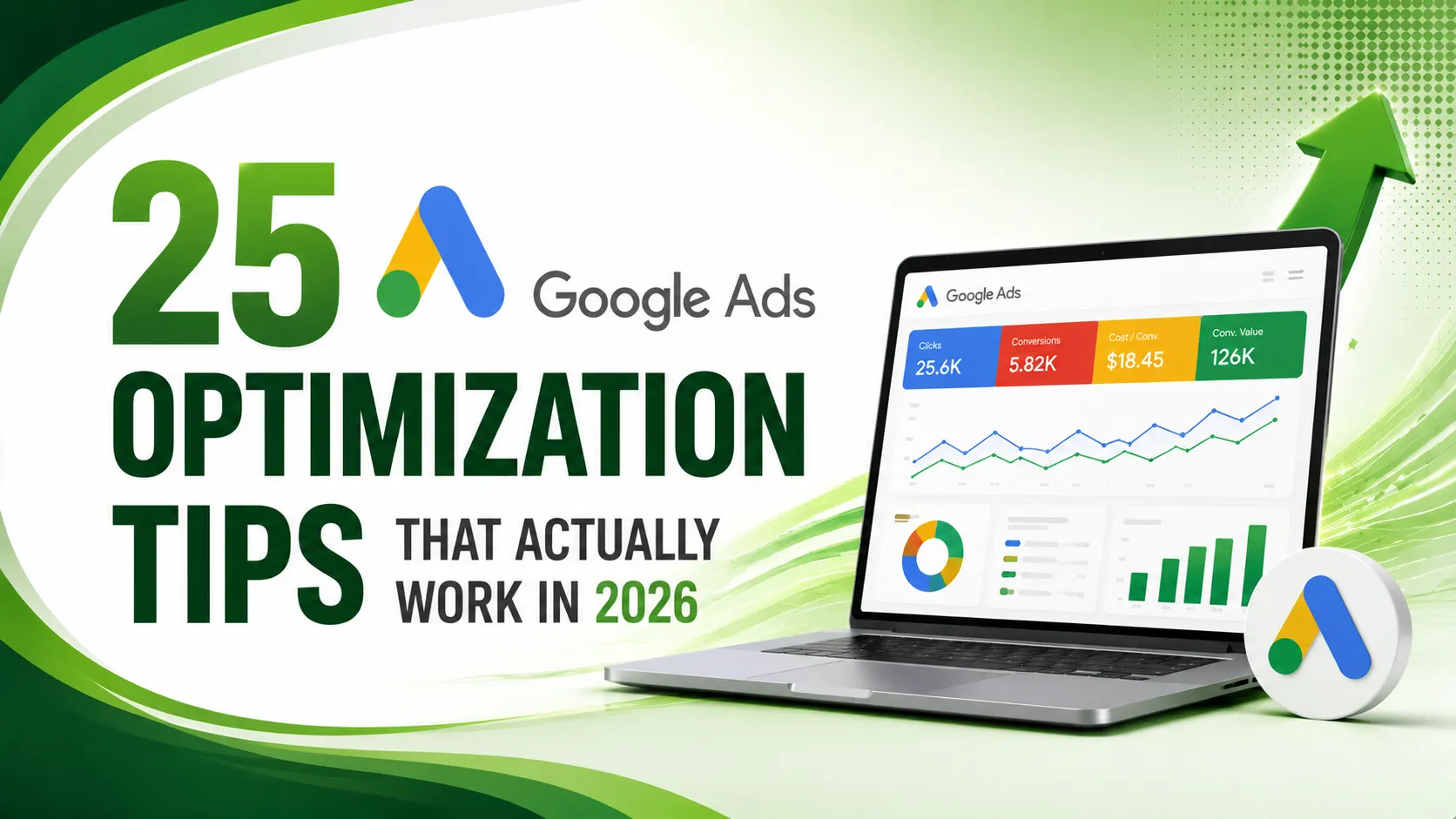
These Google Ads optimization tips are the ones that actually moved accounts in 2026 grouped by foundation, keywords, bidding, creative, and account habits.
Optimizing Performance Max isn't fighting the algorithm, it's feeding it the right inputs in the right order. Here's the exact 7-step sequence.
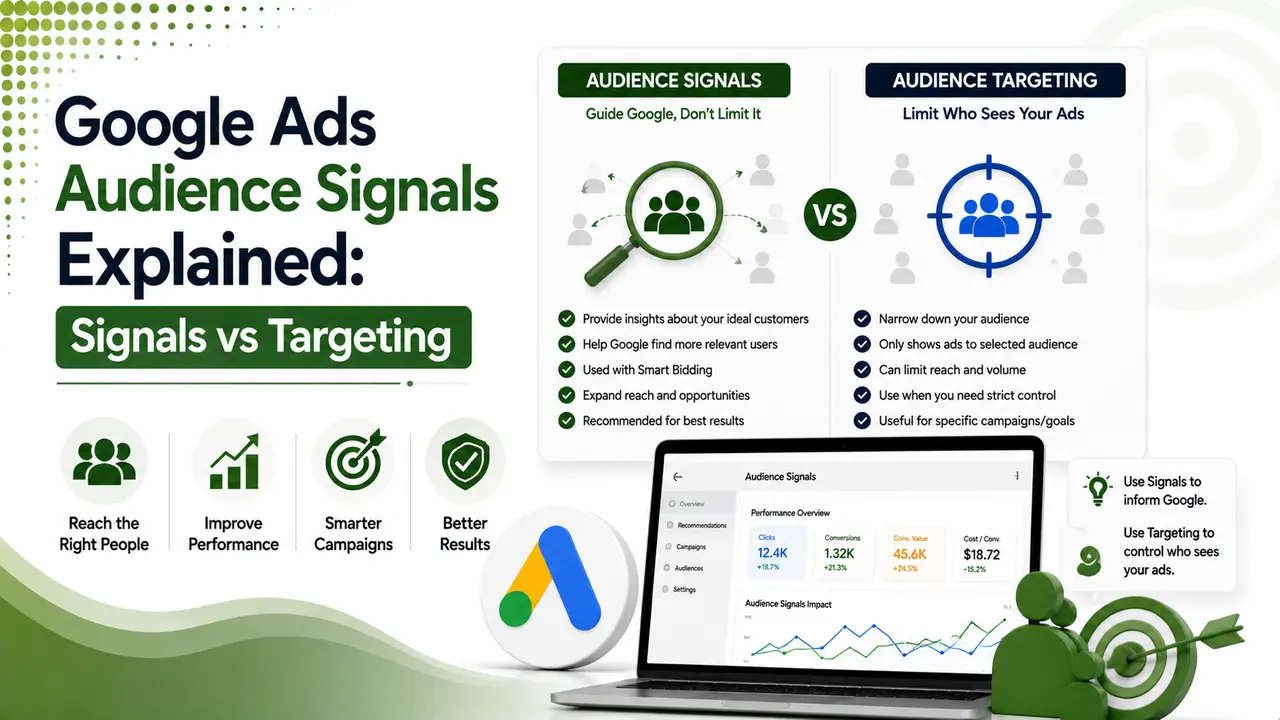
Audience signals are hints, not commands. Here's the simple version of how they work, and why PMax and Demand Gen treat them so differently.
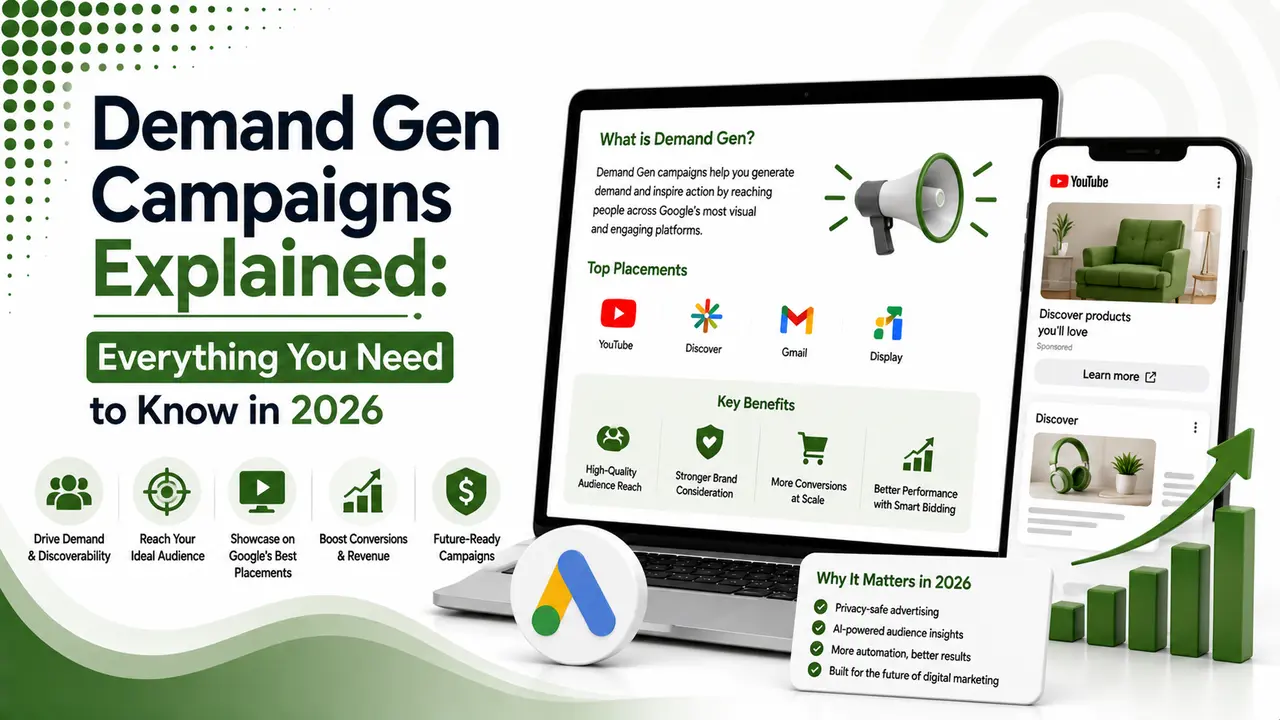
Demand Gen campaigns create demand before the query exists. Here's how they work, what's changing in 2026, and whether your account is ready for one.
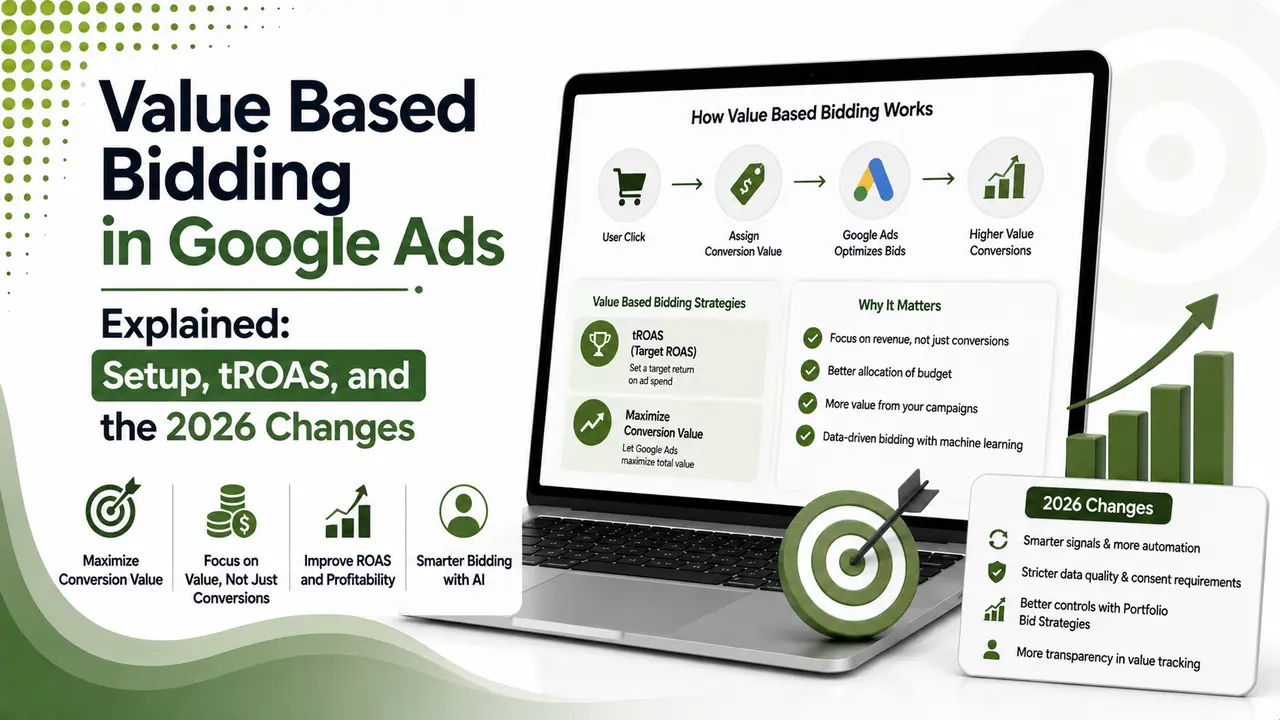
Value based bidding tells Google what each conversion is worth, not just how many you want. Here's how to set it up and what changed in 2026.
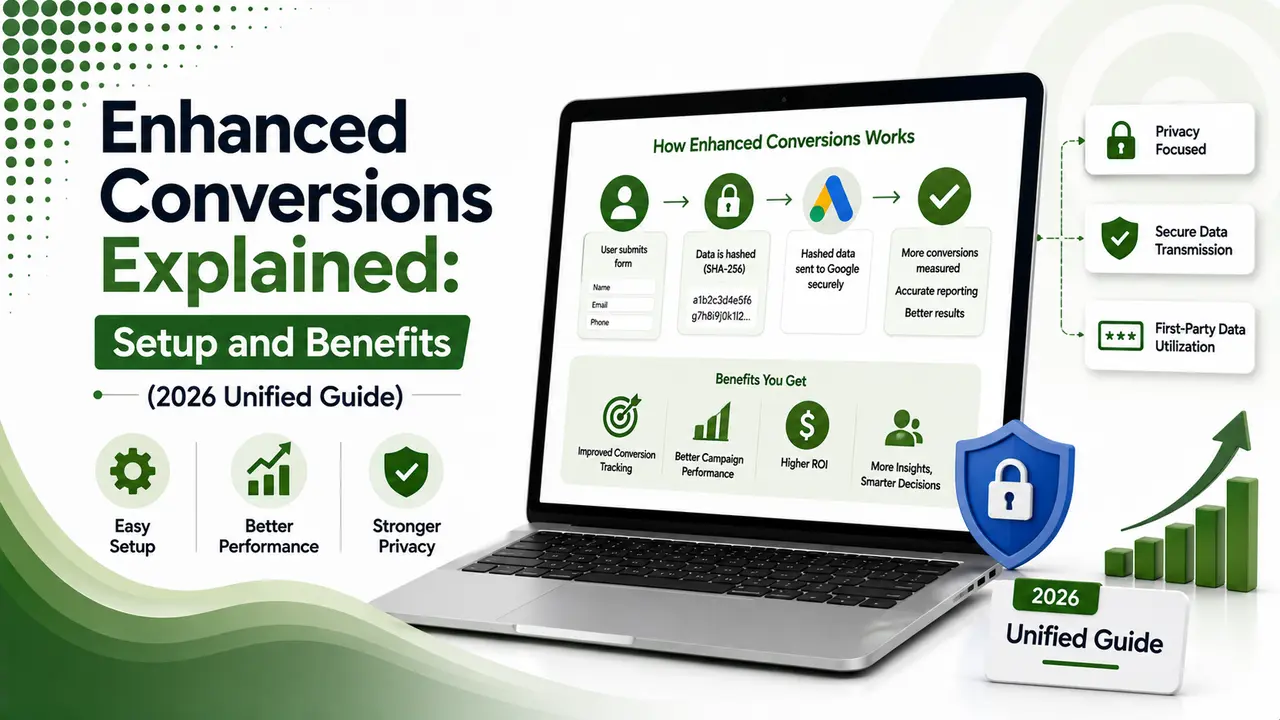
Enhanced conversions explained simply: hashed first-party data that closes Google Ads' tracking gaps, now unified into one toggle as of June 2026.
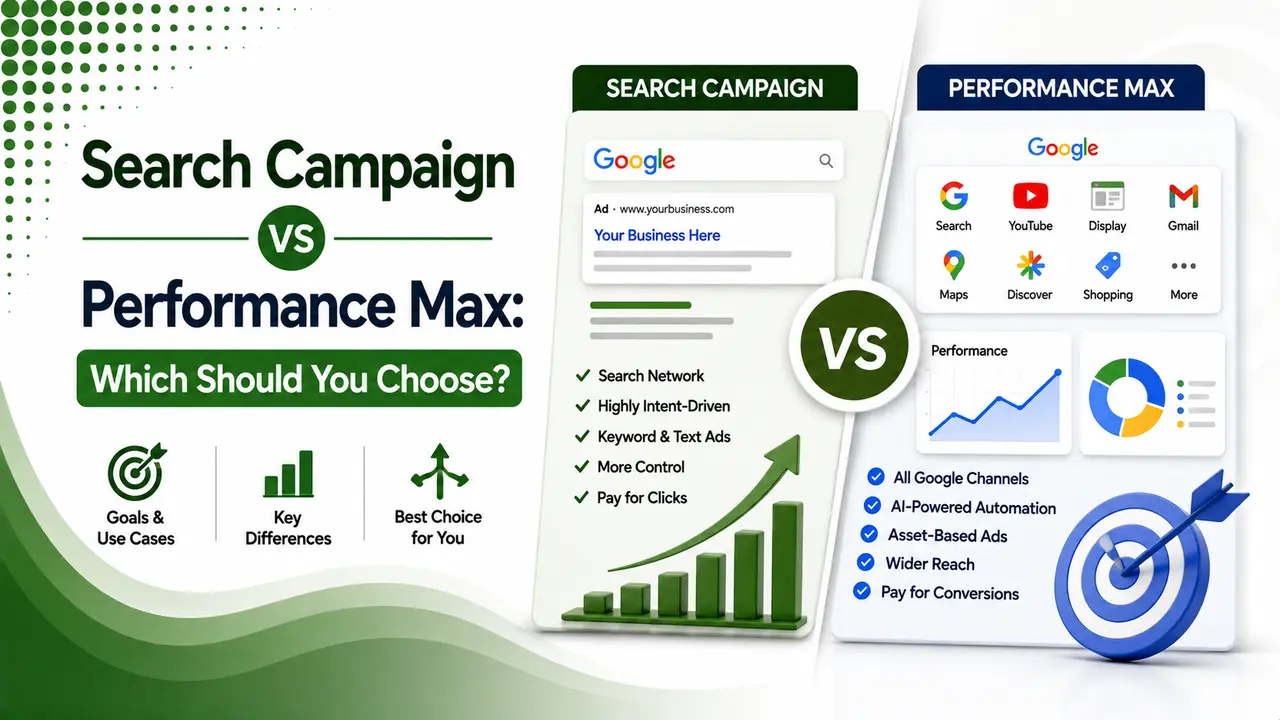
Search campaign vs Performance Max isn't a rivalry, it's two tools for two jobs. Here's when each wins, and the "Power Pack" strategy for running both.
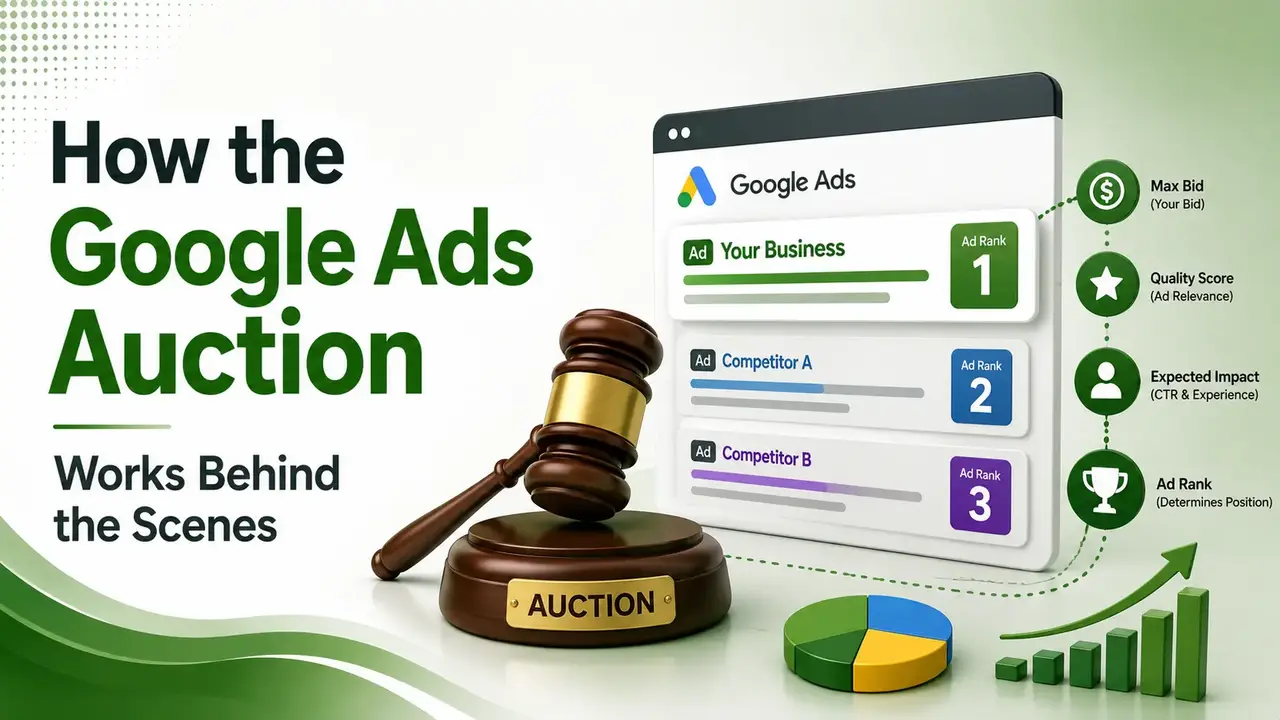
The Google Ads auction resolves faster than a blink, and the highest bidder doesn't automatically win. Here's the six-step sequence, the second-price pricing model, and a calculator to estimate your own Ad Rank against a competitor.
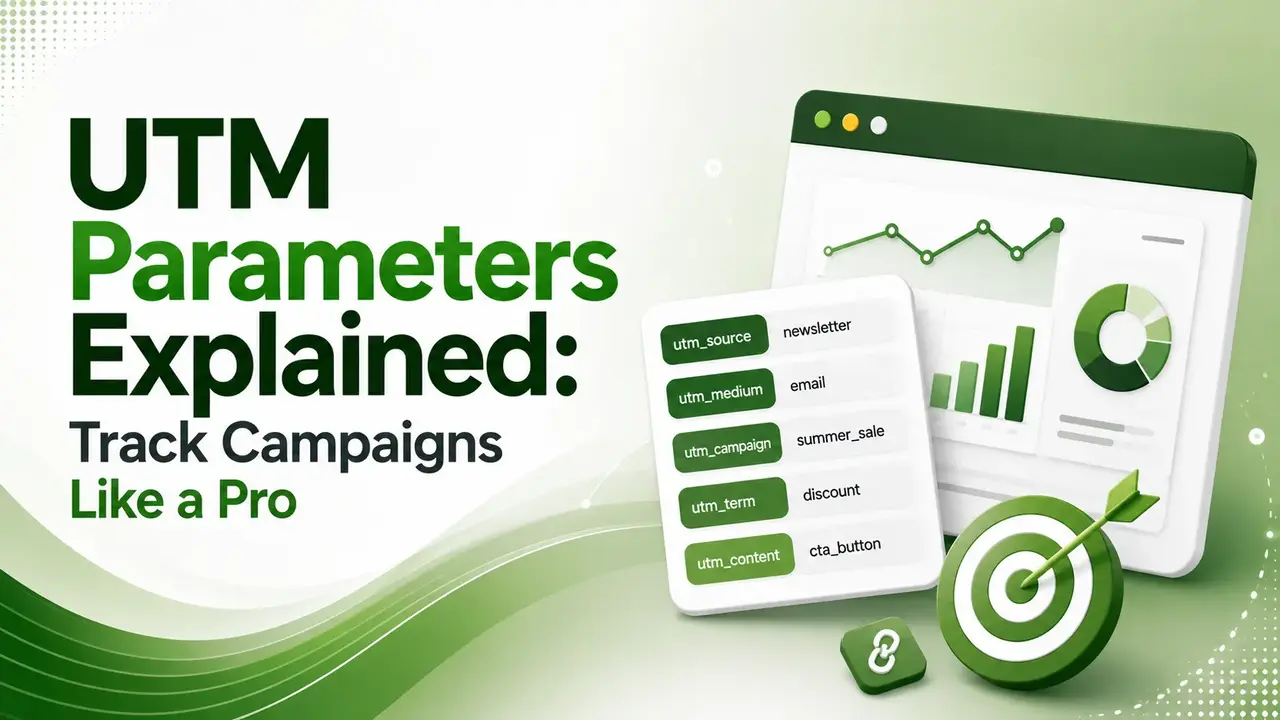
"Facebook," "facebook," and "FB" same platform, three fragmented data sources. Here's what UTM parameters actually track, the naming convention that fixes inconsistent tagging, and why they have zero effect on SEO.