
- Home
- SEODiscover the latest updates from across the United States, including politics, culture, economy, and trending stories. Stay informed on the key events shaping the nation and the topics everyone’s talking about.
- Technical SEOLearn technical SEO concepts including crawling, indexing, XML sitemaps, robots.txt, canonical tags, site architecture, and website performance.
- Local SEOOptimize your business for local seo with Google Business Profile, local citations, reviews, maps, and location-based SEO.
- Mobile SEOImprove your website’s mobile seo performance with responsive design, mobile-first indexing, usability, and page speed optimization.
- On-Page SEOExplore on-page seo optimization techniques such as title tags, meta descriptions, headings, URLs, internal linking, and content optimization.
- Off-Page SEODiscover off-page SEO strategies such as backlinks, digital PR, brand mentions, outreach, and authority building.
- SEO ToolsExplore the best SEO tools for keyword research, technical audits, backlink analysis, rank tracking, and website optimization.
- Core Web VitalsLearn how to improve Core Web Vitals including LCP, INP, CLS, page speed, and overall user experience for better rankings.
- Keyword ResearchLearn how to find profitable keywords, analyze search intent, evaluate competition, and build effective keyword strategies.
- Link BuildingMaster ethical link building techniques, backlink analysis, outreach methods, guest posting, and authority growth strategies.
- Google Search ConsoleLearn how to use Google Search Console to monitor indexing, fix errors, analyze search performance, and improve SEO.
- SEO BasicsLearn the fundamentals of search engine optimization (SEO Basics), including how search engines work, SEO terminology, and beginner-friendly best practices.
- Paid Media
- Display AdvertisingLearn display advertising strategies, banner ads, audience targeting, remarketing, Google Display campaigns, and optimization techniques.
- Google AdsLearn Google Ads strategies, campaign setup, bidding, keywords, Performance Max, Search Ads, and optimization techniques.
- LinkedIn AdsLearn LinkedIn Ads strategies for B2B marketing, lead generation, audience targeting, campaign optimization, and paid social advertising.
- Meta AdsLearn Meta Ads strategies for Facebook and Instagram, including campaign setup, targeting, retargeting, and performance optimization.
- Paid Media AnalyticsLearn paid media analytics, including CPC, CTR, CPA, ROAS, conversion tracking, attribution, reporting, and campaign performance analysis.
- PPC StrategyLearn effective PPC strategies, campaign planning, bidding, keyword targeting, landing pages, conversion optimization, and more.
- ContentTransform your living spaces with inspiration, tips, and trends in interior design. From minimalist decor to bold statements, find ideas for every style and budget.
- Social
- Digital MarketingExplore stories and advice on living your best life. From personal growth to entertainment, dive into the latest in lifestyle trends and inspiration.
- Artificial IntelligenceStay informed about health and wellness with expert advice, fitness tips, and the latest medical breakthroughs. Your guide to a healthier and happier life.
- DevelopmentYou will find development related educational articles
- GTMLearn Google Tag Manager (GTM) with practical guides for tags, triggers, variables, tracking, conversions, and website analytics implementation.
- HTMLLearn HTML with simple tutorials, examples, tags, elements, attributes, and best practices for building modern web pages.
- HTML CSSLearn HTML CSS together with practical tutorials, examples, layouts, styling techniques, responsive design, and modern web development practices.
- HTML JSLearn HTML JS – JavaScript with practical tutorials and examples for adding interactivity, dynamic content, events, and functionality to web pages.
- JavaScriptExplore JavaScript tutorials, examples, concepts, and practical techniques for creating interactive and dynamic websites and web applications.
- PHPLearn PHP programming with practical tutorials, examples, functions, syntax, and web development techniques for beginners and developers.
- PythonLearn Python programming with practical tutorials, examples, syntax, functions, automation techniques, and useful programming concepts.
- Home
- SEODiscover the latest updates from across the United States, including politics, culture, economy, and trending stories. Stay informed on the key events shaping the nation and the topics everyone’s talking about.
- Technical SEOLearn technical SEO concepts including crawling, indexing, XML sitemaps, robots.txt, canonical tags, site architecture, and website performance.
- Local SEOOptimize your business for local seo with Google Business Profile, local citations, reviews, maps, and location-based SEO.
- Mobile SEOImprove your website’s mobile seo performance with responsive design, mobile-first indexing, usability, and page speed optimization.
- On-Page SEOExplore on-page seo optimization techniques such as title tags, meta descriptions, headings, URLs, internal linking, and content optimization.
- Off-Page SEODiscover off-page SEO strategies such as backlinks, digital PR, brand mentions, outreach, and authority building.
- SEO ToolsExplore the best SEO tools for keyword research, technical audits, backlink analysis, rank tracking, and website optimization.
- Core Web VitalsLearn how to improve Core Web Vitals including LCP, INP, CLS, page speed, and overall user experience for better rankings.
- Keyword ResearchLearn how to find profitable keywords, analyze search intent, evaluate competition, and build effective keyword strategies.
- Link BuildingMaster ethical link building techniques, backlink analysis, outreach methods, guest posting, and authority growth strategies.
- Google Search ConsoleLearn how to use Google Search Console to monitor indexing, fix errors, analyze search performance, and improve SEO.
- SEO BasicsLearn the fundamentals of search engine optimization (SEO Basics), including how search engines work, SEO terminology, and beginner-friendly best practices.
- Paid Media
- Display AdvertisingLearn display advertising strategies, banner ads, audience targeting, remarketing, Google Display campaigns, and optimization techniques.
- Google AdsLearn Google Ads strategies, campaign setup, bidding, keywords, Performance Max, Search Ads, and optimization techniques.
- LinkedIn AdsLearn LinkedIn Ads strategies for B2B marketing, lead generation, audience targeting, campaign optimization, and paid social advertising.
- Meta AdsLearn Meta Ads strategies for Facebook and Instagram, including campaign setup, targeting, retargeting, and performance optimization.
- Paid Media AnalyticsLearn paid media analytics, including CPC, CTR, CPA, ROAS, conversion tracking, attribution, reporting, and campaign performance analysis.
- PPC StrategyLearn effective PPC strategies, campaign planning, bidding, keyword targeting, landing pages, conversion optimization, and more.
- ContentTransform your living spaces with inspiration, tips, and trends in interior design. From minimalist decor to bold statements, find ideas for every style and budget.
- Social
- Digital MarketingExplore stories and advice on living your best life. From personal growth to entertainment, dive into the latest in lifestyle trends and inspiration.
- Artificial IntelligenceStay informed about health and wellness with expert advice, fitness tips, and the latest medical breakthroughs. Your guide to a healthier and happier life.
- DevelopmentYou will find development related educational articles
- GTMLearn Google Tag Manager (GTM) with practical guides for tags, triggers, variables, tracking, conversions, and website analytics implementation.
- HTMLLearn HTML with simple tutorials, examples, tags, elements, attributes, and best practices for building modern web pages.
- HTML CSSLearn HTML CSS together with practical tutorials, examples, layouts, styling techniques, responsive design, and modern web development practices.
- HTML JSLearn HTML JS – JavaScript with practical tutorials and examples for adding interactivity, dynamic content, events, and functionality to web pages.
- JavaScriptExplore JavaScript tutorials, examples, concepts, and practical techniques for creating interactive and dynamic websites and web applications.
- PHPLearn PHP programming with practical tutorials, examples, functions, syntax, and web development techniques for beginners and developers.
- PythonLearn Python programming with practical tutorials, examples, syntax, functions, automation techniques, and useful programming concepts.
Now Reading: 25 Google Ads Optimization Tips That Actually Work in 2026
-
01
25 Google Ads Optimization Tips That Actually Work in 2026
- Home//
- SEO//Discover the latest updates from across the United States, including politics, culture, economy, and trending stories. Stay informed on the key events shaping the nation and the topics everyone’s talking about.
- Technical SEO//Learn technical SEO concepts including crawling, indexing, XML sitemaps, robots.txt, canonical tags, site architecture, and website performance.
- Local SEO//Optimize your business for local seo with Google Business Profile, local citations, reviews, maps, and location-based SEO.
- Mobile SEO//Improve your website’s mobile seo performance with responsive design, mobile-first indexing, usability, and page speed optimization.
- On-Page SEO//Explore on-page seo optimization techniques such as title tags, meta descriptions, headings, URLs, internal linking, and content optimization.
- Off-Page SEO//Discover off-page SEO strategies such as backlinks, digital PR, brand mentions, outreach, and authority building.
- SEO Tools//Explore the best SEO tools for keyword research, technical audits, backlink analysis, rank tracking, and website optimization.
- Core Web Vitals//Learn how to improve Core Web Vitals including LCP, INP, CLS, page speed, and overall user experience for better rankings.
- Keyword Research//Learn how to find profitable keywords, analyze search intent, evaluate competition, and build effective keyword strategies.
- Link Building//Master ethical link building techniques, backlink analysis, outreach methods, guest posting, and authority growth strategies.
- Google Search Console//Learn how to use Google Search Console to monitor indexing, fix errors, analyze search performance, and improve SEO.
- SEO Basics//Learn the fundamentals of search engine optimization (SEO Basics), including how search engines work, SEO terminology, and beginner-friendly best practices.
- Paid Media//
- Display Advertising//Learn display advertising strategies, banner ads, audience targeting, remarketing, Google Display campaigns, and optimization techniques.
- Google Ads//Learn Google Ads strategies, campaign setup, bidding, keywords, Performance Max, Search Ads, and optimization techniques.
- LinkedIn Ads//Learn LinkedIn Ads strategies for B2B marketing, lead generation, audience targeting, campaign optimization, and paid social advertising.
- Meta Ads//Learn Meta Ads strategies for Facebook and Instagram, including campaign setup, targeting, retargeting, and performance optimization.
- Paid Media Analytics//Learn paid media analytics, including CPC, CTR, CPA, ROAS, conversion tracking, attribution, reporting, and campaign performance analysis.
- PPC Strategy//Learn effective PPC strategies, campaign planning, bidding, keyword targeting, landing pages, conversion optimization, and more.
- Content//Transform your living spaces with inspiration, tips, and trends in interior design. From minimalist decor to bold statements, find ideas for every style and budget.
- Social//
- Digital Marketing//Explore stories and advice on living your best life. From personal growth to entertainment, dive into the latest in lifestyle trends and inspiration.
- Artificial Intelligence//Stay informed about health and wellness with expert advice, fitness tips, and the latest medical breakthroughs. Your guide to a healthier and happier life.
- Development//You will find development related educational articles
- GTM//Learn Google Tag Manager (GTM) with practical guides for tags, triggers, variables, tracking, conversions, and website analytics implementation.
- HTML//Learn HTML with simple tutorials, examples, tags, elements, attributes, and best practices for building modern web pages.
- HTML CSS//Learn HTML CSS together with practical tutorials, examples, layouts, styling techniques, responsive design, and modern web development practices.
- HTML JS//Learn HTML JS – JavaScript with practical tutorials and examples for adding interactivity, dynamic content, events, and functionality to web pages.
- JavaScript//Explore JavaScript tutorials, examples, concepts, and practical techniques for creating interactive and dynamic websites and web applications.
- PHP//Learn PHP programming with practical tutorials, examples, functions, syntax, and web development techniques for beginners and developers.
- Python//Learn Python programming with practical tutorials, examples, syntax, functions, automation techniques, and useful programming concepts.
- Home
- Paid Media
- Google Ads
- 25 Google Ads Optimization Tips That Actually Work in 2026
25 Google Ads Optimization Tips That Actually Work in 2026

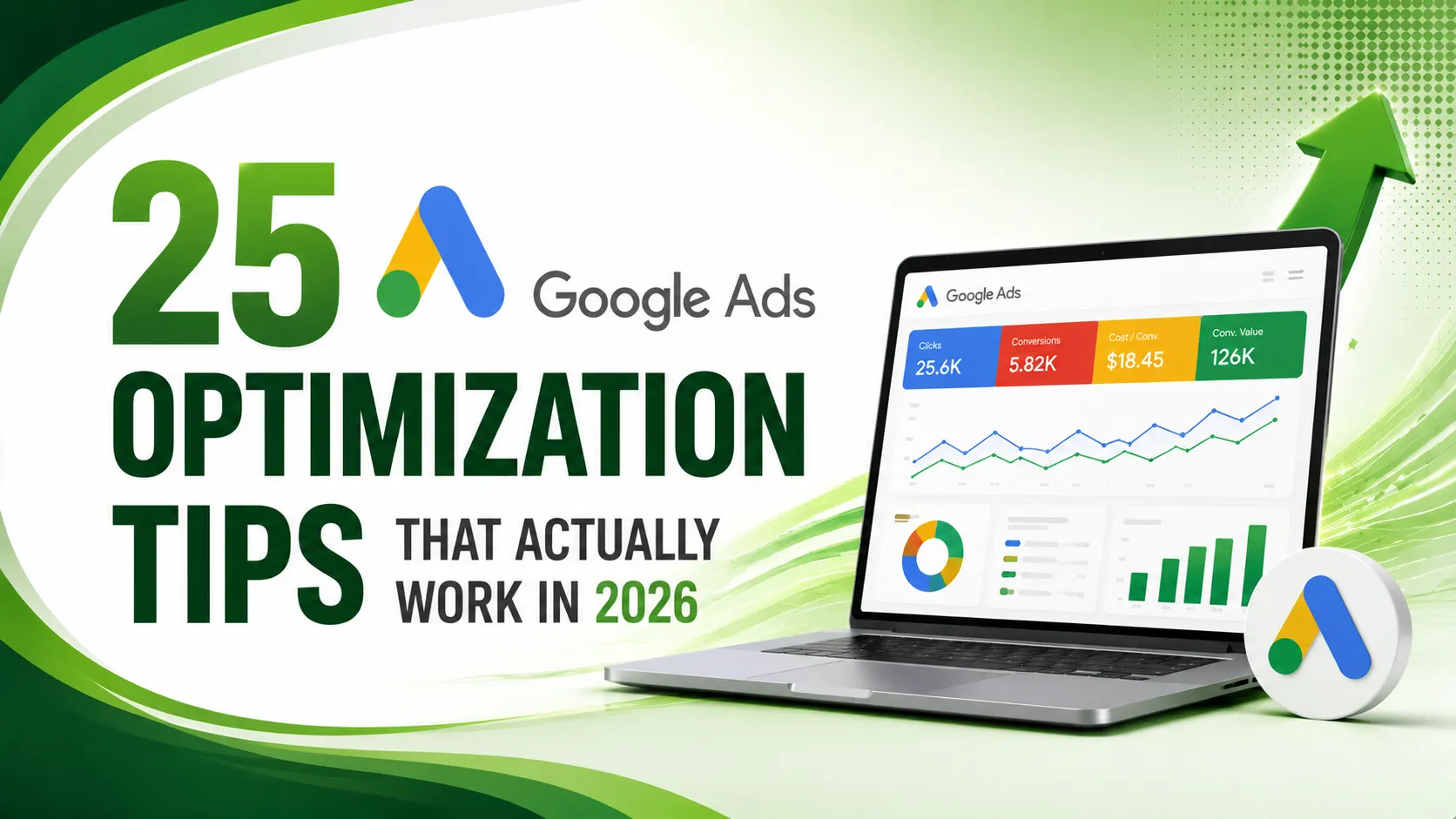
These Google Ads optimization tips are the ones that actually moved accounts in 2026 grouped by foundation, keywords, bidding, creative, and account habits.
Table of Contents
ToggleThese Google Ads optimization tips are the ones that actually moved accounts in 2026, not recycled "write better ad copy" advice. Every tip below comes from a real, current source, and every one still applies whether you're running Search, PMax, or Demand Gen.
Google Ads optimization tips only work when the foundation underneath them is solid. Bad conversion data makes even the best tip pointless.
So these 25 are ordered deliberately. Foundation first. Tactics after.
01Google Ads Optimization Tips: Fix Your Foundation First (Tips 1-5)
Directive's 2026 guide puts it in one sentence worth repeating: Google is only as smart as the data you feed it. Start here, or nothing else below performs as well as it should.
Practical Ecommerce's analysis is blunt: flawed tracking is the silent killer of Google Ads performance. If conversions are double-counted or missing, every decision downstream is built on bad data.
RedTrack's guide notes first-party, server-side tracking recovers conversions the standard pixel misses entirely, feeding Smart Bidding data it wouldn't otherwise have.
MDS Media's 2026 guide recommends feeding actual profit margins via Cart Data or COGS uploads, so the AI can tell a high-margin sale from a low-margin one.
The same guide documents advertisers with rich first-party data achieving 20-40% lower CPAs than those relying only on Google's native signals.
LeadsBridge's best practices list is direct: give campaigns budget, time, and enough data to actually learn before making changes.
02Keyword and Search Term Management (Tips 6-10)
AdNabu's 2026 guide treats this as a continuous process, not a one-time setup. Search terms shift constantly, and so should your keyword list.
AdNabu, referenced above, recommends account-level lists for broad exclusions, campaign-level for low-intent traffic, and ad group-level to narrow things further still.
Groas' 2026 rules list names this specifically: weekly search term reviews catch waste before it compounds into real budget loss.
Modern Marketing Institute's guide notes single-keyword ad groups have largely been replaced by 5-15 closely related keywords sharing one intent.
EBS Media's checklist gives a clear example: "buy project management software" should never share an ad group with "project management software tutorial."
Stape's guide points to long-tail keywords (3-5 words) as consistently less competitive and easier to rank cost-effectively.
03Bidding and Budget Tips (Tips 11-15)
These Google Ads optimization tips focus on how money actually gets spent, not just where it's aimed.
Fixing on a low CPA limits growth, per Two Minute Reports' guide. Google prioritizes the cheapest conversions available, not the ones that matter most.
Factors.ai's B2B guide recommends switching to Maximize Conversion Value once you consistently hit 30+ monthly conversions.
Groas, referenced above, flags this as one of the 12 that actually matter in 2026, paired with avoiding shared budgets across mismatched campaigns.
Americaneagle's guide recommends In-Market and Affinity segments as observation layers, feeding Smart Bidding without limiting reach.
Directive Consulting, referenced above, calls this the bridge between online ads and CRM-recorded revenue, essential for teaching Google what a real customer looks like.
04Ad Copy and Creative Tips (Tips 16-20)
Creative still matters, even in an increasingly automated account.
Practical Ecommerce's analysis, referenced above, calls this Google's most common recommendation for good reason. Include at least one full RSA in every ad group regardless.
Groas' guide, referenced above, advises against over-pinning headlines. Pin only when a specific claim legally or factually must appear.
Americaneagle's guide, referenced above, frames testing as ongoing, not a one-time launch task, since it reveals what resonates as audiences shift.
LeadsBridge's guide, referenced above, is specific: choose one goal per ad, and craft ad copy, landing page copy, and CTA around that single goal consistently.
The same guide flags fast landing pages, message match, and mobile-first design as part of the optimization job, not separate from it.
05Audience and Account Management Tips (Tips 21-25)
The last five Google Ads optimization tips cover the ongoing habits that separate stable accounts from volatile ones.
Groas' guide, referenced above, recommends treating this as a recurring task, layering fresh signals rather than relying on a stale list from launch.
Practical Ecommerce's guide, referenced above, warns Google's suggestions don't always align with your goals. A 10-point Optimization Score increase links to a 14% median conversion lift, but blind acceptance can flood a campaign with irrelevant traffic.
Groas' guide, referenced above, lays out a rhythm worth copying: daily monitoring, weekly negatives, bi-weekly strategy check-ins, monthly deep dives.
GrowthSpree's experimentation guide found teams optimizing for cost-per-SQL instead of form-fills achieved 30-50% lower cost per qualified lead.
Factors.ai's guide, referenced above, recommends starting with Search to capture high-intent traffic, then adding Demand Gen for reach expansion once Search is profitable.
06Quick Reference: Priority by Account Stage
Not every tip matters equally at every stage. Here's a rough guide.
| Account Stage | Focus First | Tips to Prioritize |
|---|---|---|
| New account, under 30 conversions/month | Foundation and tracking | Tips 1-5 |
| Growing, 30-100 conversions/month | Keywords and bidding | Tips 6-15 |
| Established, 100+ conversions/month | Creative and expansion | Tips 16-25 |
07Monthly Optimization Checklist
A short cadence to keep these Google Ads optimization tips from becoming a one-time exercise.
Weekly: review search terms and update negative keywords at all three levels.
Bi-weekly: check bid strategy performance and refresh audience signals.
Monthly: do a full account deep dive, conversion tracking, creative ratings, budget pacing.
Quarterly: reconcile campaign winners against actual closed revenue, not just CTR or leads.
08How Many of These Tips Are You Actually Using?
Answer honestly to see where your account stands.
How Many Tips Are You Using?
Select the option that matches your account
09Common Questions
Start with conversion tracking and data foundation, tips 1-5. Nothing else on this list works well without clean, accurate data first.
Weekly for search terms and negatives, bi-weekly for strategy, monthly for a full deep dive, and quarterly to reconcile results against real revenue.
No. Review each one with your own judgment first. A higher Optimization Score correlates with better performance on average, but it doesn't guarantee it for your specific account.
Most do. Conversion tracking, audience signals, and bidding maturity apply across all campaign types, though creative-specific tips lean more toward Search and Demand Gen.
Fixing conversion tracking. Every other optimization decision, bidding, audiences, creative, depends on the algorithm having accurate data to learn from.
Related Articles
What We Learn Today
Conversion tracking is the foundation everything else depends on
Negative keywords need review at account, campaign, and ad group levels
Value based bidding needs 30+ monthly conversions to work well
Creative still matters, filled RSAs and rolling A/B tests included
A consistent review cadence beats reactive, occasional check-ins
Google's recommendations need judgment, not blind acceptance
Build a Complete Google Ads Optimization Routine
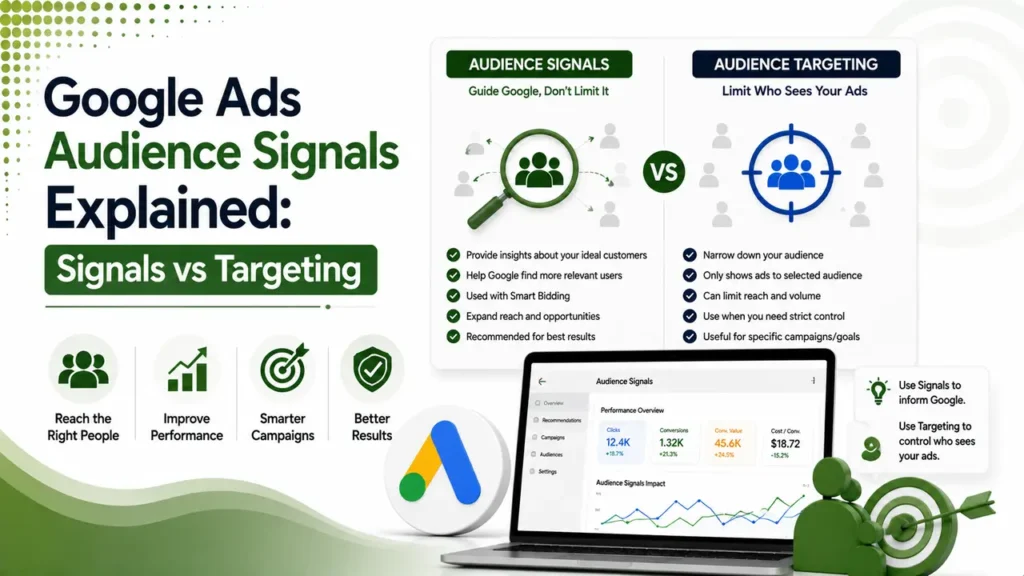
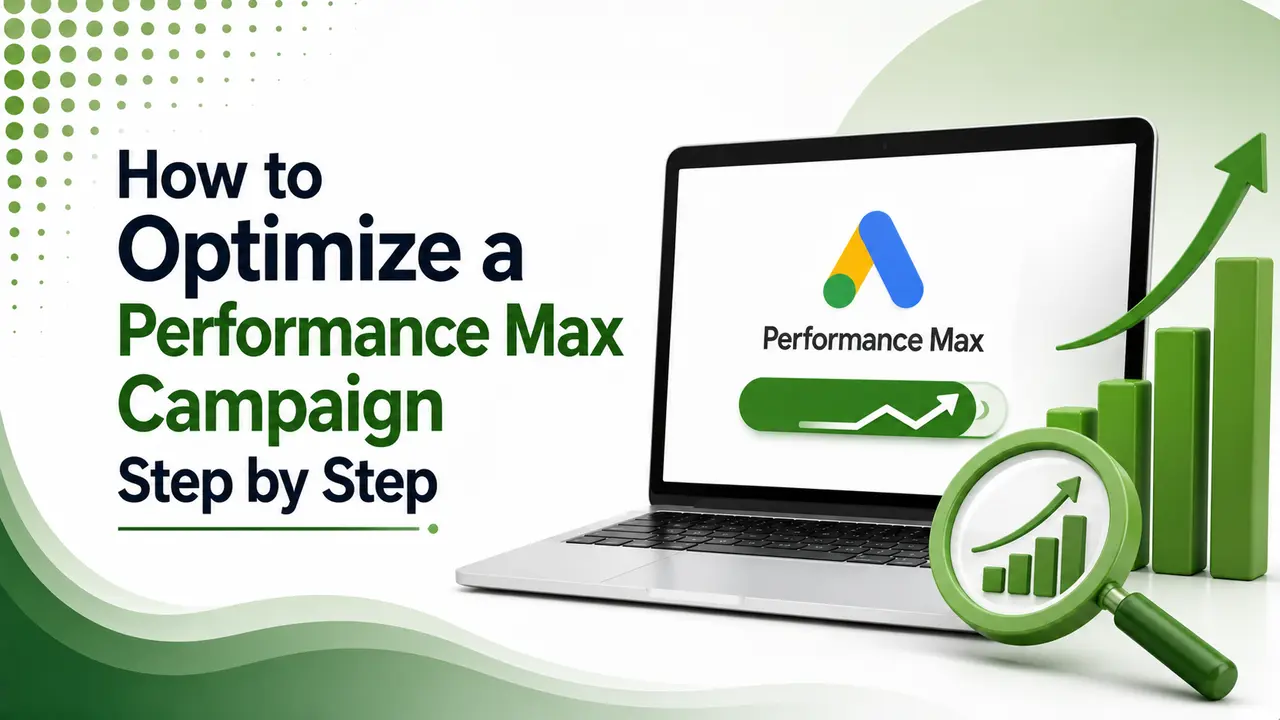
These tips work best combined with a solid Performance Max setup and clean audience signals. Explore both guides next.
Related Posts
Previous Post
Next Post
Previous Post
Next Post


- Artificial Intelligence
- Content
- Core Web Vitals
- Development
- Digital Marketing
- Display Advertising
- Google Ads
- Google Search Console
- GTM
- HTML
- HTML CSS
- JavaScript
- Keyword Research
- Link Building
- LinkedIn Ads
- Local SEO
- Meta Ads
- Mobile SEO
- Off-Page SEO
- On-Page SEO
- Paid Media
- Paid Media Analytics
- PHP
- PPC Strategy
- Python
- SEO
- SEO Basics
- SEO Tools
- Social
- Technical SEO