
- Home
- SEODiscover the latest updates from across the United States, including politics, culture, economy, and trending stories. Stay informed on the key events shaping the nation and the topics everyone’s talking about.
- Technical SEOLearn technical SEO concepts including crawling, indexing, XML sitemaps, robots.txt, canonical tags, site architecture, and website performance.
- Local SEOOptimize your business for local seo with Google Business Profile, local citations, reviews, maps, and location-based SEO.
- Mobile SEOImprove your website’s mobile seo performance with responsive design, mobile-first indexing, usability, and page speed optimization.
- On-Page SEOExplore on-page seo optimization techniques such as title tags, meta descriptions, headings, URLs, internal linking, and content optimization.
- Off-Page SEODiscover off-page SEO strategies such as backlinks, digital PR, brand mentions, outreach, and authority building.
- SEO ToolsExplore the best SEO tools for keyword research, technical audits, backlink analysis, rank tracking, and website optimization.
- Core Web VitalsLearn how to improve Core Web Vitals including LCP, INP, CLS, page speed, and overall user experience for better rankings.
- Keyword ResearchLearn how to find profitable keywords, analyze search intent, evaluate competition, and build effective keyword strategies.
- Link BuildingMaster ethical link building techniques, backlink analysis, outreach methods, guest posting, and authority growth strategies.
- Google Search ConsoleLearn how to use Google Search Console to monitor indexing, fix errors, analyze search performance, and improve SEO.
- SEO BasicsLearn the fundamentals of search engine optimization (SEO Basics), including how search engines work, SEO terminology, and beginner-friendly best practices.
- Paid Media
- Display AdvertisingLearn display advertising strategies, banner ads, audience targeting, remarketing, Google Display campaigns, and optimization techniques.
- Google AdsLearn Google Ads strategies, campaign setup, bidding, keywords, Performance Max, Search Ads, and optimization techniques.
- LinkedIn AdsLearn LinkedIn Ads strategies for B2B marketing, lead generation, audience targeting, campaign optimization, and paid social advertising.
- Meta AdsLearn Meta Ads strategies for Facebook and Instagram, including campaign setup, targeting, retargeting, and performance optimization.
- Paid Media AnalyticsLearn paid media analytics, including CPC, CTR, CPA, ROAS, conversion tracking, attribution, reporting, and campaign performance analysis.
- PPC StrategyLearn effective PPC strategies, campaign planning, bidding, keyword targeting, landing pages, conversion optimization, and more.
- ContentTransform your living spaces with inspiration, tips, and trends in interior design. From minimalist decor to bold statements, find ideas for every style and budget.
- Social
- Digital MarketingExplore stories and advice on living your best life. From personal growth to entertainment, dive into the latest in lifestyle trends and inspiration.
- Artificial IntelligenceStay informed about health and wellness with expert advice, fitness tips, and the latest medical breakthroughs. Your guide to a healthier and happier life.
- DevelopmentYou will find development related educational articles
- GTMLearn Google Tag Manager (GTM) with practical guides for tags, triggers, variables, tracking, conversions, and website analytics implementation.
- HTMLLearn HTML with simple tutorials, examples, tags, elements, attributes, and best practices for building modern web pages.
- HTML CSSLearn HTML CSS together with practical tutorials, examples, layouts, styling techniques, responsive design, and modern web development practices.
- HTML JSLearn HTML JS – JavaScript with practical tutorials and examples for adding interactivity, dynamic content, events, and functionality to web pages.
- JavaScriptExplore JavaScript tutorials, examples, concepts, and practical techniques for creating interactive and dynamic websites and web applications.
- PHPLearn PHP programming with practical tutorials, examples, functions, syntax, and web development techniques for beginners and developers.
- PythonLearn Python programming with practical tutorials, examples, syntax, functions, automation techniques, and useful programming concepts.
- Home
- SEODiscover the latest updates from across the United States, including politics, culture, economy, and trending stories. Stay informed on the key events shaping the nation and the topics everyone’s talking about.
- Technical SEOLearn technical SEO concepts including crawling, indexing, XML sitemaps, robots.txt, canonical tags, site architecture, and website performance.
- Local SEOOptimize your business for local seo with Google Business Profile, local citations, reviews, maps, and location-based SEO.
- Mobile SEOImprove your website’s mobile seo performance with responsive design, mobile-first indexing, usability, and page speed optimization.
- On-Page SEOExplore on-page seo optimization techniques such as title tags, meta descriptions, headings, URLs, internal linking, and content optimization.
- Off-Page SEODiscover off-page SEO strategies such as backlinks, digital PR, brand mentions, outreach, and authority building.
- SEO ToolsExplore the best SEO tools for keyword research, technical audits, backlink analysis, rank tracking, and website optimization.
- Core Web VitalsLearn how to improve Core Web Vitals including LCP, INP, CLS, page speed, and overall user experience for better rankings.
- Keyword ResearchLearn how to find profitable keywords, analyze search intent, evaluate competition, and build effective keyword strategies.
- Link BuildingMaster ethical link building techniques, backlink analysis, outreach methods, guest posting, and authority growth strategies.
- Google Search ConsoleLearn how to use Google Search Console to monitor indexing, fix errors, analyze search performance, and improve SEO.
- SEO BasicsLearn the fundamentals of search engine optimization (SEO Basics), including how search engines work, SEO terminology, and beginner-friendly best practices.
- Paid Media
- Display AdvertisingLearn display advertising strategies, banner ads, audience targeting, remarketing, Google Display campaigns, and optimization techniques.
- Google AdsLearn Google Ads strategies, campaign setup, bidding, keywords, Performance Max, Search Ads, and optimization techniques.
- LinkedIn AdsLearn LinkedIn Ads strategies for B2B marketing, lead generation, audience targeting, campaign optimization, and paid social advertising.
- Meta AdsLearn Meta Ads strategies for Facebook and Instagram, including campaign setup, targeting, retargeting, and performance optimization.
- Paid Media AnalyticsLearn paid media analytics, including CPC, CTR, CPA, ROAS, conversion tracking, attribution, reporting, and campaign performance analysis.
- PPC StrategyLearn effective PPC strategies, campaign planning, bidding, keyword targeting, landing pages, conversion optimization, and more.
- ContentTransform your living spaces with inspiration, tips, and trends in interior design. From minimalist decor to bold statements, find ideas for every style and budget.
- Social
- Digital MarketingExplore stories and advice on living your best life. From personal growth to entertainment, dive into the latest in lifestyle trends and inspiration.
- Artificial IntelligenceStay informed about health and wellness with expert advice, fitness tips, and the latest medical breakthroughs. Your guide to a healthier and happier life.
- DevelopmentYou will find development related educational articles
- GTMLearn Google Tag Manager (GTM) with practical guides for tags, triggers, variables, tracking, conversions, and website analytics implementation.
- HTMLLearn HTML with simple tutorials, examples, tags, elements, attributes, and best practices for building modern web pages.
- HTML CSSLearn HTML CSS together with practical tutorials, examples, layouts, styling techniques, responsive design, and modern web development practices.
- HTML JSLearn HTML JS – JavaScript with practical tutorials and examples for adding interactivity, dynamic content, events, and functionality to web pages.
- JavaScriptExplore JavaScript tutorials, examples, concepts, and practical techniques for creating interactive and dynamic websites and web applications.
- PHPLearn PHP programming with practical tutorials, examples, functions, syntax, and web development techniques for beginners and developers.
- PythonLearn Python programming with practical tutorials, examples, syntax, functions, automation techniques, and useful programming concepts.
Now Reading: Demand Gen Campaigns Explained 2026
-
01
Demand Gen Campaigns Explained 2026
- Home//
- SEO//Discover the latest updates from across the United States, including politics, culture, economy, and trending stories. Stay informed on the key events shaping the nation and the topics everyone’s talking about.
- Technical SEO//Learn technical SEO concepts including crawling, indexing, XML sitemaps, robots.txt, canonical tags, site architecture, and website performance.
- Local SEO//Optimize your business for local seo with Google Business Profile, local citations, reviews, maps, and location-based SEO.
- Mobile SEO//Improve your website’s mobile seo performance with responsive design, mobile-first indexing, usability, and page speed optimization.
- On-Page SEO//Explore on-page seo optimization techniques such as title tags, meta descriptions, headings, URLs, internal linking, and content optimization.
- Off-Page SEO//Discover off-page SEO strategies such as backlinks, digital PR, brand mentions, outreach, and authority building.
- SEO Tools//Explore the best SEO tools for keyword research, technical audits, backlink analysis, rank tracking, and website optimization.
- Core Web Vitals//Learn how to improve Core Web Vitals including LCP, INP, CLS, page speed, and overall user experience for better rankings.
- Keyword Research//Learn how to find profitable keywords, analyze search intent, evaluate competition, and build effective keyword strategies.
- Link Building//Master ethical link building techniques, backlink analysis, outreach methods, guest posting, and authority growth strategies.
- Google Search Console//Learn how to use Google Search Console to monitor indexing, fix errors, analyze search performance, and improve SEO.
- SEO Basics//Learn the fundamentals of search engine optimization (SEO Basics), including how search engines work, SEO terminology, and beginner-friendly best practices.
- Paid Media//
- Display Advertising//Learn display advertising strategies, banner ads, audience targeting, remarketing, Google Display campaigns, and optimization techniques.
- Google Ads//Learn Google Ads strategies, campaign setup, bidding, keywords, Performance Max, Search Ads, and optimization techniques.
- LinkedIn Ads//Learn LinkedIn Ads strategies for B2B marketing, lead generation, audience targeting, campaign optimization, and paid social advertising.
- Meta Ads//Learn Meta Ads strategies for Facebook and Instagram, including campaign setup, targeting, retargeting, and performance optimization.
- Paid Media Analytics//Learn paid media analytics, including CPC, CTR, CPA, ROAS, conversion tracking, attribution, reporting, and campaign performance analysis.
- PPC Strategy//Learn effective PPC strategies, campaign planning, bidding, keyword targeting, landing pages, conversion optimization, and more.
- Content//Transform your living spaces with inspiration, tips, and trends in interior design. From minimalist decor to bold statements, find ideas for every style and budget.
- Social//
- Digital Marketing//Explore stories and advice on living your best life. From personal growth to entertainment, dive into the latest in lifestyle trends and inspiration.
- Artificial Intelligence//Stay informed about health and wellness with expert advice, fitness tips, and the latest medical breakthroughs. Your guide to a healthier and happier life.
- Development//You will find development related educational articles
- GTM//Learn Google Tag Manager (GTM) with practical guides for tags, triggers, variables, tracking, conversions, and website analytics implementation.
- HTML//Learn HTML with simple tutorials, examples, tags, elements, attributes, and best practices for building modern web pages.
- HTML CSS//Learn HTML CSS together with practical tutorials, examples, layouts, styling techniques, responsive design, and modern web development practices.
- HTML JS//Learn HTML JS – JavaScript with practical tutorials and examples for adding interactivity, dynamic content, events, and functionality to web pages.
- JavaScript//Explore JavaScript tutorials, examples, concepts, and practical techniques for creating interactive and dynamic websites and web applications.
- PHP//Learn PHP programming with practical tutorials, examples, functions, syntax, and web development techniques for beginners and developers.
- Python//Learn Python programming with practical tutorials, examples, syntax, functions, automation techniques, and useful programming concepts.
- Home
- Paid Media
- Google Ads
- Demand Gen Campaigns Explained 2026
Demand Gen Campaigns Explained 2026

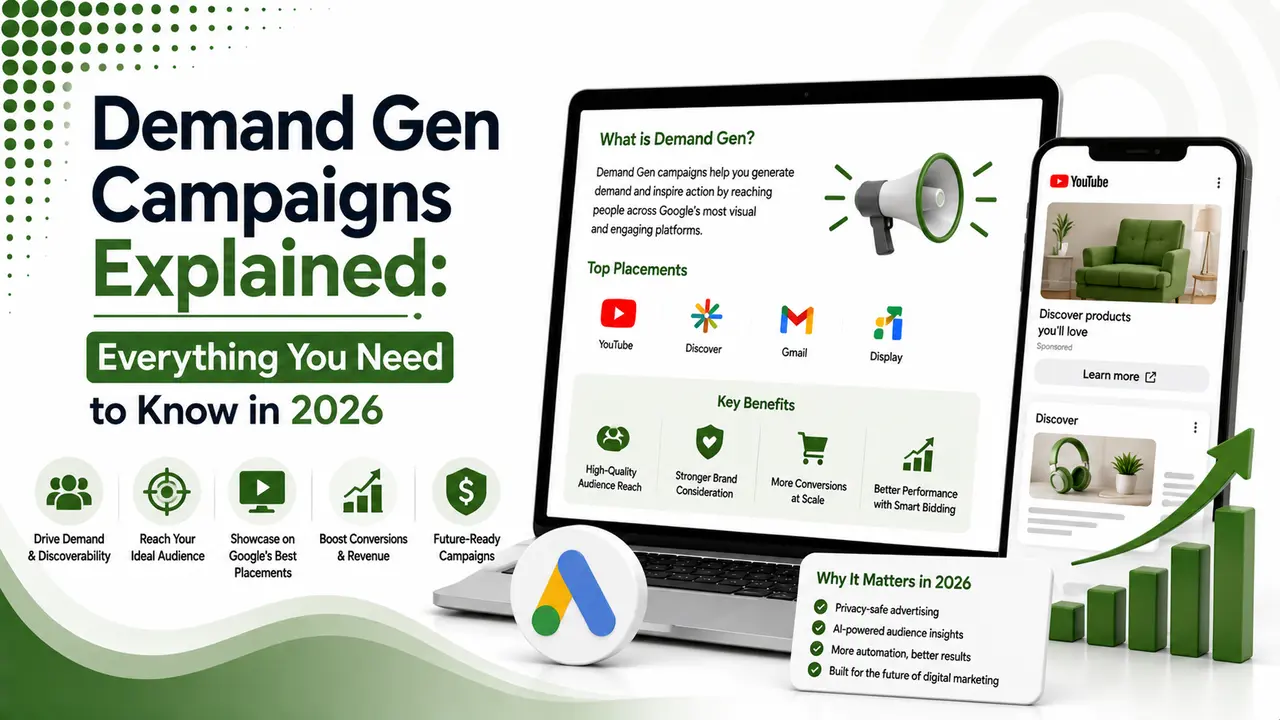
Demand Gen campaigns create demand before the query exists. Here's how they work, what's changing in 2026, and whether your account is ready for one.
Table of Contents
ToggleDemand Gen campaigns are Google's answer to a gap Search and Performance Max can't fill: reaching people before they've typed a single query. Search captures demand that already exists. Demand Gen creates it, with visual, feed-native ads across YouTube, YouTube Shorts, Discover, and Gmail, reaching over 3 billion monthly active users.
It replaced Discovery Ads back in 2023-24, absorbed Video Action Campaigns in 2025, and as of June 2026 it's absorbing standard Display campaigns too. If you're still thinking of this as "the old Discovery format," the feature set underneath has changed substantially.
01What Demand Gen Campaigns Actually Are
Google's own Help Center defines it as campaigns that capture engagement and action across YouTube (including Shorts), Discover, Gmail, Maps, and the Google Display Network, reaching over 3 billion monthly active users with more than 50 billion daily views on Shorts alone.
Kick Ads' 2026 guide draws the clearest functional line: Demand Gen never serves on Google Search results, full stop. It's Google's visual, audience-driven format for reaching people while they browse, watch, or scroll, not while they're actively typing a query.
02Display Campaigns Are Moving Into Demand Gen
This is the biggest structural news for 2026. Google's own announcement confirms it: starting June 2026, eligible advertisers can voluntarily migrate existing Display campaigns into Demand Gen using a migration tool. Later, new campaigns will only be creatable within Demand Gen, and remaining eligible Display campaigns get automatically migrated.
Google's blog post on the change cites a real performance number worth noting: advertisers adding GDN inventory into Demand Gen campaigns saw a 9.5% average increase in ROI, while retaining the option to serve exclusively on the Display Network if that's still what a campaign needs.
Aubado's 2026 guide flags a related shift worth planning around: Google began sunsetting Lookalike segments in Demand Gen starting March 2025, with full removal expected by the end of 2026. The replacement is optimized targeting, which uses your first-party audience as a seed signal rather than a strict similarity match, performing comparably once your seed audience is 5,000+ users.
03Where Demand Gen Fits vs Search and Performance Max
North Country Growth's guide makes the comparison to PMax specific: Performance Max is fully automated across Search, Shopping, Display, YouTube, Discover, and Gmail with minimal transparency. Demand Gen hands back real control, placement-level exclusions, custom audience segments, and lookalike-style targeting, while running only on YouTube, Gmail, Discover, and now Display.
StoreGrowers' guide is blunt about positioning, and worth taking seriously: despite Google adding tROAS bidding to make Demand Gen look conversion-focused, it remains fundamentally a top-of-funnel channel. The placements, in-feed video, Shorts, Discover cards, tell the real story regardless of the bidding options layered on top.
04Budget and Data Requirements
Aubado's practical guidance is specific: Google recommends a daily budget of at least 15 times your target CPA to give the algorithm room to optimize. In practice, most advertisers spending under $50 a day on a single campaign struggle to exit the learning phase; a more realistic starting point is $75 to $150 a day, left running unchanged for at least two weeks.
Store Growers' guide adds a sequencing rule worth following: if your budget is tight, focus on Search and Performance Max first. Add Demand Gen once you have sufficient budget and stable conversion volume elsewhere in the account to support a genuinely top-of-funnel investment.
05Google's Own Best Practices Data
Google's February 2026 Demand Gen Drop shared internal analysis worth building your setup around: advertisers who adopted at least 3 of Google's 4 core best practices saw 40% more conversions on average. The four practices: optimized audience targeting with lookalikes and new-customer acquisition goals, tCPA or tROAS bidding paired with Performance Planner budgets, "Excellent" Ad Strength creative, and sitewide tagging connected through Data Manager.
Feed the algorithm first-party signals, customer match lists and site visitors, before letting it expand into lookalikes.
Use a full product feed for e-commerce, not a thin one with only one or two products, larger catalogs give the system more room to personalize.
Aim for "Excellent" Ad Strength with a comprehensive set of high-quality video and image assets.
Set daily budget at 15x your target CPA minimum, and don't touch the campaign structurally for at least two weeks.
Pair it with Search, using Demand Gen to fill the funnel while Search captures the intent it generates.
06Demand Gen vs Search vs Performance Max
A quick comparison across the three campaign types most accounts weigh against each other.
| Factor | Search | Demand Gen | Performance Max |
|---|---|---|---|
| Captures or creates demand | Captures existing demand | Creates new demand | Both, across all channels |
| Placements | Search results only | YouTube, Discover, Gmail, Display | Search, Shopping, Display, YouTube, Discover, Gmail, Maps |
| Targeting method | Keywords | Audience signals, no keywords | AI-driven, assets + signals |
| Advertiser control | Full, granular | Placement and audience-level control | Minimal, largely automated |
| Funnel position | Bottom-funnel | Mid-to-upper funnel | Full-funnel |
07Is Demand Gen Right for Your Account?
Answer a few quick questions to see if now's the right time to add it.
Is Demand Gen Right for Your Account?
Select the option that matches your situation
08FAQs on Demand Gen Campaigns
No, never. Demand Gen serves exclusively on YouTube, Discover, Gmail, and now the Google Display Network, not on search results pages.
Discovery Ads were replaced by Demand Gen, with the migration completed by March 2024. Demand Gen retains all Discovery functionality plus video, lookalikes, and carousel formats.
Standard Display campaigns are migrating into Demand Gen starting June 2026, though advertisers can still choose to serve exclusively on the Display Network within that structure.
Google recommends at least 15x your target CPA daily. In practice, $75-$150/day is a more realistic starting point for a single campaign to exit the learning phase.
They're not direct substitutes. Demand Gen offers more control and a narrower, mid-funnel focus. PMax is fully automated and spans the entire funnel across all Google channels.
Related Articles
What We Learn Today
Demand Gen never serves on Google Search results
Display campaigns migrate into Demand Gen starting June 2026
Lookalike segments are being replaced by optimized targeting
Adopting 3+ best practices drives 40% more conversions on average
Budget at least 15x target CPA daily to exit learning phase
Best paired with Search to convert the demand it creates
Build a Complete Full-Funnel Google Ads Strategy
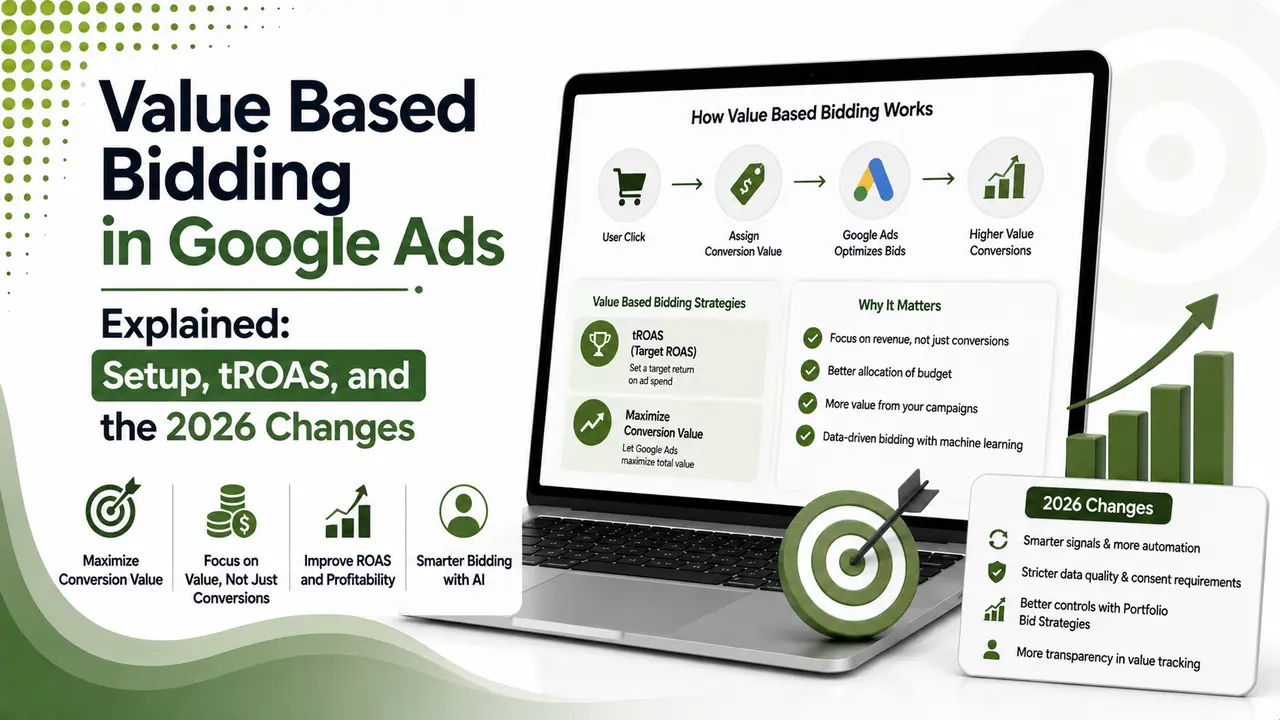
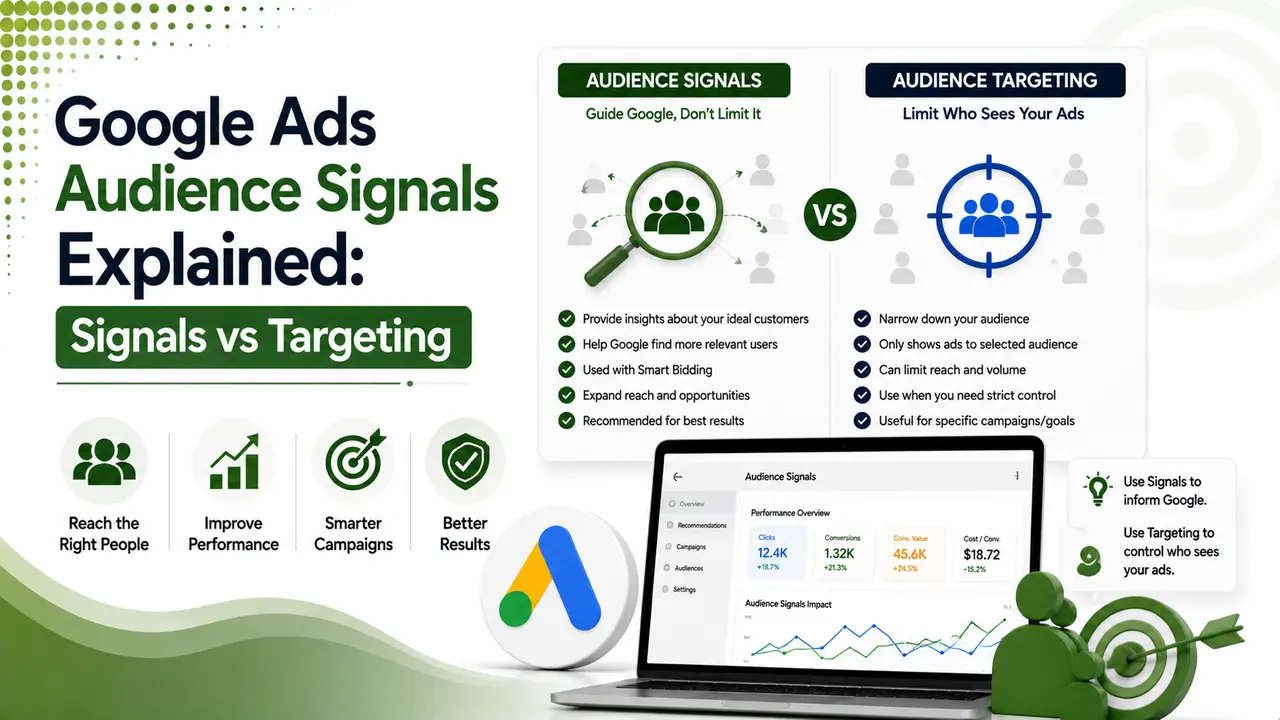
Demand Gen works best alongside Search and value-based bidding. Explore both guides next.
Related Posts

Previous Post
Next Post
Previous Post
Next Post




- Artificial Intelligence
- Content
- Core Web Vitals
- Development
- Digital Marketing
- Display Advertising
- Google Ads
- Google Search Console
- GTM
- HTML
- HTML CSS
- JavaScript
- Keyword Research
- Link Building
- LinkedIn Ads
- Local SEO
- Meta Ads
- Mobile SEO
- Off-Page SEO
- On-Page SEO
- Paid Media
- Paid Media Analytics
- PHP
- PPC Strategy
- Python
- SEO
- SEO Basics
- SEO Tools
- Social
- Technical SEO