
- Home
- SEODiscover the latest updates from across the United States, including politics, culture, economy, and trending stories. Stay informed on the key events shaping the nation and the topics everyone’s talking about.
- Technical SEOLearn technical SEO concepts including crawling, indexing, XML sitemaps, robots.txt, canonical tags, site architecture, and website performance.
- Local SEOOptimize your business for local seo with Google Business Profile, local citations, reviews, maps, and location-based SEO.
- Mobile SEOImprove your website’s mobile seo performance with responsive design, mobile-first indexing, usability, and page speed optimization.
- On-Page SEOExplore on-page seo optimization techniques such as title tags, meta descriptions, headings, URLs, internal linking, and content optimization.
- Off-Page SEODiscover off-page SEO strategies such as backlinks, digital PR, brand mentions, outreach, and authority building.
- SEO ToolsExplore the best SEO tools for keyword research, technical audits, backlink analysis, rank tracking, and website optimization.
- Core Web VitalsLearn how to improve Core Web Vitals including LCP, INP, CLS, page speed, and overall user experience for better rankings.
- Keyword ResearchLearn how to find profitable keywords, analyze search intent, evaluate competition, and build effective keyword strategies.
- Link BuildingMaster ethical link building techniques, backlink analysis, outreach methods, guest posting, and authority growth strategies.
- Google Search ConsoleLearn how to use Google Search Console to monitor indexing, fix errors, analyze search performance, and improve SEO.
- SEO BasicsLearn the fundamentals of search engine optimization (SEO Basics), including how search engines work, SEO terminology, and beginner-friendly best practices.
- Paid Media
- Display AdvertisingLearn display advertising strategies, banner ads, audience targeting, remarketing, Google Display campaigns, and optimization techniques.
- Google AdsLearn Google Ads strategies, campaign setup, bidding, keywords, Performance Max, Search Ads, and optimization techniques.
- LinkedIn AdsLearn LinkedIn Ads strategies for B2B marketing, lead generation, audience targeting, campaign optimization, and paid social advertising.
- Meta AdsLearn Meta Ads strategies for Facebook and Instagram, including campaign setup, targeting, retargeting, and performance optimization.
- Paid Media AnalyticsLearn paid media analytics, including CPC, CTR, CPA, ROAS, conversion tracking, attribution, reporting, and campaign performance analysis.
- PPC StrategyLearn effective PPC strategies, campaign planning, bidding, keyword targeting, landing pages, conversion optimization, and more.
- ContentTransform your living spaces with inspiration, tips, and trends in interior design. From minimalist decor to bold statements, find ideas for every style and budget.
- Social
- Digital MarketingExplore stories and advice on living your best life. From personal growth to entertainment, dive into the latest in lifestyle trends and inspiration.
- Artificial IntelligenceStay informed about health and wellness with expert advice, fitness tips, and the latest medical breakthroughs. Your guide to a healthier and happier life.
- DevelopmentYou will find development related educational articles
- GTMLearn Google Tag Manager (GTM) with practical guides for tags, triggers, variables, tracking, conversions, and website analytics implementation.
- HTMLLearn HTML with simple tutorials, examples, tags, elements, attributes, and best practices for building modern web pages.
- HTML CSSLearn HTML CSS together with practical tutorials, examples, layouts, styling techniques, responsive design, and modern web development practices.
- HTML JSLearn HTML JS – JavaScript with practical tutorials and examples for adding interactivity, dynamic content, events, and functionality to web pages.
- JavaScriptExplore JavaScript tutorials, examples, concepts, and practical techniques for creating interactive and dynamic websites and web applications.
- PHPLearn PHP programming with practical tutorials, examples, functions, syntax, and web development techniques for beginners and developers.
- PythonLearn Python programming with practical tutorials, examples, syntax, functions, automation techniques, and useful programming concepts.
- Home
- SEODiscover the latest updates from across the United States, including politics, culture, economy, and trending stories. Stay informed on the key events shaping the nation and the topics everyone’s talking about.
- Technical SEOLearn technical SEO concepts including crawling, indexing, XML sitemaps, robots.txt, canonical tags, site architecture, and website performance.
- Local SEOOptimize your business for local seo with Google Business Profile, local citations, reviews, maps, and location-based SEO.
- Mobile SEOImprove your website’s mobile seo performance with responsive design, mobile-first indexing, usability, and page speed optimization.
- On-Page SEOExplore on-page seo optimization techniques such as title tags, meta descriptions, headings, URLs, internal linking, and content optimization.
- Off-Page SEODiscover off-page SEO strategies such as backlinks, digital PR, brand mentions, outreach, and authority building.
- SEO ToolsExplore the best SEO tools for keyword research, technical audits, backlink analysis, rank tracking, and website optimization.
- Core Web VitalsLearn how to improve Core Web Vitals including LCP, INP, CLS, page speed, and overall user experience for better rankings.
- Keyword ResearchLearn how to find profitable keywords, analyze search intent, evaluate competition, and build effective keyword strategies.
- Link BuildingMaster ethical link building techniques, backlink analysis, outreach methods, guest posting, and authority growth strategies.
- Google Search ConsoleLearn how to use Google Search Console to monitor indexing, fix errors, analyze search performance, and improve SEO.
- SEO BasicsLearn the fundamentals of search engine optimization (SEO Basics), including how search engines work, SEO terminology, and beginner-friendly best practices.
- Paid Media
- Display AdvertisingLearn display advertising strategies, banner ads, audience targeting, remarketing, Google Display campaigns, and optimization techniques.
- Google AdsLearn Google Ads strategies, campaign setup, bidding, keywords, Performance Max, Search Ads, and optimization techniques.
- LinkedIn AdsLearn LinkedIn Ads strategies for B2B marketing, lead generation, audience targeting, campaign optimization, and paid social advertising.
- Meta AdsLearn Meta Ads strategies for Facebook and Instagram, including campaign setup, targeting, retargeting, and performance optimization.
- Paid Media AnalyticsLearn paid media analytics, including CPC, CTR, CPA, ROAS, conversion tracking, attribution, reporting, and campaign performance analysis.
- PPC StrategyLearn effective PPC strategies, campaign planning, bidding, keyword targeting, landing pages, conversion optimization, and more.
- ContentTransform your living spaces with inspiration, tips, and trends in interior design. From minimalist decor to bold statements, find ideas for every style and budget.
- Social
- Digital MarketingExplore stories and advice on living your best life. From personal growth to entertainment, dive into the latest in lifestyle trends and inspiration.
- Artificial IntelligenceStay informed about health and wellness with expert advice, fitness tips, and the latest medical breakthroughs. Your guide to a healthier and happier life.
- DevelopmentYou will find development related educational articles
- GTMLearn Google Tag Manager (GTM) with practical guides for tags, triggers, variables, tracking, conversions, and website analytics implementation.
- HTMLLearn HTML with simple tutorials, examples, tags, elements, attributes, and best practices for building modern web pages.
- HTML CSSLearn HTML CSS together with practical tutorials, examples, layouts, styling techniques, responsive design, and modern web development practices.
- HTML JSLearn HTML JS – JavaScript with practical tutorials and examples for adding interactivity, dynamic content, events, and functionality to web pages.
- JavaScriptExplore JavaScript tutorials, examples, concepts, and practical techniques for creating interactive and dynamic websites and web applications.
- PHPLearn PHP programming with practical tutorials, examples, functions, syntax, and web development techniques for beginners and developers.
- PythonLearn Python programming with practical tutorials, examples, syntax, functions, automation techniques, and useful programming concepts.
Now Reading: Prompt Engineering for Marketing Professionals: The Complete 2026 Guide
-
01
Prompt Engineering for Marketing Professionals: The Complete 2026 Guide
- Home//
- SEO//Discover the latest updates from across the United States, including politics, culture, economy, and trending stories. Stay informed on the key events shaping the nation and the topics everyone’s talking about.
- Technical SEO//Learn technical SEO concepts including crawling, indexing, XML sitemaps, robots.txt, canonical tags, site architecture, and website performance.
- Local SEO//Optimize your business for local seo with Google Business Profile, local citations, reviews, maps, and location-based SEO.
- Mobile SEO//Improve your website’s mobile seo performance with responsive design, mobile-first indexing, usability, and page speed optimization.
- On-Page SEO//Explore on-page seo optimization techniques such as title tags, meta descriptions, headings, URLs, internal linking, and content optimization.
- Off-Page SEO//Discover off-page SEO strategies such as backlinks, digital PR, brand mentions, outreach, and authority building.
- SEO Tools//Explore the best SEO tools for keyword research, technical audits, backlink analysis, rank tracking, and website optimization.
- Core Web Vitals//Learn how to improve Core Web Vitals including LCP, INP, CLS, page speed, and overall user experience for better rankings.
- Keyword Research//Learn how to find profitable keywords, analyze search intent, evaluate competition, and build effective keyword strategies.
- Link Building//Master ethical link building techniques, backlink analysis, outreach methods, guest posting, and authority growth strategies.
- Google Search Console//Learn how to use Google Search Console to monitor indexing, fix errors, analyze search performance, and improve SEO.
- SEO Basics//Learn the fundamentals of search engine optimization (SEO Basics), including how search engines work, SEO terminology, and beginner-friendly best practices.
- Paid Media//
- Display Advertising//Learn display advertising strategies, banner ads, audience targeting, remarketing, Google Display campaigns, and optimization techniques.
- Google Ads//Learn Google Ads strategies, campaign setup, bidding, keywords, Performance Max, Search Ads, and optimization techniques.
- LinkedIn Ads//Learn LinkedIn Ads strategies for B2B marketing, lead generation, audience targeting, campaign optimization, and paid social advertising.
- Meta Ads//Learn Meta Ads strategies for Facebook and Instagram, including campaign setup, targeting, retargeting, and performance optimization.
- Paid Media Analytics//Learn paid media analytics, including CPC, CTR, CPA, ROAS, conversion tracking, attribution, reporting, and campaign performance analysis.
- PPC Strategy//Learn effective PPC strategies, campaign planning, bidding, keyword targeting, landing pages, conversion optimization, and more.
- Content//Transform your living spaces with inspiration, tips, and trends in interior design. From minimalist decor to bold statements, find ideas for every style and budget.
- Social//
- Digital Marketing//Explore stories and advice on living your best life. From personal growth to entertainment, dive into the latest in lifestyle trends and inspiration.
- Artificial Intelligence//Stay informed about health and wellness with expert advice, fitness tips, and the latest medical breakthroughs. Your guide to a healthier and happier life.
- Development//You will find development related educational articles
- GTM//Learn Google Tag Manager (GTM) with practical guides for tags, triggers, variables, tracking, conversions, and website analytics implementation.
- HTML//Learn HTML with simple tutorials, examples, tags, elements, attributes, and best practices for building modern web pages.
- HTML CSS//Learn HTML CSS together with practical tutorials, examples, layouts, styling techniques, responsive design, and modern web development practices.
- HTML JS//Learn HTML JS – JavaScript with practical tutorials and examples for adding interactivity, dynamic content, events, and functionality to web pages.
- JavaScript//Explore JavaScript tutorials, examples, concepts, and practical techniques for creating interactive and dynamic websites and web applications.
- PHP//Learn PHP programming with practical tutorials, examples, functions, syntax, and web development techniques for beginners and developers.
- Python//Learn Python programming with practical tutorials, examples, syntax, functions, automation techniques, and useful programming concepts.
- Home
- Paid Media
- Prompt Engineering for Marketing Professionals: The Complete 2026 Guide
Prompt Engineering for Marketing Professionals: The Complete 2026 Guide

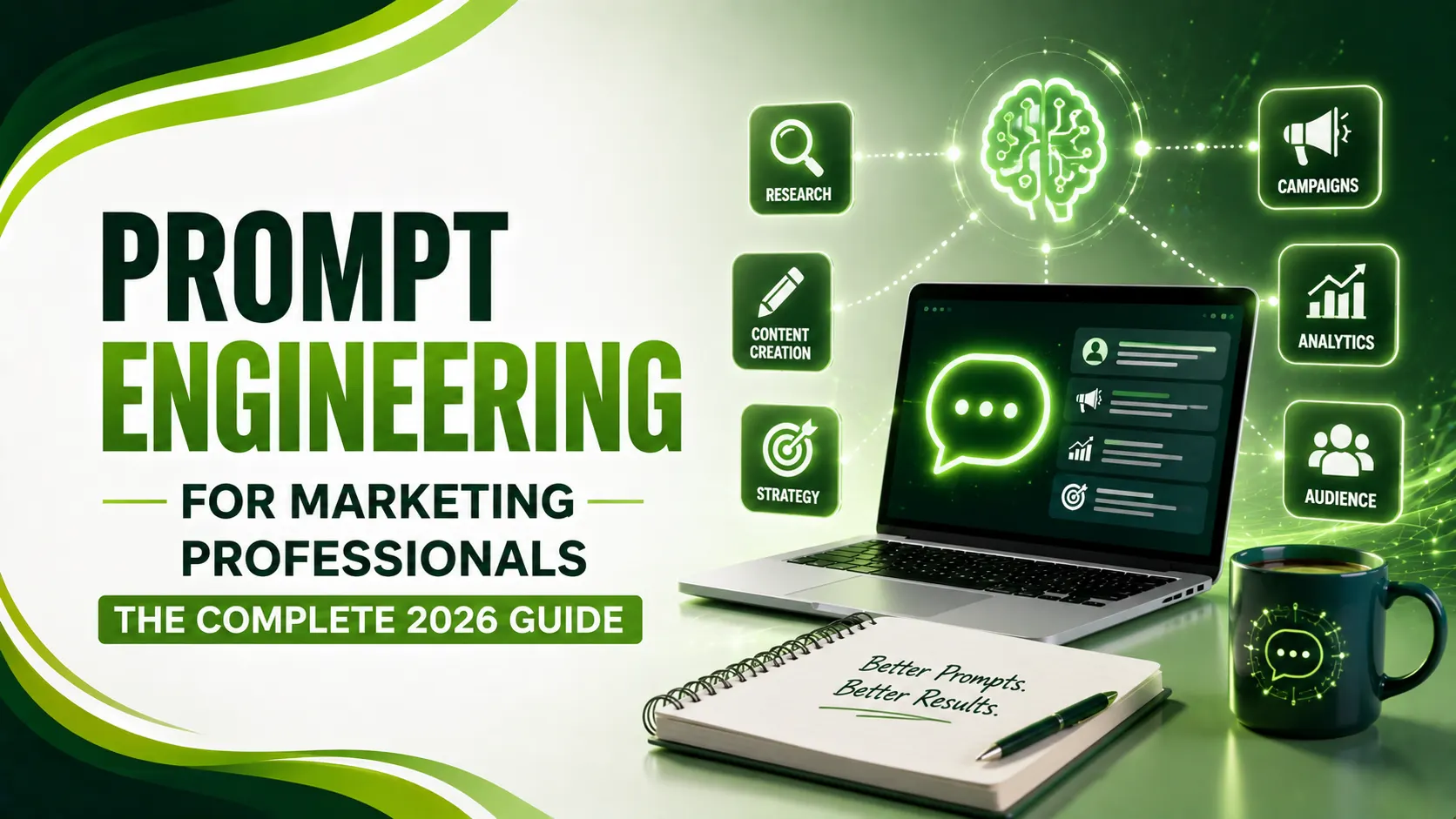
Prompt engineering for marketing professionals isn't about clever phrasing — it's structure. Here's the five-element framework and the numbers behind it.
Table of Contents
TogglePrompt engineering for marketing professionals is the skill that separates teams getting usable, on-brand output from those rewriting AI drafts at midnight. It's not about typing cleverer requests, it's about directing the scene: giving the model a role, real context, a clear task, and a defined format before it ever starts generating.
The gap this creates is measurable. Teams that include brand guidelines directly in their prompts report cutting editing time by 60 to 70%. LinkedIn has tracked a 340% increase in job postings requiring AI marketing skills over the past 18 months.
Here's the actual five-element framework worth learning, the techniques that compound over time, and where most marketers go wrong.
01Prompt Engineering for Marketing Professionals, Defined
Erlin's guide draws the clean line: regular prompting is asking AI questions casually, like "write a blog post about marketing." Prompt engineering is systematically designing prompts with clear structure, role, task, context, format, and constraints, to get consistent, high-quality results.
EICTA Consortium's guide frames why this matters specifically for marketers: the advantage in 2026 isn't having AI, it's knowing how to direct it. Marketers getting above-expectation output aren't typing better requests, they're directing the scene.
02The Five-Element Framework
Win In Life Academy's guide breaks the five elements down clearly: context (what's happening, where the output will run), role (assign the AI a specific identity, a copywriter thinks differently than an SEO strategist), task, format, and constraints.
The same guide illustrates the context element with a direct comparison. Weak: "Write a social media post about our new course." Better: "We're launching a 6-week digital marketing course aimed at early-career professionals in India. The post will run on Instagram a week before enrollment closes." The second version tells the AI what universe the post lives in.
Kreativa Group's guide found that a well-engineered prompt for a B2B paid media brief typically includes the target industry, decision-maker persona, desired tone, output format, word count constraints, and a sample of existing brand language, all within a single structured input. That level of intentionality is what separates teams using AI efficiently from those spending hours manually editing generic output.
03Named Frameworks Worth Knowing
TalentGro Global's guide covers twelve proven structures, starting simple and scaling up: RTF (Role, Task, Format) for quick tasks, RACE for structured campaigns, and SCOPE (Scenario, Constraints, Objective, Persona, Examples) when nothing should be left to assumption.
Skai's guide offers a marketing-specific alternative worth trying: the TRIM method, Task, Relevant context, Intent, and Measurable criteria, designed to get decision-ready answers instead of vague summaries or generic best practices.
04Advanced Techniques That Actually Move the Needle
Pasquale Pillitteri's guide covers the most-cited research in the field: Jason Wei and the Google Brain team showed that simply asking a model to "think step by step" before answering makes its mathematical and logical reasoning capabilities improve dramatically, a technique called chain-of-thought prompting.
ClickForest's guide names the highest-impact techniques for complex marketing scenarios specifically: chain-of-verification, multi-perspective reasoning, and prompt orchestration. Start with one technique and scale gradually rather than trying to master all of them simultaneously.
05Channel-Specific Prompting Actually Matters
Pertama Partners' guide is specific about why one prompt template doesn't fit every channel: LinkedIn content needs professional tone and a target length around 1,300-1,700 characters for algorithmic reach, while email prompts need subject line limits, preview text requirements, and CTA placement preferences defined upfront.
The same guide extends this to paid media specifically: Google Ads or Meta campaign prompts require headline character limits, regulatory disclosure requirements, and performance benchmark context pulled from previous campaigns, not generic ad copy requests.
06Building a Reusable Prompt Library
5Day's guide recommends using variable-based prompts specifically because they're easier to reuse consistently, especially valuable for agencies handling repeated work across several clients with different but similar needs.
The same guide adds a discipline worth adopting: the best prompt library is tested, not just collected. Save the prompt, the use case, and a note on output quality, so the library actually improves over time instead of accumulating untested guesses.
07Example: A Structured Marketing Prompt
Here's what a well-engineered brand-voice prompt looks like in practice, combining role, context, constraints, and format in one structured request.
Role: You are a senior B2B copywriter for [Company Name],
a marketing analytics platform for mid-market SaaS companies.

Brand voice: Professional but warm, data-informed but accessible,
confident but never arrogant. Never use buzzwords, never use
exclamation marks, always cite specific numbers over vague claims.

Context: We're announcing a new attribution reporting feature.
This will run on LinkedIn to an audience of marketing directors
and VPs at Series B-D SaaS companies.

Task: Write a LinkedIn post announcing the feature.

Constraints: Maximum 180 words. No hashtags. End with a
genuine question to drive comments, not a generic CTA.

Format: Plain text, 3 short paragraphs.
08Building the Habit
A short list to turn prompt engineering into a durable team skill rather than one-off experimentation.
Start with one repeated task where current AI output isn't satisfying, don't try to overhaul every workflow at once.
Apply the five-element framework and compare the new output directly against what you were getting before.
Save improved prompts as templates, with the use case and a quality note attached, not just the raw prompt text.
Match the framework to the channel, LinkedIn, email, and paid ads each need different constraints defined upfront.
Keep the thinking human, prompts support judgment, they don't replace it. This ties directly into how AI agents are being deployed across marketing teams more broadly.
09How Strong Are Your Prompting Habits?
Answer a few quick questions to check where your current practice stands.
How Strong Are Your Prompting Habits?
Select the option that matches your current approach
10Common Questions
No. Prompt engineering is a communication and structuring skill. If you can write a detailed content brief, you can engineer effective prompts.
RTF (Role, Task, Format) is the simplest starting point. Graduate to more comprehensive frameworks like RISEN or SCOPE as your needs grow more complex.
Yes. Teams that include brand guidelines directly in their prompts report reducing editing time by 60 to 70%, since the output needs far less manual correction afterward.
No. LinkedIn, email, SEO content, and paid ads each need distinct constraints, length, tone, character limits, defined specifically in the prompt for that channel.
Most people see significant improvement within a few hours of deliberate practice. Basics like role assignment and format instructions can be learned in an afternoon; mastery of advanced techniques takes longer.
Related Articles
What We Learn Today
Prompt engineering means structured requests, not casual asking
Five elements cover almost every marketing prompt: role, context, task, format, constraints
Brand voice embedded in prompts cuts editing time significantly
Chain-of-thought prompting improves reasoning on complex tasks
Each marketing channel needs its own prompt constraints
A tested prompt library compounds value over time
Build a Complete AI-Powered Marketing Workflow
Prompt engineering pairs naturally with agentic workflows and AI search visibility. Explore both guides next.
Related Posts
Previous Post
Next Post
Previous Post
Next Post





- Artificial Intelligence
- Content
- Core Web Vitals
- Development
- Digital Marketing
- Display Advertising
- Google Ads
- Google Search Console
- GTM
- HTML
- HTML CSS
- JavaScript
- Keyword Research
- Link Building
- LinkedIn Ads
- Local SEO
- Meta Ads
- Mobile SEO
- Off-Page SEO
- On-Page SEO
- Paid Media
- Paid Media Analytics
- PHP
- PPC Strategy
- Python
- SEO
- SEO Basics
- SEO Tools
- Social
- Technical SEO