
- Home
- SEODiscover the latest updates from across the United States, including politics, culture, economy, and trending stories. Stay informed on the key events shaping the nation and the topics everyone’s talking about.
- Technical SEOLearn technical SEO concepts including crawling, indexing, XML sitemaps, robots.txt, canonical tags, site architecture, and website performance.
- Local SEOOptimize your business for local seo with Google Business Profile, local citations, reviews, maps, and location-based SEO.
- Mobile SEOImprove your website’s mobile seo performance with responsive design, mobile-first indexing, usability, and page speed optimization.
- On-Page SEOExplore on-page seo optimization techniques such as title tags, meta descriptions, headings, URLs, internal linking, and content optimization.
- Off-Page SEODiscover off-page SEO strategies such as backlinks, digital PR, brand mentions, outreach, and authority building.
- SEO ToolsExplore the best SEO tools for keyword research, technical audits, backlink analysis, rank tracking, and website optimization.
- Core Web VitalsLearn how to improve Core Web Vitals including LCP, INP, CLS, page speed, and overall user experience for better rankings.
- Keyword ResearchLearn how to find profitable keywords, analyze search intent, evaluate competition, and build effective keyword strategies.
- Link BuildingMaster ethical link building techniques, backlink analysis, outreach methods, guest posting, and authority growth strategies.
- Google Search ConsoleLearn how to use Google Search Console to monitor indexing, fix errors, analyze search performance, and improve SEO.
- SEO BasicsLearn the fundamentals of search engine optimization (SEO Basics), including how search engines work, SEO terminology, and beginner-friendly best practices.
- Paid Media
- Display AdvertisingLearn display advertising strategies, banner ads, audience targeting, remarketing, Google Display campaigns, and optimization techniques.
- Google AdsLearn Google Ads strategies, campaign setup, bidding, keywords, Performance Max, Search Ads, and optimization techniques.
- LinkedIn AdsLearn LinkedIn Ads strategies for B2B marketing, lead generation, audience targeting, campaign optimization, and paid social advertising.
- Meta AdsLearn Meta Ads strategies for Facebook and Instagram, including campaign setup, targeting, retargeting, and performance optimization.
- Paid Media AnalyticsLearn paid media analytics, including CPC, CTR, CPA, ROAS, conversion tracking, attribution, reporting, and campaign performance analysis.
- PPC StrategyLearn effective PPC strategies, campaign planning, bidding, keyword targeting, landing pages, conversion optimization, and more.
- ContentTransform your living spaces with inspiration, tips, and trends in interior design. From minimalist decor to bold statements, find ideas for every style and budget.
- Social
- Digital MarketingExplore stories and advice on living your best life. From personal growth to entertainment, dive into the latest in lifestyle trends and inspiration.
- Artificial IntelligenceStay informed about health and wellness with expert advice, fitness tips, and the latest medical breakthroughs. Your guide to a healthier and happier life.
- DevelopmentYou will find development related educational articles
- GTMLearn Google Tag Manager (GTM) with practical guides for tags, triggers, variables, tracking, conversions, and website analytics implementation.
- HTMLLearn HTML with simple tutorials, examples, tags, elements, attributes, and best practices for building modern web pages.
- HTML CSSLearn HTML CSS together with practical tutorials, examples, layouts, styling techniques, responsive design, and modern web development practices.
- HTML JSLearn HTML JS – JavaScript with practical tutorials and examples for adding interactivity, dynamic content, events, and functionality to web pages.
- JavaScriptExplore JavaScript tutorials, examples, concepts, and practical techniques for creating interactive and dynamic websites and web applications.
- PHPLearn PHP programming with practical tutorials, examples, functions, syntax, and web development techniques for beginners and developers.
- PythonLearn Python programming with practical tutorials, examples, syntax, functions, automation techniques, and useful programming concepts.
- Home
- SEODiscover the latest updates from across the United States, including politics, culture, economy, and trending stories. Stay informed on the key events shaping the nation and the topics everyone’s talking about.
- Technical SEOLearn technical SEO concepts including crawling, indexing, XML sitemaps, robots.txt, canonical tags, site architecture, and website performance.
- Local SEOOptimize your business for local seo with Google Business Profile, local citations, reviews, maps, and location-based SEO.
- Mobile SEOImprove your website’s mobile seo performance with responsive design, mobile-first indexing, usability, and page speed optimization.
- On-Page SEOExplore on-page seo optimization techniques such as title tags, meta descriptions, headings, URLs, internal linking, and content optimization.
- Off-Page SEODiscover off-page SEO strategies such as backlinks, digital PR, brand mentions, outreach, and authority building.
- SEO ToolsExplore the best SEO tools for keyword research, technical audits, backlink analysis, rank tracking, and website optimization.
- Core Web VitalsLearn how to improve Core Web Vitals including LCP, INP, CLS, page speed, and overall user experience for better rankings.
- Keyword ResearchLearn how to find profitable keywords, analyze search intent, evaluate competition, and build effective keyword strategies.
- Link BuildingMaster ethical link building techniques, backlink analysis, outreach methods, guest posting, and authority growth strategies.
- Google Search ConsoleLearn how to use Google Search Console to monitor indexing, fix errors, analyze search performance, and improve SEO.
- SEO BasicsLearn the fundamentals of search engine optimization (SEO Basics), including how search engines work, SEO terminology, and beginner-friendly best practices.
- Paid Media
- Display AdvertisingLearn display advertising strategies, banner ads, audience targeting, remarketing, Google Display campaigns, and optimization techniques.
- Google AdsLearn Google Ads strategies, campaign setup, bidding, keywords, Performance Max, Search Ads, and optimization techniques.
- LinkedIn AdsLearn LinkedIn Ads strategies for B2B marketing, lead generation, audience targeting, campaign optimization, and paid social advertising.
- Meta AdsLearn Meta Ads strategies for Facebook and Instagram, including campaign setup, targeting, retargeting, and performance optimization.
- Paid Media AnalyticsLearn paid media analytics, including CPC, CTR, CPA, ROAS, conversion tracking, attribution, reporting, and campaign performance analysis.
- PPC StrategyLearn effective PPC strategies, campaign planning, bidding, keyword targeting, landing pages, conversion optimization, and more.
- ContentTransform your living spaces with inspiration, tips, and trends in interior design. From minimalist decor to bold statements, find ideas for every style and budget.
- Social
- Digital MarketingExplore stories and advice on living your best life. From personal growth to entertainment, dive into the latest in lifestyle trends and inspiration.
- Artificial IntelligenceStay informed about health and wellness with expert advice, fitness tips, and the latest medical breakthroughs. Your guide to a healthier and happier life.
- DevelopmentYou will find development related educational articles
- GTMLearn Google Tag Manager (GTM) with practical guides for tags, triggers, variables, tracking, conversions, and website analytics implementation.
- HTMLLearn HTML with simple tutorials, examples, tags, elements, attributes, and best practices for building modern web pages.
- HTML CSSLearn HTML CSS together with practical tutorials, examples, layouts, styling techniques, responsive design, and modern web development practices.
- HTML JSLearn HTML JS – JavaScript with practical tutorials and examples for adding interactivity, dynamic content, events, and functionality to web pages.
- JavaScriptExplore JavaScript tutorials, examples, concepts, and practical techniques for creating interactive and dynamic websites and web applications.
- PHPLearn PHP programming with practical tutorials, examples, functions, syntax, and web development techniques for beginners and developers.
- PythonLearn Python programming with practical tutorials, examples, syntax, functions, automation techniques, and useful programming concepts.
Now Reading: How to Build Topic Clusters That Rank on Google
-
01
How to Build Topic Clusters That Rank on Google
- Home//
- SEO//Discover the latest updates from across the United States, including politics, culture, economy, and trending stories. Stay informed on the key events shaping the nation and the topics everyone’s talking about.
- Technical SEO//Learn technical SEO concepts including crawling, indexing, XML sitemaps, robots.txt, canonical tags, site architecture, and website performance.
- Local SEO//Optimize your business for local seo with Google Business Profile, local citations, reviews, maps, and location-based SEO.
- Mobile SEO//Improve your website’s mobile seo performance with responsive design, mobile-first indexing, usability, and page speed optimization.
- On-Page SEO//Explore on-page seo optimization techniques such as title tags, meta descriptions, headings, URLs, internal linking, and content optimization.
- Off-Page SEO//Discover off-page SEO strategies such as backlinks, digital PR, brand mentions, outreach, and authority building.
- SEO Tools//Explore the best SEO tools for keyword research, technical audits, backlink analysis, rank tracking, and website optimization.
- Core Web Vitals//Learn how to improve Core Web Vitals including LCP, INP, CLS, page speed, and overall user experience for better rankings.
- Keyword Research//Learn how to find profitable keywords, analyze search intent, evaluate competition, and build effective keyword strategies.
- Link Building//Master ethical link building techniques, backlink analysis, outreach methods, guest posting, and authority growth strategies.
- Google Search Console//Learn how to use Google Search Console to monitor indexing, fix errors, analyze search performance, and improve SEO.
- SEO Basics//Learn the fundamentals of search engine optimization (SEO Basics), including how search engines work, SEO terminology, and beginner-friendly best practices.
- Paid Media//
- Display Advertising//Learn display advertising strategies, banner ads, audience targeting, remarketing, Google Display campaigns, and optimization techniques.
- Google Ads//Learn Google Ads strategies, campaign setup, bidding, keywords, Performance Max, Search Ads, and optimization techniques.
- LinkedIn Ads//Learn LinkedIn Ads strategies for B2B marketing, lead generation, audience targeting, campaign optimization, and paid social advertising.
- Meta Ads//Learn Meta Ads strategies for Facebook and Instagram, including campaign setup, targeting, retargeting, and performance optimization.
- Paid Media Analytics//Learn paid media analytics, including CPC, CTR, CPA, ROAS, conversion tracking, attribution, reporting, and campaign performance analysis.
- PPC Strategy//Learn effective PPC strategies, campaign planning, bidding, keyword targeting, landing pages, conversion optimization, and more.
- Content//Transform your living spaces with inspiration, tips, and trends in interior design. From minimalist decor to bold statements, find ideas for every style and budget.
- Social//
- Digital Marketing//Explore stories and advice on living your best life. From personal growth to entertainment, dive into the latest in lifestyle trends and inspiration.
- Artificial Intelligence//Stay informed about health and wellness with expert advice, fitness tips, and the latest medical breakthroughs. Your guide to a healthier and happier life.
- Development//You will find development related educational articles
- GTM//Learn Google Tag Manager (GTM) with practical guides for tags, triggers, variables, tracking, conversions, and website analytics implementation.
- HTML//Learn HTML with simple tutorials, examples, tags, elements, attributes, and best practices for building modern web pages.
- HTML CSS//Learn HTML CSS together with practical tutorials, examples, layouts, styling techniques, responsive design, and modern web development practices.
- HTML JS//Learn HTML JS – JavaScript with practical tutorials and examples for adding interactivity, dynamic content, events, and functionality to web pages.
- JavaScript//Explore JavaScript tutorials, examples, concepts, and practical techniques for creating interactive and dynamic websites and web applications.
- PHP//Learn PHP programming with practical tutorials, examples, functions, syntax, and web development techniques for beginners and developers.
- Python//Learn Python programming with practical tutorials, examples, syntax, functions, automation techniques, and useful programming concepts.

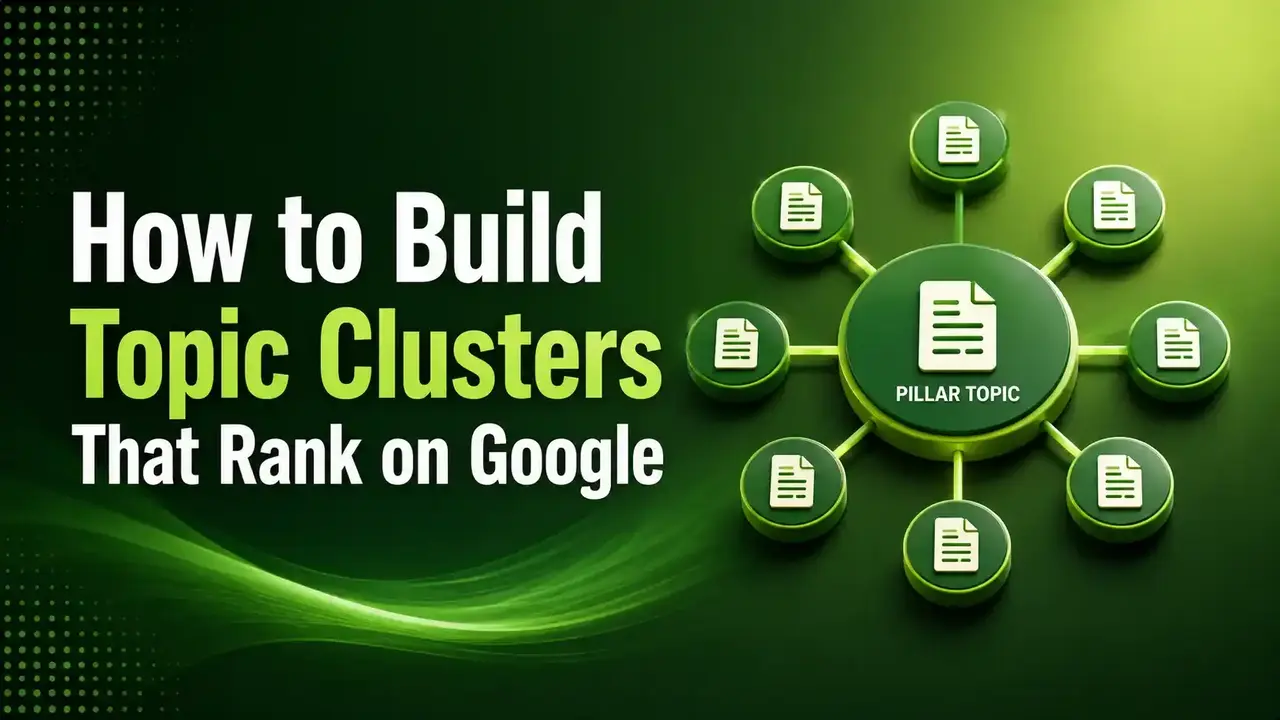
A genuine step-by-step build: validate the topic, map subtopics by intent (not keyword variation), structure the pillar-cluster-support hierarchy, and connect it all with real internal linking with a worked email marketing example throughout.
Table of Contents
ToggleHubSpot's own blog once had thousands of pages competing against each other for the same searches. Restructuring into topic clusters fixed that. This guide walks through the exact seven-step process, with a real worked example, so you can build a cluster that actually ranks instead of just adding more disconnected pages to your site.
Building topic clusters that rank on Google requires validating a core topic has enough search demand and subtopic depth, mapping subtopics by intent rather than keyword variation, writing a comprehensive pillar page, creating focused cluster pages, and connecting everything through deliberate internal linking.
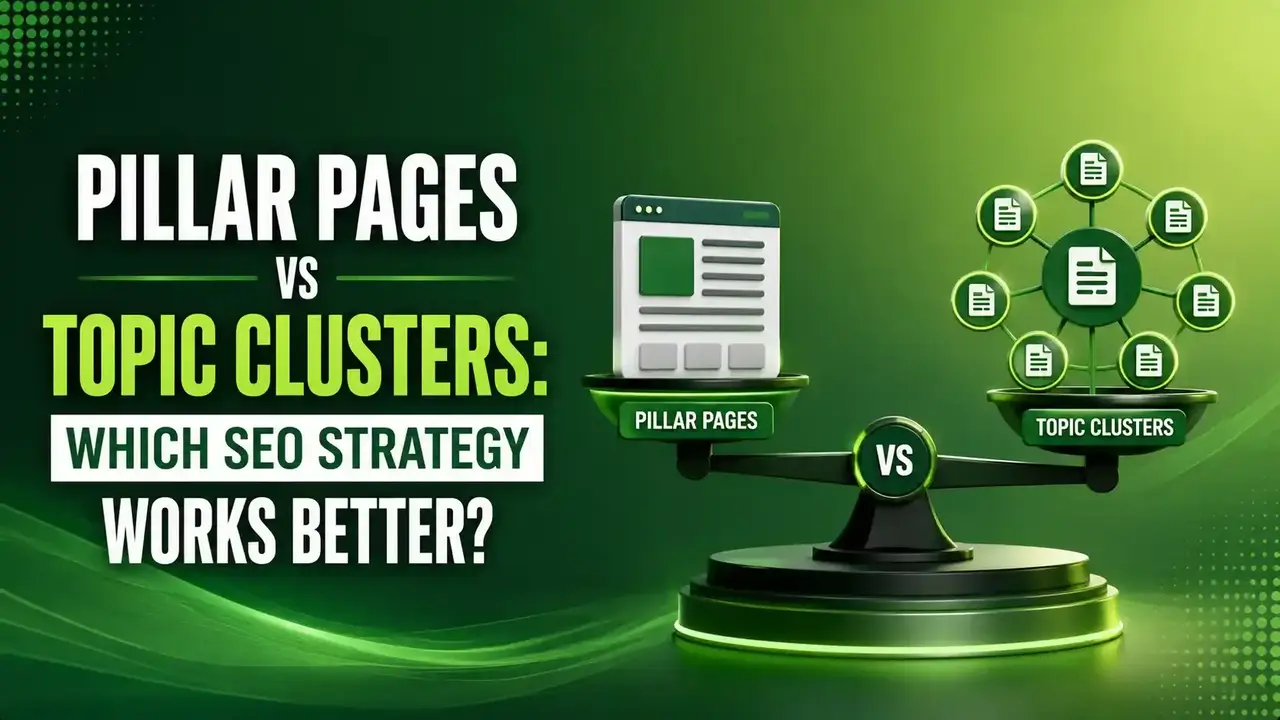
We covered the underlying structure in our pillar pages vs topic clusters guide. This article is the execution: the actual steps, in order, with a working example.
steps take a topic from initial idea to a fully linked, published cluster
distinct subtopics needed before a topic is broad enough to justify a cluster
monthly searches is a reasonable minimum threshold for the core topic itself
Step 1: Validate the Core Topic
Check Search Demand
According to SEOScore's guide to content clusters and internal linking, the core topic should show meaningful search demand, typically 1,000 or more monthly searches, confirmed using Google Keyword Planner, Ahrefs, or Semrush.
Check Subtopic Depth
List every possible subtopic. If you can identify fewer than 5, the topic is too narrow for a cluster. If you count 20 or more, consider splitting into multiple separate clusters instead of one overloaded structure.
Check Business Relevance
According to SEOScore's guide referenced above, a cluster that drives traffic with no connection to your actual product, service, or expertise is a vanity metric, not a business asset.
Step 2: List Subtopics by Intent, Not Just Keyword Variation
According to Wellows' guide to building topic clusters in 2026, this is where most clusters go wrong. Grouping by loosely related keyword phrases produces overlapping, redundant pages rather than genuinely distinct content.
"Email marketing tips," "email marketing best practices," and "email marketing advice" all target the same reader intent, producing three competing pages instead of one strong one.
"Email segmentation strategies," "A/B testing subject lines," and "email automation workflows" each answer a genuinely distinct question, giving each page a clear, non-overlapping job.
Step 3: Map the Cluster Before Writing Anything
According to HubSpot's guide to keyword clustering for topic authority, a three-tier structure keeps the map organized: the pillar, cluster pages, and narrower supporting content underneath each cluster page.
PILLAR: Email Marketing (the complete guide)
  ├─ CLUSTER: Email Segmentation Strategies
  │    └─ SUPPORT: Segmentation examples by industry
  ├─ CLUSTER: A/B Testing Subject Lines
  │    └─ SUPPORT: Subject line swipe file
  ├─ CLUSTER: Email Automation Workflows
  │    └─ SUPPORT: Automation platform comparison
  └─ CLUSTER: Measuring Email Marketing ROI
A real worked example: one pillar, four cluster pages, two supporting pages beneath specific clusters
Step 4: Write the Pillar Page as an Overview Hub
According to 310 Creative's step-by-step guide to SEO topic clusters, the pillar page should provide a thorough overview capturing top-of-funnel searchers, not attempt to cover every subtopic in exhaustive depth itself.
A reader should walk away from the pillar page alone with a complete, if high-level, understanding of the topic, even without clicking into a single cluster page.
Step 5: Write Cluster Pages With One Job Each
| Page Type | Job | Typical Length |
|---|---|---|
| Pillar page | Broad overview, hub for all clusters | 2,500-5,000 words |
| Cluster page | Deep dive on one specific subtopic | 1,200-2,000 words |
| Supporting page | Highly specific answer (FAQ, glossary, data) | 300-800 words |
Step 6: Connect Everything With Deliberate Internal Linking
According to Brafton's guide to a topic cluster content strategy, every cluster page should link back to the pillar using carefully selected anchor text, and related cluster pages should link to each other whenever genuinely relevant.
// In the "A/B Testing Subject Lines" cluster page:
"Once your subject lines are optimized, review your
<a href="/email-segmentation-strategies">segmentation
strategy</a> to make sure the right people see them."

// In the pillar page, linking down to every cluster:
"Learn more about <a href="/ab-testing-subject-lines">A/B
testing subject lines</a> in our dedicated guide."
Descriptive anchor text, not "click here," on links running in both directions between pillar and cluster
Step 7: Measure and Iterate
According to Frase's guide to building a topic cluster for traffic and authority, track keyword rankings across every page in the cluster, internal link click-throughs, and increasingly, AI citation appearances across ChatGPT, Perplexity, and Google AI Overviews.
Cluster Viability Checker
Score your topic idea before investing time building it out.
Cluster Viability Checker
Select the option that matches your topic for each factor
Common Mistakes When Building Topic Clusters
According to HubSpot's guide to topic clusters as the next evolution of SEO, assigning unique keywords to each page prevents cannibalization, one of the most common failures when multiple cluster pages accidentally compete for the same query.
According to Backlinko's guide to topic clusters with real examples, skipping the mapping step and writing pages reactively, one at a time without a plan, consistently produces gaps and overlaps a properly mapped cluster would have avoided entirely.
FAQs on Building Topic Clusters
Related Articles
> what_we_learn_today.log
Validate search volume and subtopic depth before committing to a cluster
Group subtopics by intent, not surface-level keyword variation
Map the full cluster structure before writing a single page
Pillar pages overview; cluster pages go deep on one specific job
Internal linking with descriptive anchor text ties the structure together
Track rankings, link clicks, and AI citations, then iterate on gaps
Related Posts

Previous Post
Next Post
Previous Post
Next Post





- Artificial Intelligence
- Content
- Core Web Vitals
- Development
- Digital Marketing
- Display Advertising
- Google Ads
- Google Search Console
- GTM
- HTML
- HTML CSS
- JavaScript
- Keyword Research
- Link Building
- LinkedIn Ads
- Local SEO
- Meta Ads
- Mobile SEO
- Off-Page SEO
- On-Page SEO
- Paid Media
- Paid Media Analytics
- PHP
- PPC Strategy
- Python
- SEO
- SEO Basics
- SEO Tools
- Social
- Technical SEO