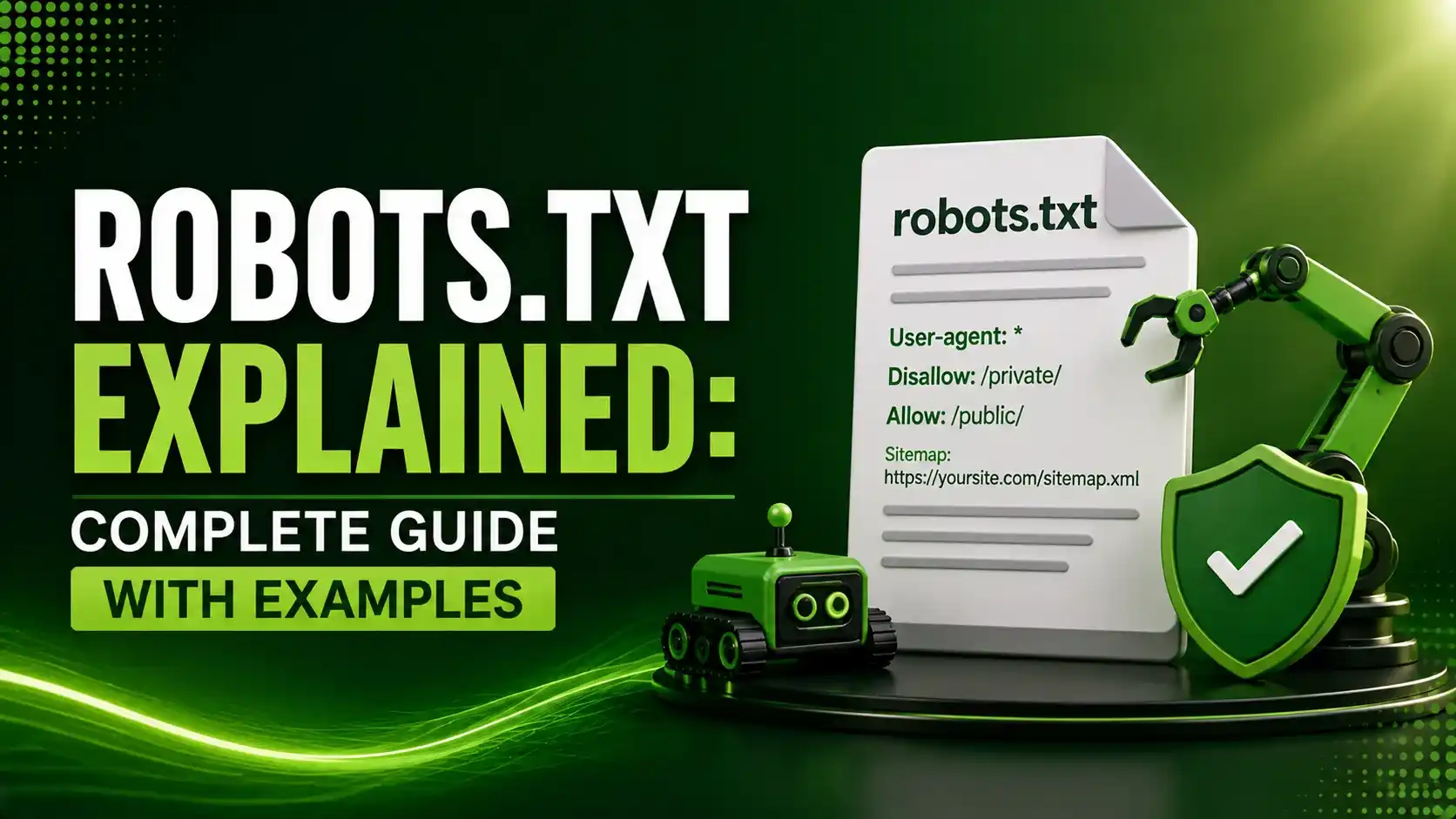
Robots.txt is a plain-text file that controls billions of dollars of traffic daily. Here's the complete syntax, real 2026 AI crawler blocking rules (GPTBot, ClaudeBot), wildcard patterns, and a rule tester to check your own directives.



Robots.txt is a plain-text file that controls billions of dollars of traffic daily. Here's the complete syntax, real 2026 AI crawler blocking rules (GPTBot, ClaudeBot), wildcard patterns, and a rule tester to check your own directives.

The top 5 results for most keywords say the same thing in different words. Information gain rewards content that doesn't. Here's what Google's actual patent says (and doesn't), a 5-dimension scoring rubric, and the Zero-Copy Audit technique to check your own drafts.
A trending post spikes for two weeks and vanishes. An evergreen post from 2023 can still drive thousands of visits in 2026. Here's what actually makes content evergreen, real examples, the maintenance myth worth correcting, and a checker tool for your topic ideas.
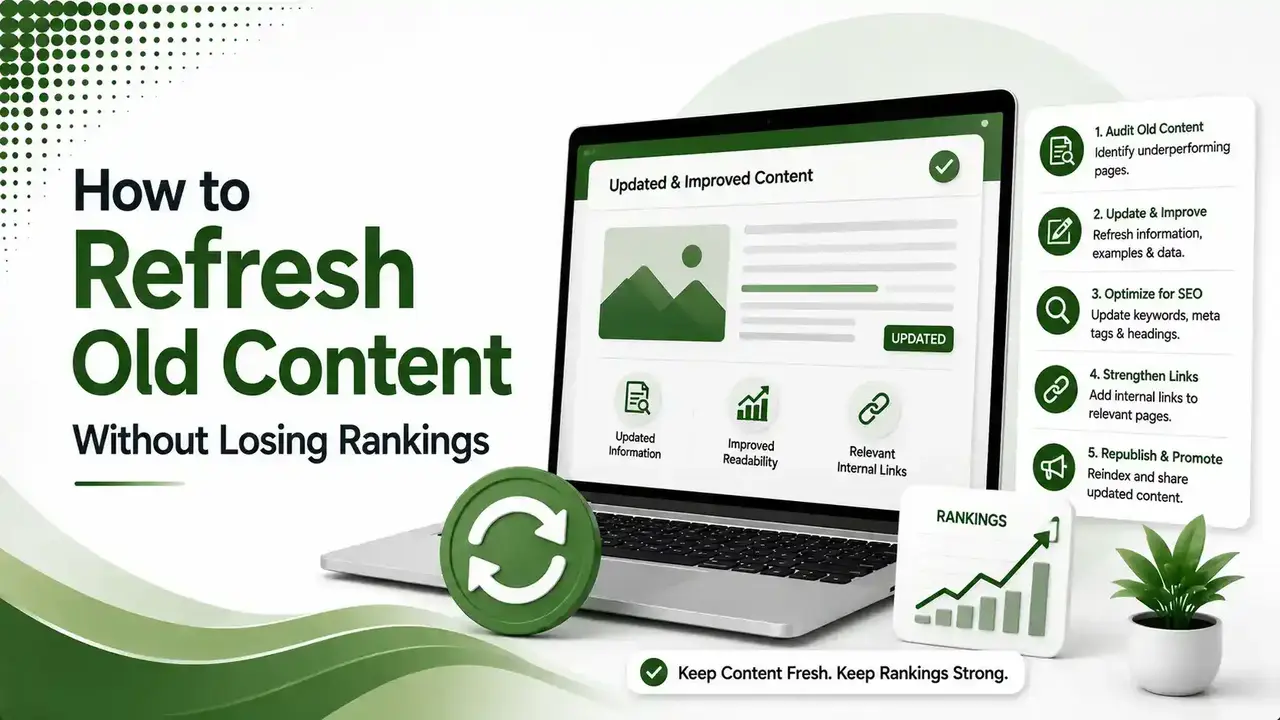
A poorly executed content refresh can strip out what made a page rank in the first place. Here are the 5 rules that protect existing rankings, the right refresh weight for your page, and a safety checklist to run before you touch anything.
No penalty notice, no algorithm blame just a slow bleed of traffic over months. Here's what content decay actually is, the 4 real causes, a 6-step refresh process, and a risk calculator for your own pages.
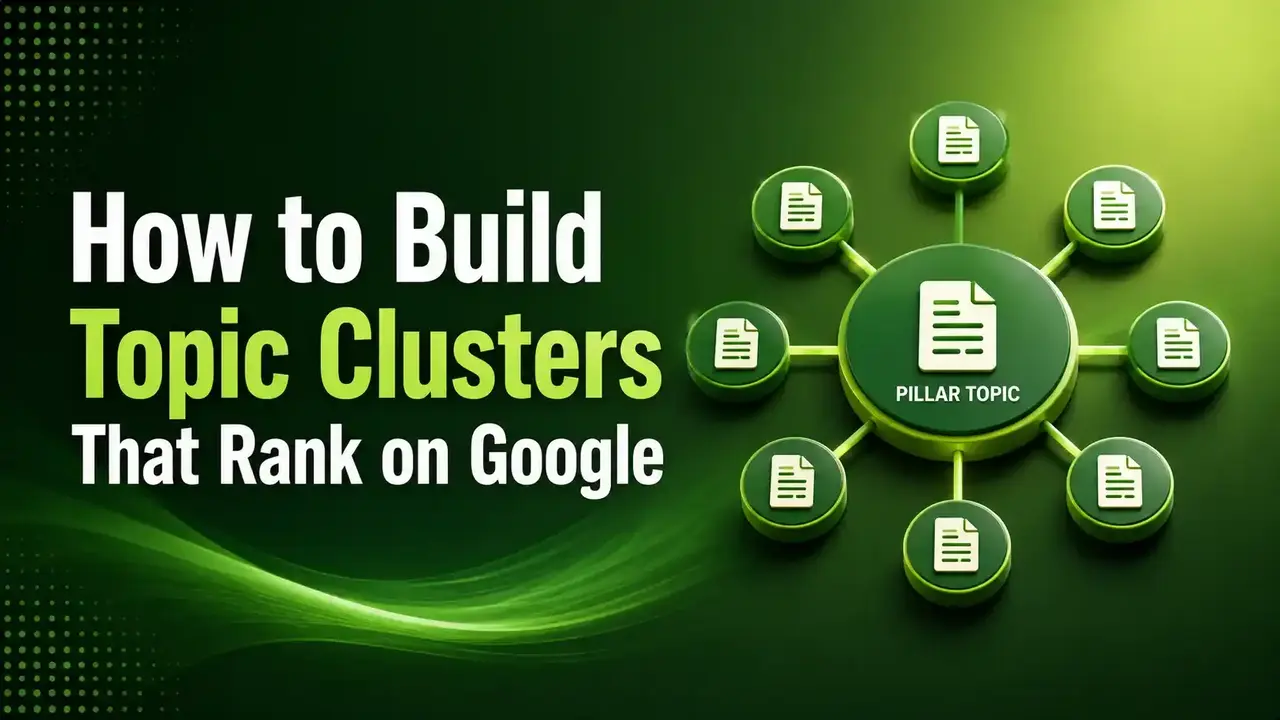
A genuine step-by-step build: validate the topic, map subtopics by intent (not keyword variation), structure the pillar-cluster-support hierarchy, and connect it all with real internal linking with a worked email marketing example throughout.
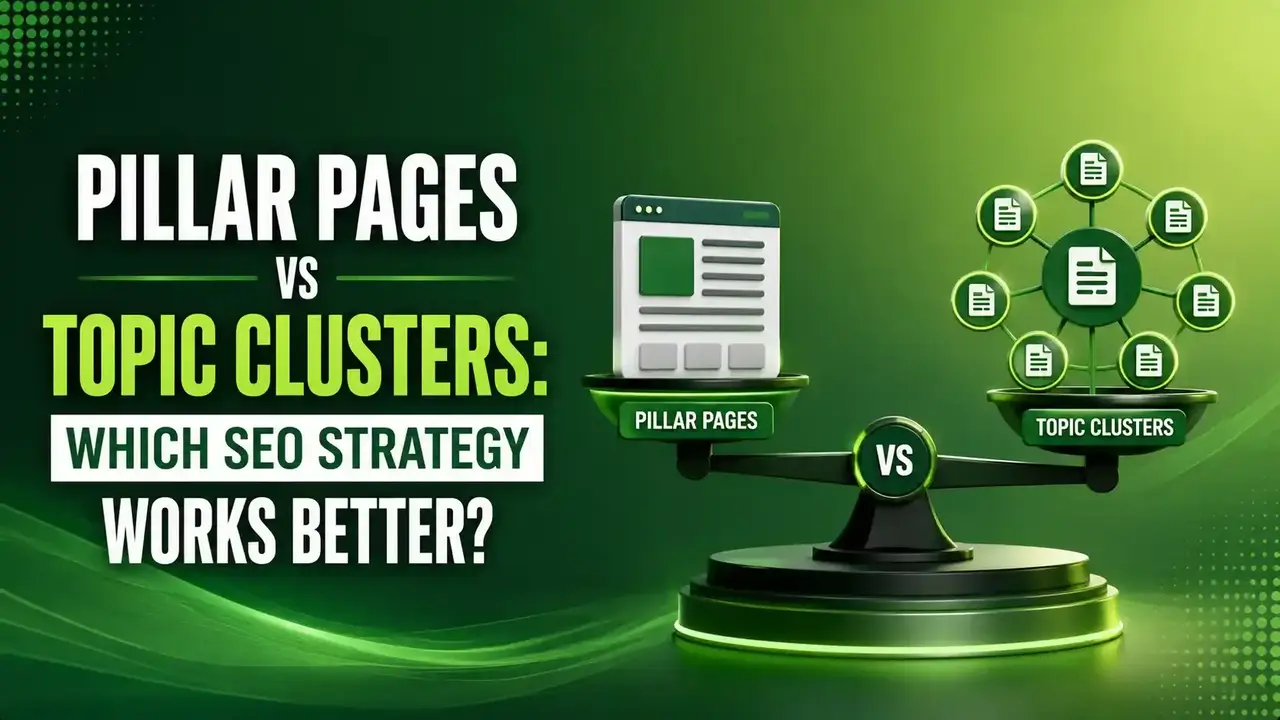
The "vs" in the title is a trick question. A pillar page is one hub page; a topic cluster is the entire connected structure around it. Here's the side-by-side comparison, common mistakes, and a tool to tell you exactly where to start.
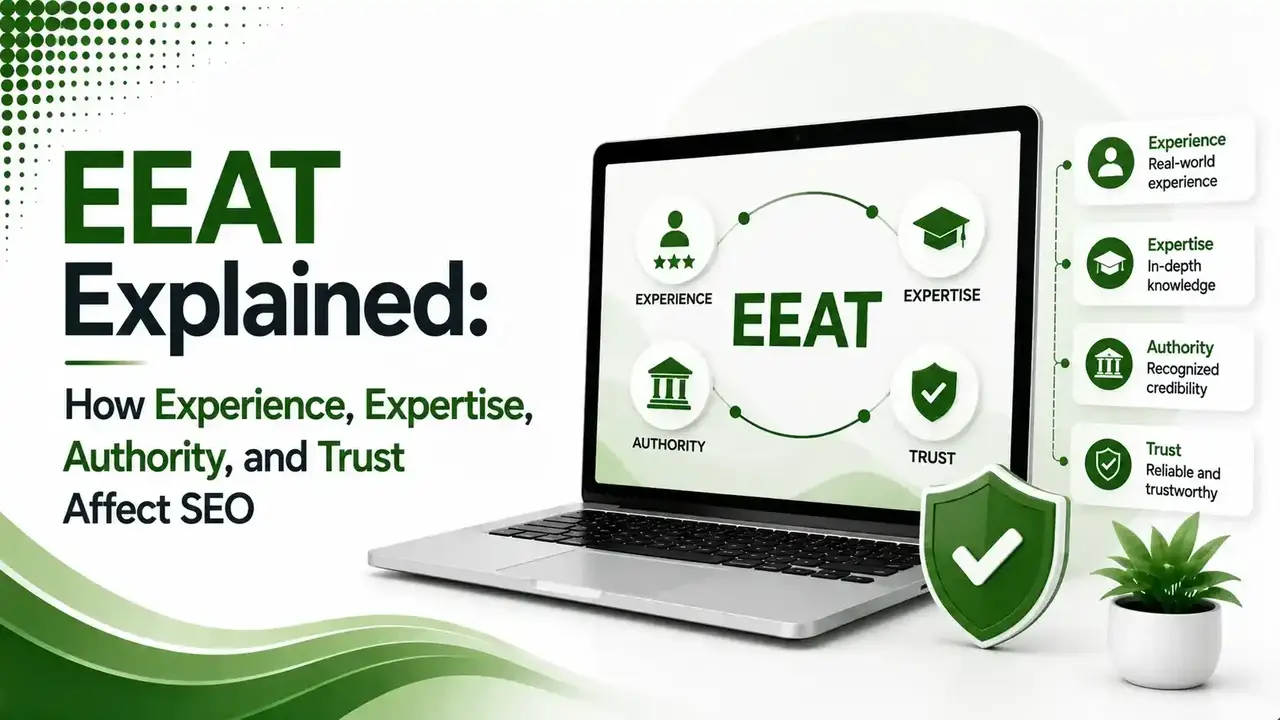
Google has said plainly that EEAT isn't a ranking factor yet it shapes how thousands of human raters evaluate content daily. Here's what EEAT actually is, the four pillars broken down, and a tool to score your own page's signals honestly.
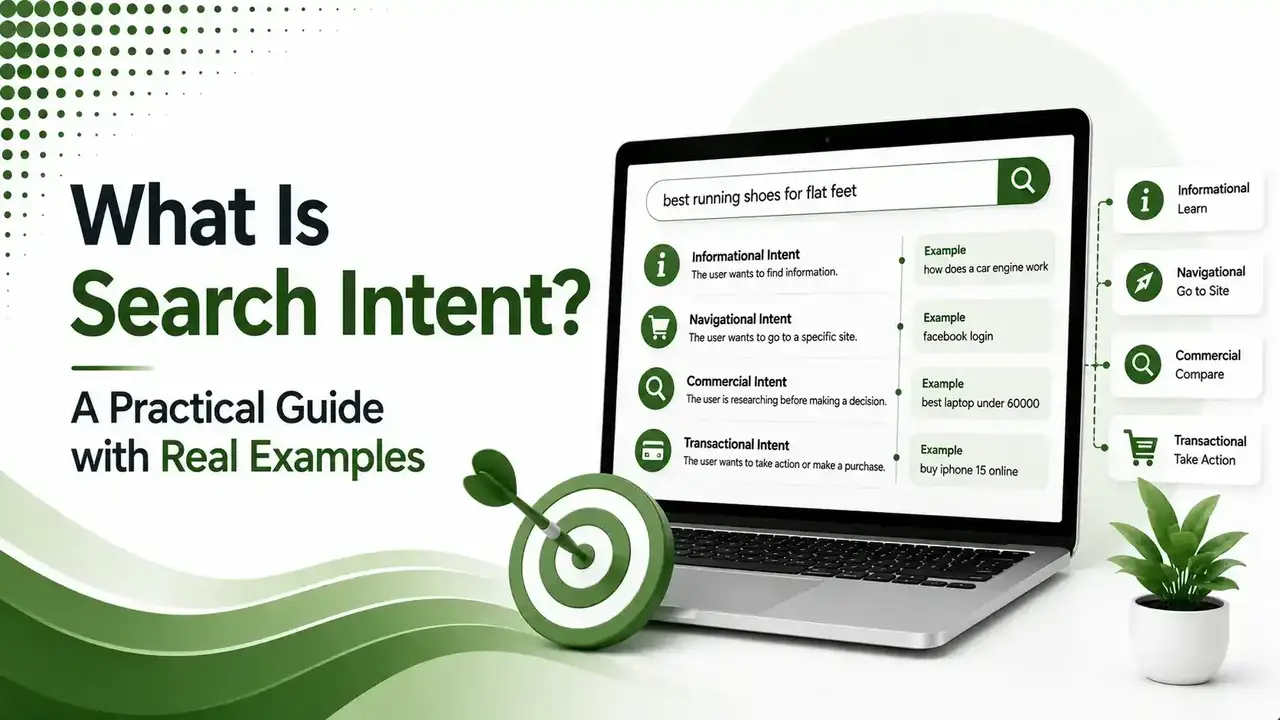
Confuse search intent and even great content never ranks. Here are the 4 traditional intent types with real query examples, how to read SERP signals, the 3 new intent types AI search created, and a tool to identify intent for your own keywords.
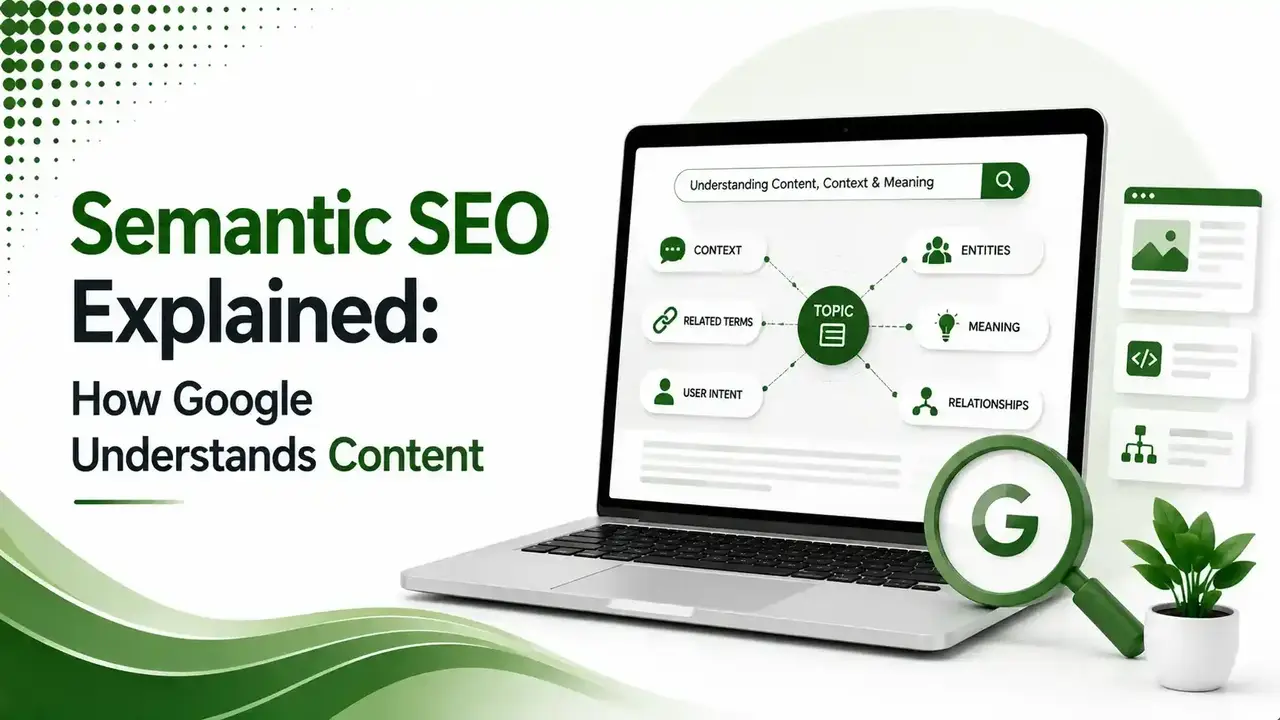
None of Google's 800 billion Knowledge Graph facts matter if your content never maps into it. Here's what semantic SEO actually means, why "entity salience" beats keyword repetition, and a scoring tool for your own pages.