
- Home
- SEODiscover the latest updates from across the United States, including politics, culture, economy, and trending stories. Stay informed on the key events shaping the nation and the topics everyone’s talking about.
- Technical SEOLearn technical SEO concepts including crawling, indexing, XML sitemaps, robots.txt, canonical tags, site architecture, and website performance.
- Local SEOOptimize your business for local seo with Google Business Profile, local citations, reviews, maps, and location-based SEO.
- Mobile SEOImprove your website’s mobile seo performance with responsive design, mobile-first indexing, usability, and page speed optimization.
- On-Page SEOExplore on-page seo optimization techniques such as title tags, meta descriptions, headings, URLs, internal linking, and content optimization.
- Off-Page SEODiscover off-page SEO strategies such as backlinks, digital PR, brand mentions, outreach, and authority building.
- SEO ToolsExplore the best SEO tools for keyword research, technical audits, backlink analysis, rank tracking, and website optimization.
- Core Web VitalsLearn how to improve Core Web Vitals including LCP, INP, CLS, page speed, and overall user experience for better rankings.
- Keyword ResearchLearn how to find profitable keywords, analyze search intent, evaluate competition, and build effective keyword strategies.
- Link BuildingMaster ethical link building techniques, backlink analysis, outreach methods, guest posting, and authority growth strategies.
- Google Search ConsoleLearn how to use Google Search Console to monitor indexing, fix errors, analyze search performance, and improve SEO.
- SEO BasicsLearn the fundamentals of search engine optimization (SEO Basics), including how search engines work, SEO terminology, and beginner-friendly best practices.
- Paid Media
- Display AdvertisingLearn display advertising strategies, banner ads, audience targeting, remarketing, Google Display campaigns, and optimization techniques.
- Google AdsLearn Google Ads strategies, campaign setup, bidding, keywords, Performance Max, Search Ads, and optimization techniques.
- LinkedIn AdsLearn LinkedIn Ads strategies for B2B marketing, lead generation, audience targeting, campaign optimization, and paid social advertising.
- Meta AdsLearn Meta Ads strategies for Facebook and Instagram, including campaign setup, targeting, retargeting, and performance optimization.
- Paid Media AnalyticsLearn paid media analytics, including CPC, CTR, CPA, ROAS, conversion tracking, attribution, reporting, and campaign performance analysis.
- PPC StrategyLearn effective PPC strategies, campaign planning, bidding, keyword targeting, landing pages, conversion optimization, and more.
- ContentTransform your living spaces with inspiration, tips, and trends in interior design. From minimalist decor to bold statements, find ideas for every style and budget.
- Social
- Digital MarketingExplore stories and advice on living your best life. From personal growth to entertainment, dive into the latest in lifestyle trends and inspiration.
- Artificial IntelligenceStay informed about health and wellness with expert advice, fitness tips, and the latest medical breakthroughs. Your guide to a healthier and happier life.
- DevelopmentYou will find development related educational articles
- GTMLearn Google Tag Manager (GTM) with practical guides for tags, triggers, variables, tracking, conversions, and website analytics implementation.
- HTMLLearn HTML with simple tutorials, examples, tags, elements, attributes, and best practices for building modern web pages.
- HTML CSSLearn HTML CSS together with practical tutorials, examples, layouts, styling techniques, responsive design, and modern web development practices.
- HTML JSLearn HTML JS – JavaScript with practical tutorials and examples for adding interactivity, dynamic content, events, and functionality to web pages.
- JavaScriptExplore JavaScript tutorials, examples, concepts, and practical techniques for creating interactive and dynamic websites and web applications.
- PHPLearn PHP programming with practical tutorials, examples, functions, syntax, and web development techniques for beginners and developers.
- PythonLearn Python programming with practical tutorials, examples, syntax, functions, automation techniques, and useful programming concepts.
- Home
- SEODiscover the latest updates from across the United States, including politics, culture, economy, and trending stories. Stay informed on the key events shaping the nation and the topics everyone’s talking about.
- Technical SEOLearn technical SEO concepts including crawling, indexing, XML sitemaps, robots.txt, canonical tags, site architecture, and website performance.
- Local SEOOptimize your business for local seo with Google Business Profile, local citations, reviews, maps, and location-based SEO.
- Mobile SEOImprove your website’s mobile seo performance with responsive design, mobile-first indexing, usability, and page speed optimization.
- On-Page SEOExplore on-page seo optimization techniques such as title tags, meta descriptions, headings, URLs, internal linking, and content optimization.
- Off-Page SEODiscover off-page SEO strategies such as backlinks, digital PR, brand mentions, outreach, and authority building.
- SEO ToolsExplore the best SEO tools for keyword research, technical audits, backlink analysis, rank tracking, and website optimization.
- Core Web VitalsLearn how to improve Core Web Vitals including LCP, INP, CLS, page speed, and overall user experience for better rankings.
- Keyword ResearchLearn how to find profitable keywords, analyze search intent, evaluate competition, and build effective keyword strategies.
- Link BuildingMaster ethical link building techniques, backlink analysis, outreach methods, guest posting, and authority growth strategies.
- Google Search ConsoleLearn how to use Google Search Console to monitor indexing, fix errors, analyze search performance, and improve SEO.
- SEO BasicsLearn the fundamentals of search engine optimization (SEO Basics), including how search engines work, SEO terminology, and beginner-friendly best practices.
- Paid Media
- Display AdvertisingLearn display advertising strategies, banner ads, audience targeting, remarketing, Google Display campaigns, and optimization techniques.
- Google AdsLearn Google Ads strategies, campaign setup, bidding, keywords, Performance Max, Search Ads, and optimization techniques.
- LinkedIn AdsLearn LinkedIn Ads strategies for B2B marketing, lead generation, audience targeting, campaign optimization, and paid social advertising.
- Meta AdsLearn Meta Ads strategies for Facebook and Instagram, including campaign setup, targeting, retargeting, and performance optimization.
- Paid Media AnalyticsLearn paid media analytics, including CPC, CTR, CPA, ROAS, conversion tracking, attribution, reporting, and campaign performance analysis.
- PPC StrategyLearn effective PPC strategies, campaign planning, bidding, keyword targeting, landing pages, conversion optimization, and more.
- ContentTransform your living spaces with inspiration, tips, and trends in interior design. From minimalist decor to bold statements, find ideas for every style and budget.
- Social
- Digital MarketingExplore stories and advice on living your best life. From personal growth to entertainment, dive into the latest in lifestyle trends and inspiration.
- Artificial IntelligenceStay informed about health and wellness with expert advice, fitness tips, and the latest medical breakthroughs. Your guide to a healthier and happier life.
- DevelopmentYou will find development related educational articles
- GTMLearn Google Tag Manager (GTM) with practical guides for tags, triggers, variables, tracking, conversions, and website analytics implementation.
- HTMLLearn HTML with simple tutorials, examples, tags, elements, attributes, and best practices for building modern web pages.
- HTML CSSLearn HTML CSS together with practical tutorials, examples, layouts, styling techniques, responsive design, and modern web development practices.
- HTML JSLearn HTML JS – JavaScript with practical tutorials and examples for adding interactivity, dynamic content, events, and functionality to web pages.
- JavaScriptExplore JavaScript tutorials, examples, concepts, and practical techniques for creating interactive and dynamic websites and web applications.
- PHPLearn PHP programming with practical tutorials, examples, functions, syntax, and web development techniques for beginners and developers.
- PythonLearn Python programming with practical tutorials, examples, syntax, functions, automation techniques, and useful programming concepts.
Now Reading: Toxic Backlinks: How to Identify and Remove Them
-
01
Toxic Backlinks: How to Identify and Remove Them
- Home//
- SEO//Discover the latest updates from across the United States, including politics, culture, economy, and trending stories. Stay informed on the key events shaping the nation and the topics everyone’s talking about.
- Technical SEO//Learn technical SEO concepts including crawling, indexing, XML sitemaps, robots.txt, canonical tags, site architecture, and website performance.
- Local SEO//Optimize your business for local seo with Google Business Profile, local citations, reviews, maps, and location-based SEO.
- Mobile SEO//Improve your website’s mobile seo performance with responsive design, mobile-first indexing, usability, and page speed optimization.
- On-Page SEO//Explore on-page seo optimization techniques such as title tags, meta descriptions, headings, URLs, internal linking, and content optimization.
- Off-Page SEO//Discover off-page SEO strategies such as backlinks, digital PR, brand mentions, outreach, and authority building.
- SEO Tools//Explore the best SEO tools for keyword research, technical audits, backlink analysis, rank tracking, and website optimization.
- Core Web Vitals//Learn how to improve Core Web Vitals including LCP, INP, CLS, page speed, and overall user experience for better rankings.
- Keyword Research//Learn how to find profitable keywords, analyze search intent, evaluate competition, and build effective keyword strategies.
- Link Building//Master ethical link building techniques, backlink analysis, outreach methods, guest posting, and authority growth strategies.
- Google Search Console//Learn how to use Google Search Console to monitor indexing, fix errors, analyze search performance, and improve SEO.
- SEO Basics//Learn the fundamentals of search engine optimization (SEO Basics), including how search engines work, SEO terminology, and beginner-friendly best practices.
- Paid Media//
- Display Advertising//Learn display advertising strategies, banner ads, audience targeting, remarketing, Google Display campaigns, and optimization techniques.
- Google Ads//Learn Google Ads strategies, campaign setup, bidding, keywords, Performance Max, Search Ads, and optimization techniques.
- LinkedIn Ads//Learn LinkedIn Ads strategies for B2B marketing, lead generation, audience targeting, campaign optimization, and paid social advertising.
- Meta Ads//Learn Meta Ads strategies for Facebook and Instagram, including campaign setup, targeting, retargeting, and performance optimization.
- Paid Media Analytics//Learn paid media analytics, including CPC, CTR, CPA, ROAS, conversion tracking, attribution, reporting, and campaign performance analysis.
- PPC Strategy//Learn effective PPC strategies, campaign planning, bidding, keyword targeting, landing pages, conversion optimization, and more.
- Content//Transform your living spaces with inspiration, tips, and trends in interior design. From minimalist decor to bold statements, find ideas for every style and budget.
- Social//
- Digital Marketing//Explore stories and advice on living your best life. From personal growth to entertainment, dive into the latest in lifestyle trends and inspiration.
- Artificial Intelligence//Stay informed about health and wellness with expert advice, fitness tips, and the latest medical breakthroughs. Your guide to a healthier and happier life.
- Development//You will find development related educational articles
- GTM//Learn Google Tag Manager (GTM) with practical guides for tags, triggers, variables, tracking, conversions, and website analytics implementation.
- HTML//Learn HTML with simple tutorials, examples, tags, elements, attributes, and best practices for building modern web pages.
- HTML CSS//Learn HTML CSS together with practical tutorials, examples, layouts, styling techniques, responsive design, and modern web development practices.
- HTML JS//Learn HTML JS – JavaScript with practical tutorials and examples for adding interactivity, dynamic content, events, and functionality to web pages.
- JavaScript//Explore JavaScript tutorials, examples, concepts, and practical techniques for creating interactive and dynamic websites and web applications.
- PHP//Learn PHP programming with practical tutorials, examples, functions, syntax, and web development techniques for beginners and developers.
- Python//Learn Python programming with practical tutorials, examples, syntax, functions, automation techniques, and useful programming concepts.
Toxic Backlinks: How to Identify and Remove Them

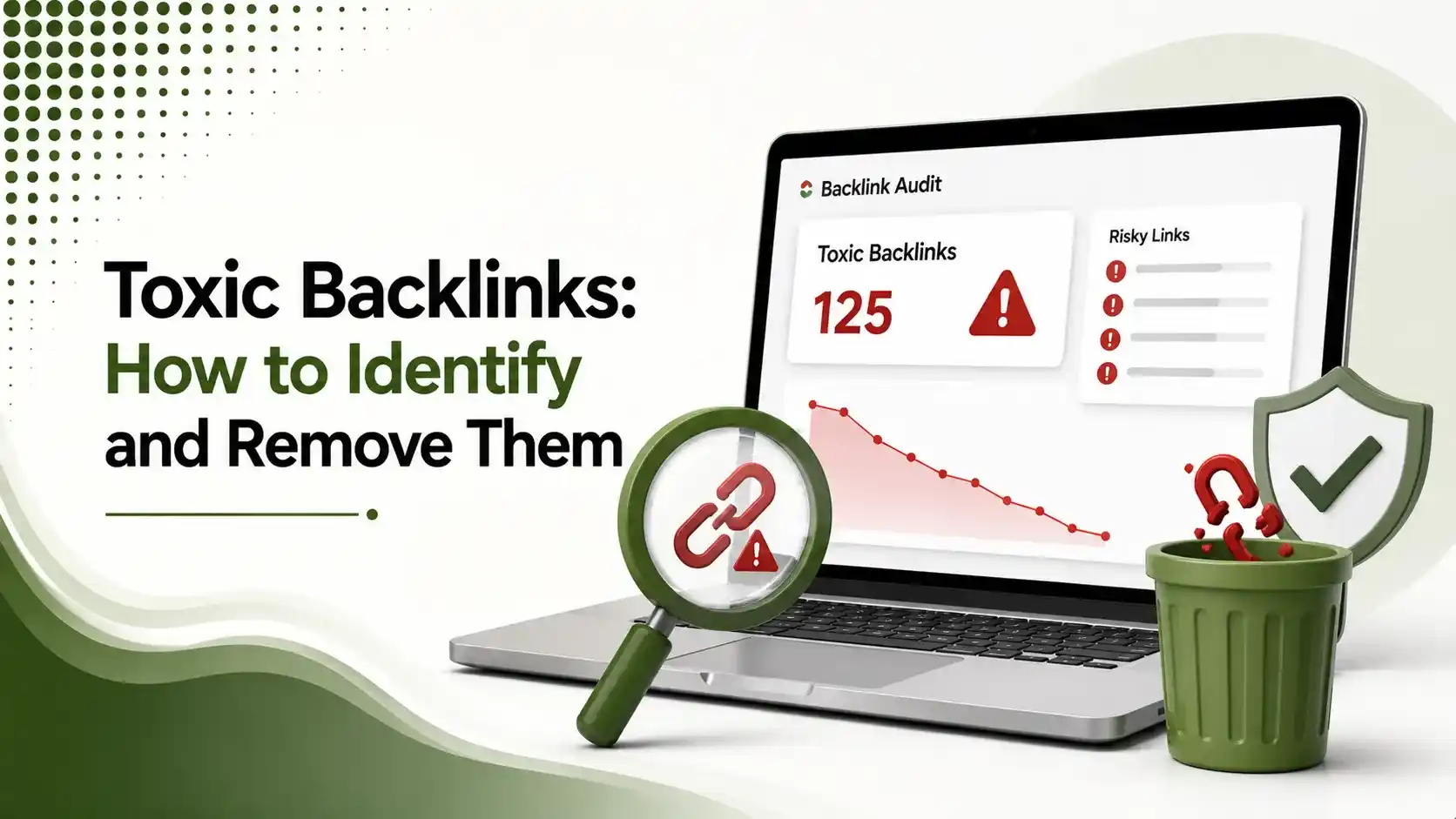
Toxic backlinks can damage your website's authority and search rankings if left unchecked. This guide explains how to identify harmful backlinks, perform a comprehensive backlink audit, remove or disavow suspicious links, and maintain a healthy backlink profile for stronger SEO performance in 2026.
Table of Contents
ToggleMost links that look toxic aren't the reason a site loses rankings. Google's spam-detection systems already discount the majority of low-quality links automatically, before they ever cause harm. Understanding this distinction, what genuinely warrants action versus what Google already handles on its own, is the actual skill behind this topic, more than any single tool or checklist.
Toxic backlinks are inbound links from spammy, manipulative, or irrelevant websites, link farms, hacked sites, scraped-content domains, or paid link networks, that can weaken a site's overall link profile if they accumulate in volume or pattern rather than as isolated cases.
We covered how to review a backlink profile broadly in our backlink analysis guide. This article focuses specifically on the toxic subset: how to recognize genuine risk, and the correct, cautious process for removing it.
Identification comes first, removal second, and disavowal last, reserved only for links you cannot remove manually and that pose documented risk. Most low-quality links never need any of these steps at all.
01Recognizing the Warning Signs
According to IL WebDesign's guide to identifying and disavowing toxic backlinks, context matters more than any single metric. Not every low-authority link is toxic, and not every high-authority link is automatically safe.
According to Search Engine Journal's guide to identifying toxic backlinks, the strongest signal is usually pattern-based: a single suspicious link rarely matters, but dozens sharing the same footprint are worth real attention.
Irrelevant niche links: a bakery site linked from a car parts marketplace has no topical connection at all.
Stuffed commercial anchor text: the same exact-match keyword phrase repeated across hundreds of links.
Site-wide footer links: a single domain linking from every page through a footer or sidebar widget.
Thin or scraped content domains: sites with little original content, existing solely to host outbound links.
02Using Tool Scores Correctly
According to WPBrigade's guide to disavowing toxic backlinks in Search Console, Ahrefs' Toxic Score, Semrush's Backlink Audit, and Moz's Spam Score each use different underlying signals. Cross-referencing two tools reduces false positives significantly.
According to Hostragons' guide to cleaning up dirty backlinks, automatically disavowing every link a tool labels high-risk is itself a mistake. Tool scores are decision-support signals; the final call requires manual review.
03Try Manual Removal First
According to Ubersuggest's guide to identifying, removing, and disavowing toxic backlinks, Google recommends attempting manual removal before disavowing anything at all.
Find contact information on the linking site, an email address or contact form.
Send a polite, specific request asking for the link to be removed or set to nofollow.
Keep a record of outreach dates and responses; not everyone will reply, and that's expected.
04Process Stepper, Tap to Explore
Six stages make up the full identification-to-removal process. Tap each for what happens at that stage.
Export and Audit
Pull your full backlink list from Search Console and a third-party tool. Look for patterns across anchor text, domain quality, and link placement.
05The Disavow File Format
According to Koanthic's complete guide to the Google Disavow Tool, formatting errors in this file can prevent Google from processing the submission correctly, so precision matters.
# Disavow file format: one entry per line
# Disavow an entire domain (recommended for spam domains)
domain:spamsite-example.com

# Disavow a single specific URL instead
https://another-example.com/toxic-page
Domain-level disavowal covers all current and future links from that source in one entry
06When to Use the Disavow Tool
| Situation | Disavow Needed? |
|---|---|
| Received a manual action for unnatural links | Yes |
| Confirmed negative SEO attack, links unremovable | Yes |
| A handful of low-quality but natural links | No, Google filters these automatically |
| Nofollow links from unrelated small blogs | No |
07Maintaining a Master Disavow File
According to WPBrigade's guide referenced above, keep one authoritative disavow file that tracks every domain and URL ever disavowed, along with dates and reasons. Every re-upload should use this cumulative file, never a fresh one created from scratch.
According to Arctic Leaf's guide to backlink cleanup, disavowing, and reclaiming Domain Authority, backlink cleanup isn't glamorous work, but it remains one of the highest-return SEO tasks available, especially for sites that haven't audited their profile in the past six to twelve months.
According to weDevs' guide to disavowing backlinks in 2026, the actual disavow process itself is simple once the identification work is done: find the toxic links, create the file, upload it, and check the result.
08FAQs on Toxic Backlinks
Links from spammy, manipulative, or entirely irrelevant sites, often link farms, hacked domains, or scraped-content sites, that can weaken a link profile if they appear in volume or pattern.
No. Tool scores are a starting point for manual review, not an automatic verdict. Disavowing every flagged link often removes value along with the actual risk.
Primarily after receiving a manual action for unnatural links, or during a confirmed negative SEO attack where the links genuinely cannot be removed any other way.
Yes. Google explicitly recommends attempting manual removal, contacting the site owner directly, before submitting anything through the disavow tool.
Entire domains, when the source is clearly and consistently spammy. This is more efficient and automatically covers any future links from that same domain.
Related Articles
What We Learn Today
Google already filters out most low-quality links automatically
Irrelevant niches and stuffed anchor text are the clearest red flags
Cross-reference two tools; single scores produce false positives
Attempt manual removal before ever touching the disavow tool
Disavow whole domains, not individual URLs, when possible
Disavowal is for manual actions and attacks, not routine cleanup
Protect What You've Already Built
Backlink cleanup is a defensive skill, not a routine task. Pair this guide with our backlink analysis and Domain Authority guides for a complete, cautious approach.
Related Posts
Previous Post
Next Post
Previous Post
SEO2 months ago
How to Increase Domain Authority Naturally
Next Post
SEO Tools2 months ago
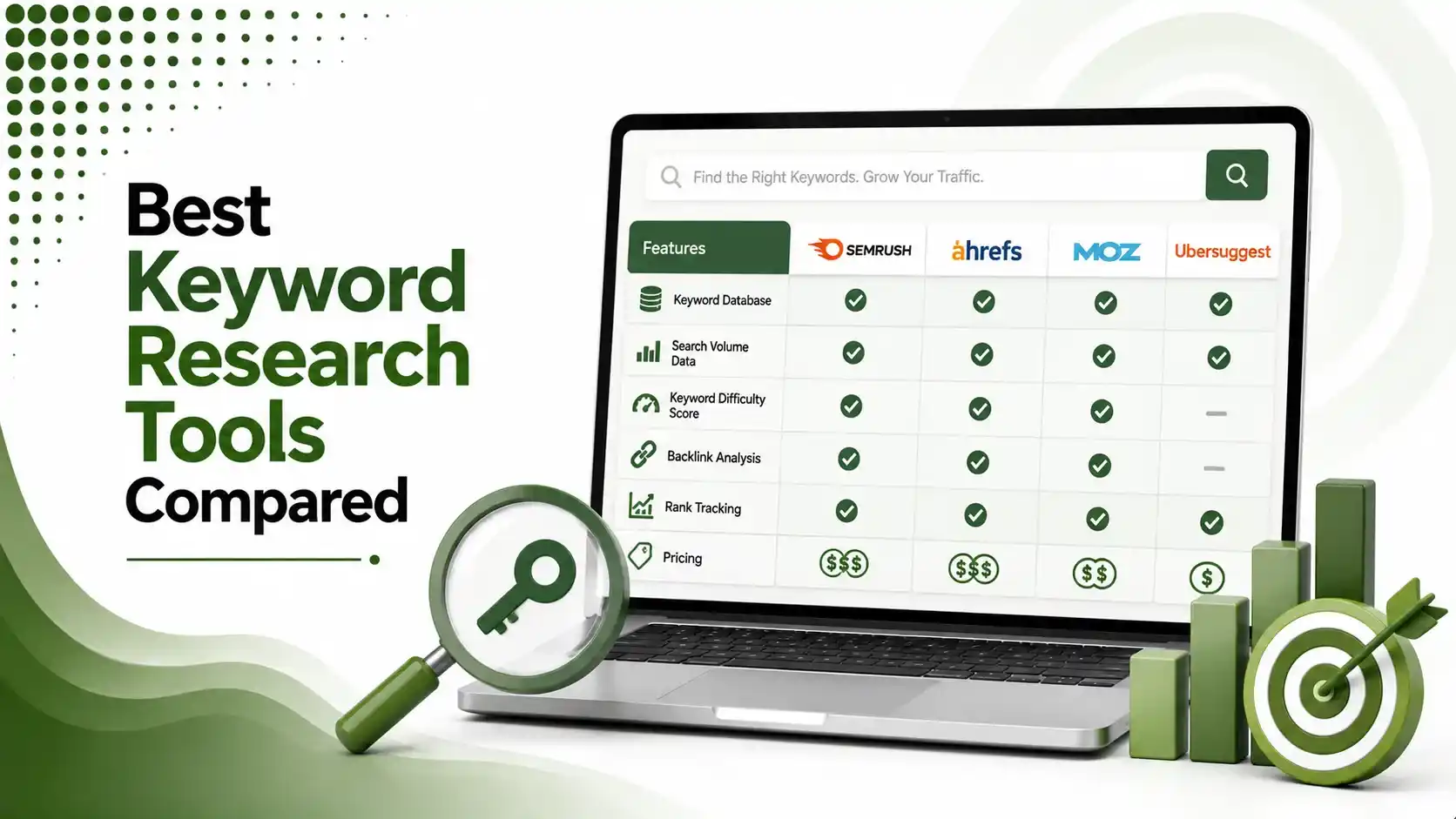
Best Keyword Research Tools Compared



- Artificial Intelligence
- Content
- Core Web Vitals
- Development
- Digital Marketing
- Display Advertising
- Google Ads
- Google Search Console
- GTM
- HTML
- HTML CSS
- JavaScript
- Keyword Research
- Link Building
- LinkedIn Ads
- Local SEO
- Meta Ads
- Mobile SEO
- Off-Page SEO
- On-Page SEO
- Paid Media
- Paid Media Analytics
- PHP
- PPC Strategy
- Python
- SEO
- SEO Basics
- SEO Tools
- Social
- Technical SEO