
- Home
- SEODiscover the latest updates from across the United States, including politics, culture, economy, and trending stories. Stay informed on the key events shaping the nation and the topics everyone’s talking about.
- Technical SEOLearn technical SEO concepts including crawling, indexing, XML sitemaps, robots.txt, canonical tags, site architecture, and website performance.
- Local SEOOptimize your business for local seo with Google Business Profile, local citations, reviews, maps, and location-based SEO.
- Mobile SEOImprove your website’s mobile seo performance with responsive design, mobile-first indexing, usability, and page speed optimization.
- On-Page SEOExplore on-page seo optimization techniques such as title tags, meta descriptions, headings, URLs, internal linking, and content optimization.
- Off-Page SEODiscover off-page SEO strategies such as backlinks, digital PR, brand mentions, outreach, and authority building.
- SEO ToolsExplore the best SEO tools for keyword research, technical audits, backlink analysis, rank tracking, and website optimization.
- Core Web VitalsLearn how to improve Core Web Vitals including LCP, INP, CLS, page speed, and overall user experience for better rankings.
- Keyword ResearchLearn how to find profitable keywords, analyze search intent, evaluate competition, and build effective keyword strategies.
- Link BuildingMaster ethical link building techniques, backlink analysis, outreach methods, guest posting, and authority growth strategies.
- Google Search ConsoleLearn how to use Google Search Console to monitor indexing, fix errors, analyze search performance, and improve SEO.
- SEO BasicsLearn the fundamentals of search engine optimization (SEO Basics), including how search engines work, SEO terminology, and beginner-friendly best practices.
- Paid Media
- Display AdvertisingLearn display advertising strategies, banner ads, audience targeting, remarketing, Google Display campaigns, and optimization techniques.
- Google AdsLearn Google Ads strategies, campaign setup, bidding, keywords, Performance Max, Search Ads, and optimization techniques.
- LinkedIn AdsLearn LinkedIn Ads strategies for B2B marketing, lead generation, audience targeting, campaign optimization, and paid social advertising.
- Meta AdsLearn Meta Ads strategies for Facebook and Instagram, including campaign setup, targeting, retargeting, and performance optimization.
- Paid Media AnalyticsLearn paid media analytics, including CPC, CTR, CPA, ROAS, conversion tracking, attribution, reporting, and campaign performance analysis.
- PPC StrategyLearn effective PPC strategies, campaign planning, bidding, keyword targeting, landing pages, conversion optimization, and more.
- ContentTransform your living spaces with inspiration, tips, and trends in interior design. From minimalist decor to bold statements, find ideas for every style and budget.
- Social
- Digital MarketingExplore stories and advice on living your best life. From personal growth to entertainment, dive into the latest in lifestyle trends and inspiration.
- Artificial IntelligenceStay informed about health and wellness with expert advice, fitness tips, and the latest medical breakthroughs. Your guide to a healthier and happier life.
- DevelopmentYou will find development related educational articles
- GTMLearn Google Tag Manager (GTM) with practical guides for tags, triggers, variables, tracking, conversions, and website analytics implementation.
- HTMLLearn HTML with simple tutorials, examples, tags, elements, attributes, and best practices for building modern web pages.
- HTML CSSLearn HTML CSS together with practical tutorials, examples, layouts, styling techniques, responsive design, and modern web development practices.
- HTML JSLearn HTML JS – JavaScript with practical tutorials and examples for adding interactivity, dynamic content, events, and functionality to web pages.
- JavaScriptExplore JavaScript tutorials, examples, concepts, and practical techniques for creating interactive and dynamic websites and web applications.
- PHPLearn PHP programming with practical tutorials, examples, functions, syntax, and web development techniques for beginners and developers.
- PythonLearn Python programming with practical tutorials, examples, syntax, functions, automation techniques, and useful programming concepts.
- Home
- SEODiscover the latest updates from across the United States, including politics, culture, economy, and trending stories. Stay informed on the key events shaping the nation and the topics everyone’s talking about.
- Technical SEOLearn technical SEO concepts including crawling, indexing, XML sitemaps, robots.txt, canonical tags, site architecture, and website performance.
- Local SEOOptimize your business for local seo with Google Business Profile, local citations, reviews, maps, and location-based SEO.
- Mobile SEOImprove your website’s mobile seo performance with responsive design, mobile-first indexing, usability, and page speed optimization.
- On-Page SEOExplore on-page seo optimization techniques such as title tags, meta descriptions, headings, URLs, internal linking, and content optimization.
- Off-Page SEODiscover off-page SEO strategies such as backlinks, digital PR, brand mentions, outreach, and authority building.
- SEO ToolsExplore the best SEO tools for keyword research, technical audits, backlink analysis, rank tracking, and website optimization.
- Core Web VitalsLearn how to improve Core Web Vitals including LCP, INP, CLS, page speed, and overall user experience for better rankings.
- Keyword ResearchLearn how to find profitable keywords, analyze search intent, evaluate competition, and build effective keyword strategies.
- Link BuildingMaster ethical link building techniques, backlink analysis, outreach methods, guest posting, and authority growth strategies.
- Google Search ConsoleLearn how to use Google Search Console to monitor indexing, fix errors, analyze search performance, and improve SEO.
- SEO BasicsLearn the fundamentals of search engine optimization (SEO Basics), including how search engines work, SEO terminology, and beginner-friendly best practices.
- Paid Media
- Display AdvertisingLearn display advertising strategies, banner ads, audience targeting, remarketing, Google Display campaigns, and optimization techniques.
- Google AdsLearn Google Ads strategies, campaign setup, bidding, keywords, Performance Max, Search Ads, and optimization techniques.
- LinkedIn AdsLearn LinkedIn Ads strategies for B2B marketing, lead generation, audience targeting, campaign optimization, and paid social advertising.
- Meta AdsLearn Meta Ads strategies for Facebook and Instagram, including campaign setup, targeting, retargeting, and performance optimization.
- Paid Media AnalyticsLearn paid media analytics, including CPC, CTR, CPA, ROAS, conversion tracking, attribution, reporting, and campaign performance analysis.
- PPC StrategyLearn effective PPC strategies, campaign planning, bidding, keyword targeting, landing pages, conversion optimization, and more.
- ContentTransform your living spaces with inspiration, tips, and trends in interior design. From minimalist decor to bold statements, find ideas for every style and budget.
- Social
- Digital MarketingExplore stories and advice on living your best life. From personal growth to entertainment, dive into the latest in lifestyle trends and inspiration.
- Artificial IntelligenceStay informed about health and wellness with expert advice, fitness tips, and the latest medical breakthroughs. Your guide to a healthier and happier life.
- DevelopmentYou will find development related educational articles
- GTMLearn Google Tag Manager (GTM) with practical guides for tags, triggers, variables, tracking, conversions, and website analytics implementation.
- HTMLLearn HTML with simple tutorials, examples, tags, elements, attributes, and best practices for building modern web pages.
- HTML CSSLearn HTML CSS together with practical tutorials, examples, layouts, styling techniques, responsive design, and modern web development practices.
- HTML JSLearn HTML JS – JavaScript with practical tutorials and examples for adding interactivity, dynamic content, events, and functionality to web pages.
- JavaScriptExplore JavaScript tutorials, examples, concepts, and practical techniques for creating interactive and dynamic websites and web applications.
- PHPLearn PHP programming with practical tutorials, examples, functions, syntax, and web development techniques for beginners and developers.
- PythonLearn Python programming with practical tutorials, examples, syntax, functions, automation techniques, and useful programming concepts.
Now Reading: IndexNow Explained: Can It Help Google Index Faster?
-
01
IndexNow Explained: Can It Help Google Index Faster?
- Home//
- SEO//Discover the latest updates from across the United States, including politics, culture, economy, and trending stories. Stay informed on the key events shaping the nation and the topics everyone’s talking about.
- Technical SEO//Learn technical SEO concepts including crawling, indexing, XML sitemaps, robots.txt, canonical tags, site architecture, and website performance.
- Local SEO//Optimize your business for local seo with Google Business Profile, local citations, reviews, maps, and location-based SEO.
- Mobile SEO//Improve your website’s mobile seo performance with responsive design, mobile-first indexing, usability, and page speed optimization.
- On-Page SEO//Explore on-page seo optimization techniques such as title tags, meta descriptions, headings, URLs, internal linking, and content optimization.
- Off-Page SEO//Discover off-page SEO strategies such as backlinks, digital PR, brand mentions, outreach, and authority building.
- SEO Tools//Explore the best SEO tools for keyword research, technical audits, backlink analysis, rank tracking, and website optimization.
- Core Web Vitals//Learn how to improve Core Web Vitals including LCP, INP, CLS, page speed, and overall user experience for better rankings.
- Keyword Research//Learn how to find profitable keywords, analyze search intent, evaluate competition, and build effective keyword strategies.
- Link Building//Master ethical link building techniques, backlink analysis, outreach methods, guest posting, and authority growth strategies.
- Google Search Console//Learn how to use Google Search Console to monitor indexing, fix errors, analyze search performance, and improve SEO.
- SEO Basics//Learn the fundamentals of search engine optimization (SEO Basics), including how search engines work, SEO terminology, and beginner-friendly best practices.
- Paid Media//
- Display Advertising//Learn display advertising strategies, banner ads, audience targeting, remarketing, Google Display campaigns, and optimization techniques.
- Google Ads//Learn Google Ads strategies, campaign setup, bidding, keywords, Performance Max, Search Ads, and optimization techniques.
- LinkedIn Ads//Learn LinkedIn Ads strategies for B2B marketing, lead generation, audience targeting, campaign optimization, and paid social advertising.
- Meta Ads//Learn Meta Ads strategies for Facebook and Instagram, including campaign setup, targeting, retargeting, and performance optimization.
- Paid Media Analytics//Learn paid media analytics, including CPC, CTR, CPA, ROAS, conversion tracking, attribution, reporting, and campaign performance analysis.
- PPC Strategy//Learn effective PPC strategies, campaign planning, bidding, keyword targeting, landing pages, conversion optimization, and more.
- Content//Transform your living spaces with inspiration, tips, and trends in interior design. From minimalist decor to bold statements, find ideas for every style and budget.
- Social//
- Digital Marketing//Explore stories and advice on living your best life. From personal growth to entertainment, dive into the latest in lifestyle trends and inspiration.
- Artificial Intelligence//Stay informed about health and wellness with expert advice, fitness tips, and the latest medical breakthroughs. Your guide to a healthier and happier life.
- Development//You will find development related educational articles
- GTM//Learn Google Tag Manager (GTM) with practical guides for tags, triggers, variables, tracking, conversions, and website analytics implementation.
- HTML//Learn HTML with simple tutorials, examples, tags, elements, attributes, and best practices for building modern web pages.
- HTML CSS//Learn HTML CSS together with practical tutorials, examples, layouts, styling techniques, responsive design, and modern web development practices.
- HTML JS//Learn HTML JS – JavaScript with practical tutorials and examples for adding interactivity, dynamic content, events, and functionality to web pages.
- JavaScript//Explore JavaScript tutorials, examples, concepts, and practical techniques for creating interactive and dynamic websites and web applications.
- PHP//Learn PHP programming with practical tutorials, examples, functions, syntax, and web development techniques for beginners and developers.
- Python//Learn Python programming with practical tutorials, examples, syntax, functions, automation techniques, and useful programming concepts.
- Home
- SEO
- Technical SEO
- IndexNow Explained: Can It Help Google Index Faster?
IndexNow Explained: Can It Help Google Index Faster?

IndexNow can't help Google index faster, Google doesn't participate. Learn which engines it actually speeds up, the real code, and who should use it.
Table of Contents
ToggleType "IndexNow" into any search bar and half the results promise instant Google indexing. Nearly all of them are wrong. IndexNow is a real, useful, free protocol, and it genuinely can help a site get discovered faster. Google, specifically, is the one engine it does not touch at all, and that single fact changes how most sites should actually use it.
IndexNow cannot help Google index faster, because Google does not participate in the IndexNow protocol as of 2026.
IndexNow does help Bing, Yandex, Naver, Seznam, and Yep index faster, since those engines actively consume the pings it sends. Understanding this distinction is the entire point of this guide.
We covered Google's actual discovery pipeline in our crawling and indexing guide. IndexNow operates entirely outside that pipeline, a genuinely separate system built by different companies for a different purpose.
No, IndexNow cannot help Google index your content faster. Google has tested the protocol since 2021 but has never adopted it. For faster Google indexing, use Search Console's URL Inspection tool or the separate Google Indexing API instead.
URLs submitted through IndexNow daily across participating search engines in 2026
websites already use IndexNow, despite Google's continued non-participation
the year Microsoft Bing and Yandex jointly launched the IndexNow protocol
Which Search Engines Actually Support IndexNow
Bing
SupportedYandex
SupportedNaver
SupportedSeznam
SupportedYep
SupportedHow IndexNow Actually Works
According to Seodisias' explanation of why Google doesn't use IndexNow, the mechanics are refreshingly simple: generate a key, host it as a text file, then ping an API whenever content changes.
# Step 1: Host your key file at the domain root
# File: https://www.example.com/a1b2c3d4e5f6.txt
a1b2c3d4e5f6
The file's content is just the key itself, nothing else
# Step 2: Send a POST request whenever a page changes
POST /indexnow HTTP/1.1
Host: api.indexnow.org
Content-Type: application/json

{
  "host": "www.example.com",
  "key": "a1b2c3d4e5f6",
  "keyLocation": "https://www.example.com/a1b2c3d4e5f6.txt",
  "urlList": [
    "https://www.example.com/new-post",
    "https://www.example.com/updated-page"
  ]
}
One request can notify every participating engine at once, since they share the same endpoint
Why Google Has Not Adopted the Protocol
According to iMark Infotech's guide to the IndexNow protocol, Google has acknowledged the initiative and expressed general interest in indexing efficiency, but has committed to no timeline for adoption.
Google instead maintains its own separate infrastructure entirely: Googlebot's own crawl scheduling, Search Console's URL Inspection tool, XML sitemaps, and a distinct Google Indexing API with its own authentication requirements.
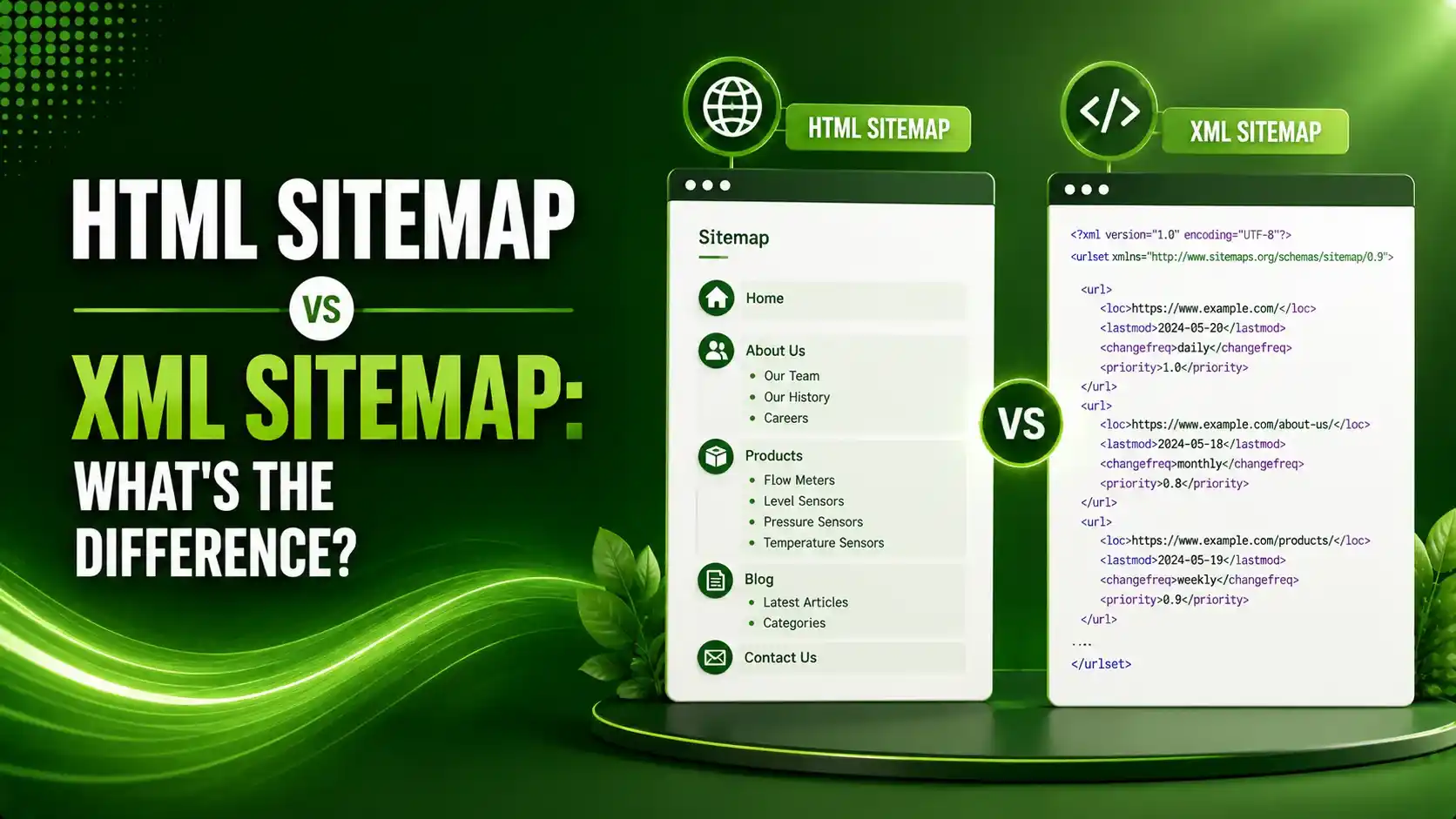
IndexNow vs. XML Sitemaps: Push vs. Pull
These two systems solve a related problem in opposite ways. Tap through both to see the distinction clearly.
| System | How It Works |
|---|---|
| XML Sitemap | A pull system; search engines visit and check it on their own schedule |
| IndexNow | A push system; your site actively notifies engines the instant something changes |
According to White Bunnie's guide comparing IndexNow and sitemaps, these are complementary systems, not competitors. A sitemap remains the foundation; IndexNow adds a faster notification layer on top of it for the engines that support it.
Who Actually Benefits From Using IndexNow
According to Pressonify's guide to instant indexing for press releases, time-sensitive content sees the clearest benefit: a funding announcement or product launch has a narrow window of relevance, and Bing-ecosystem indexing within minutes instead of days genuinely matters there.
DuckDuckGo's results are Bing-powered, which means IndexNow indirectly benefits that audience too, a detail many sites overlook when weighing whether the protocol is worth implementing at all.
IndexNow Benefit Estimator
Answer honestly about your traffic sources to see how much IndexNow would actually help.
IndexNow Benefit Estimator
A realistic read on whether this protocol is worth your time
What to Use Instead for Faster Google Indexing
According to Pravin Kumar's guide to IndexNow and faster indexing, Search Console's URL Inspection tool remains the correct, direct way to request a Google crawl for a specific page.
According to SearchOptimo's explanation of IndexNow, a clean sitemap, strong internal linking, and consistent crawl quality still do more for Google discovery speed than any push notification protocol Google doesn't even read.
Common Misconceptions About IndexNow and Google
The single most common misconception is assuming IndexNow will help Google index faster simply because it helps other engines. These are separate systems built by separate companies, and nothing about pinging one guarantees anything about the other.
A second misconception treats the two protocols as interchangeable. Google runs its own Indexing API, but that API is officially restricted to specific content types, primarily job postings and live-stream video markup, not general blog posts or product pages the way IndexNow handles submissions broadly.
A third misconception assumes that because a plugin advertises "instant indexing," it must somehow help Google index faster too.
Read the fine print on any such plugin carefully; many bundle IndexNow submission with a separate, unrelated Google Search Console API call, and conflating the two creates false confidence about what actually happened.
Automating IndexNow Through a Publishing Workflow
According to a 2026 IndexNow implementation guide, most sites wire the ping directly into their build or publish step, so the notification fires automatically without any manual work after the initial setup.
// Trigger this function whenever a post publishes or updates
async function pingIndexNow(urls) {
  const response = await fetch('https://api.indexnow.org/indexnow', {
    method: 'POST',
    headers: { 'Content-Type': 'application/json' },
    body: JSON.stringify({
      host: 'www.example.com',
      key: 'a1b2c3d4e5f6',
      keyLocation: 'https://www.example.com/a1b2c3d4e5f6.txt',
      urlList: urls
    })
  });
  return response.status;
}
A reusable function, called on every publish event, with the response status logged for verification
A successful submission typically returns a 200 status code. A 400 or 403 response usually points to a mismatch between the key file's location and the key value sent in the request body, the most common setup mistake beginners run into.
Does IndexNow Help Google in Any Indirect Way?
Not directly, but there is a secondary effect worth understanding. Faster indexing on Bing can indirectly improve visibility on Bing-powered surfaces like Copilot and DuckDuckGo, which is a genuinely separate audience from Google search traffic.
Some site owners reasonably ask whether faster indexing anywhere eventually feeds back into Google's own crawl signals, since Google does track backlinks and mentions across the web.
There is no confirmed mechanism for this, and treating it as a reliable path to help Google index faster would be speculation rather than documented behavior.
Setting Realistic Expectations Before Implementing
IndexNow takes roughly fifteen minutes to set up correctly: generate a key, upload the verification file, and wire a single API call into a publishing workflow.
That low cost is exactly why so many sites already use it, even knowing it won't help Google index faster specifically.
The realistic framing is straightforward.
Treat IndexNow as a genuinely useful, low-effort addition for the non-Google portion of a site's search visibility, not a replacement for the Google-specific practices, sitemaps, Search Console, and strong internal linking, that actually move the needle where most sites' traffic still concentrates.
Testing Whether Your Implementation Actually Works
According to a developer's documented experience implementing IndexNow, verifying the key file loads correctly at its public URL is the first check, since a missing or misconfigured file causes every subsequent submission to fail silently.
After confirming the key file loads, sending a single test URL and checking the response status confirms the pipeline works end to end before wiring it into an automated publishing workflow.
Logging every submission's response code, even briefly, catches silent failures early. A pattern of 200 responses confirms the integration is healthy, while a pattern of 4xx responses signals a configuration problem worth fixing before relying on the system for genuinely time-sensitive content going forward.
The Bottom Line for Site Owners
If a site's traffic comes almost entirely from Google, spending significant time on IndexNow specifically to help Google index faster is misplaced effort, since that outcome simply isn't available through this protocol.
If a site has any meaningful Bing, Yandex, DuckDuckGo, or time-sensitive content, the fifteen-minute setup cost makes IndexNow worth implementing anyway, understood correctly as a Bing-ecosystem tool rather than something that will help Google index faster.
The decision ultimately comes down to where a site's audience actually searches. A local service business relying almost entirely on Google Maps and Google Search traffic gains little. A global publisher, an ecommerce store selling internationally, or a news outlet covering fast-moving stories stands to gain measurably more from the engines IndexNow actually reaches.
Revisiting this decision periodically makes sense too. Search engine market share shifts, and AI-powered search surfaces are still evolving rapidly.
A protocol that offers no benefit for Google today could look different if adoption patterns change. For now, though, the practical answer stays simple: implement IndexNow for the engines that actually use it, and keep relying on Search Console, sitemaps, and solid internal linking for everything Google-related.
FAQs on IndexNow and Google Indexing
Related Articles
> what_we_learn_today.log
IndexNow cannot help Google index content faster; Google doesn't participate
Bing, Yandex, Naver, Seznam, and Yep all actively support the protocol
Implementation is just a key file plus a JSON POST request
It's a push system; sitemaps remain a complementary pull system
Time-sensitive content sees the clearest real-world benefit
For Google specifically, use Search Console or the Google Indexing API
Related Posts

Previous Post
Next Post
Previous Post
Next Post



- Artificial Intelligence
- Content
- Core Web Vitals
- Development
- Digital Marketing
- Display Advertising
- Google Ads
- Google Search Console
- GTM
- HTML
- HTML CSS
- JavaScript
- Keyword Research
- Link Building
- LinkedIn Ads
- Local SEO
- Meta Ads
- Mobile SEO
- Off-Page SEO
- On-Page SEO
- Paid Media
- Paid Media Analytics
- PHP
- PPC Strategy
- Python
- SEO
- SEO Basics
- SEO Tools
- Social
- Technical SEO