
- Home
- SEODiscover the latest updates from across the United States, including politics, culture, economy, and trending stories. Stay informed on the key events shaping the nation and the topics everyone’s talking about.
- Technical SEOLearn technical SEO concepts including crawling, indexing, XML sitemaps, robots.txt, canonical tags, site architecture, and website performance.
- Local SEOOptimize your business for local seo with Google Business Profile, local citations, reviews, maps, and location-based SEO.
- Mobile SEOImprove your website’s mobile seo performance with responsive design, mobile-first indexing, usability, and page speed optimization.
- On-Page SEOExplore on-page seo optimization techniques such as title tags, meta descriptions, headings, URLs, internal linking, and content optimization.
- Off-Page SEODiscover off-page SEO strategies such as backlinks, digital PR, brand mentions, outreach, and authority building.
- SEO ToolsExplore the best SEO tools for keyword research, technical audits, backlink analysis, rank tracking, and website optimization.
- Core Web VitalsLearn how to improve Core Web Vitals including LCP, INP, CLS, page speed, and overall user experience for better rankings.
- Keyword ResearchLearn how to find profitable keywords, analyze search intent, evaluate competition, and build effective keyword strategies.
- Link BuildingMaster ethical link building techniques, backlink analysis, outreach methods, guest posting, and authority growth strategies.
- Google Search ConsoleLearn how to use Google Search Console to monitor indexing, fix errors, analyze search performance, and improve SEO.
- SEO BasicsLearn the fundamentals of search engine optimization (SEO Basics), including how search engines work, SEO terminology, and beginner-friendly best practices.
- Paid Media
- Display AdvertisingLearn display advertising strategies, banner ads, audience targeting, remarketing, Google Display campaigns, and optimization techniques.
- Google AdsLearn Google Ads strategies, campaign setup, bidding, keywords, Performance Max, Search Ads, and optimization techniques.
- LinkedIn AdsLearn LinkedIn Ads strategies for B2B marketing, lead generation, audience targeting, campaign optimization, and paid social advertising.
- Meta AdsLearn Meta Ads strategies for Facebook and Instagram, including campaign setup, targeting, retargeting, and performance optimization.
- Paid Media AnalyticsLearn paid media analytics, including CPC, CTR, CPA, ROAS, conversion tracking, attribution, reporting, and campaign performance analysis.
- PPC StrategyLearn effective PPC strategies, campaign planning, bidding, keyword targeting, landing pages, conversion optimization, and more.
- ContentTransform your living spaces with inspiration, tips, and trends in interior design. From minimalist decor to bold statements, find ideas for every style and budget.
- Social
- Digital MarketingExplore stories and advice on living your best life. From personal growth to entertainment, dive into the latest in lifestyle trends and inspiration.
- Artificial IntelligenceStay informed about health and wellness with expert advice, fitness tips, and the latest medical breakthroughs. Your guide to a healthier and happier life.
- DevelopmentYou will find development related educational articles
- GTMLearn Google Tag Manager (GTM) with practical guides for tags, triggers, variables, tracking, conversions, and website analytics implementation.
- HTMLLearn HTML with simple tutorials, examples, tags, elements, attributes, and best practices for building modern web pages.
- HTML CSSLearn HTML CSS together with practical tutorials, examples, layouts, styling techniques, responsive design, and modern web development practices.
- HTML JSLearn HTML JS – JavaScript with practical tutorials and examples for adding interactivity, dynamic content, events, and functionality to web pages.
- JavaScriptExplore JavaScript tutorials, examples, concepts, and practical techniques for creating interactive and dynamic websites and web applications.
- PHPLearn PHP programming with practical tutorials, examples, functions, syntax, and web development techniques for beginners and developers.
- PythonLearn Python programming with practical tutorials, examples, syntax, functions, automation techniques, and useful programming concepts.
- Home
- SEODiscover the latest updates from across the United States, including politics, culture, economy, and trending stories. Stay informed on the key events shaping the nation and the topics everyone’s talking about.
- Technical SEOLearn technical SEO concepts including crawling, indexing, XML sitemaps, robots.txt, canonical tags, site architecture, and website performance.
- Local SEOOptimize your business for local seo with Google Business Profile, local citations, reviews, maps, and location-based SEO.
- Mobile SEOImprove your website’s mobile seo performance with responsive design, mobile-first indexing, usability, and page speed optimization.
- On-Page SEOExplore on-page seo optimization techniques such as title tags, meta descriptions, headings, URLs, internal linking, and content optimization.
- Off-Page SEODiscover off-page SEO strategies such as backlinks, digital PR, brand mentions, outreach, and authority building.
- SEO ToolsExplore the best SEO tools for keyword research, technical audits, backlink analysis, rank tracking, and website optimization.
- Core Web VitalsLearn how to improve Core Web Vitals including LCP, INP, CLS, page speed, and overall user experience for better rankings.
- Keyword ResearchLearn how to find profitable keywords, analyze search intent, evaluate competition, and build effective keyword strategies.
- Link BuildingMaster ethical link building techniques, backlink analysis, outreach methods, guest posting, and authority growth strategies.
- Google Search ConsoleLearn how to use Google Search Console to monitor indexing, fix errors, analyze search performance, and improve SEO.
- SEO BasicsLearn the fundamentals of search engine optimization (SEO Basics), including how search engines work, SEO terminology, and beginner-friendly best practices.
- Paid Media
- Display AdvertisingLearn display advertising strategies, banner ads, audience targeting, remarketing, Google Display campaigns, and optimization techniques.
- Google AdsLearn Google Ads strategies, campaign setup, bidding, keywords, Performance Max, Search Ads, and optimization techniques.
- LinkedIn AdsLearn LinkedIn Ads strategies for B2B marketing, lead generation, audience targeting, campaign optimization, and paid social advertising.
- Meta AdsLearn Meta Ads strategies for Facebook and Instagram, including campaign setup, targeting, retargeting, and performance optimization.
- Paid Media AnalyticsLearn paid media analytics, including CPC, CTR, CPA, ROAS, conversion tracking, attribution, reporting, and campaign performance analysis.
- PPC StrategyLearn effective PPC strategies, campaign planning, bidding, keyword targeting, landing pages, conversion optimization, and more.
- ContentTransform your living spaces with inspiration, tips, and trends in interior design. From minimalist decor to bold statements, find ideas for every style and budget.
- Social
- Digital MarketingExplore stories and advice on living your best life. From personal growth to entertainment, dive into the latest in lifestyle trends and inspiration.
- Artificial IntelligenceStay informed about health and wellness with expert advice, fitness tips, and the latest medical breakthroughs. Your guide to a healthier and happier life.
- DevelopmentYou will find development related educational articles
- GTMLearn Google Tag Manager (GTM) with practical guides for tags, triggers, variables, tracking, conversions, and website analytics implementation.
- HTMLLearn HTML with simple tutorials, examples, tags, elements, attributes, and best practices for building modern web pages.
- HTML CSSLearn HTML CSS together with practical tutorials, examples, layouts, styling techniques, responsive design, and modern web development practices.
- HTML JSLearn HTML JS – JavaScript with practical tutorials and examples for adding interactivity, dynamic content, events, and functionality to web pages.
- JavaScriptExplore JavaScript tutorials, examples, concepts, and practical techniques for creating interactive and dynamic websites and web applications.
- PHPLearn PHP programming with practical tutorials, examples, functions, syntax, and web development techniques for beginners and developers.
- PythonLearn Python programming with practical tutorials, examples, syntax, functions, automation techniques, and useful programming concepts.
Now Reading: Facebook Marketing in 2026: What’s Working Now?
-
01
Facebook Marketing in 2026: What’s Working Now?
- Home//
- SEO//Discover the latest updates from across the United States, including politics, culture, economy, and trending stories. Stay informed on the key events shaping the nation and the topics everyone’s talking about.
- Technical SEO//Learn technical SEO concepts including crawling, indexing, XML sitemaps, robots.txt, canonical tags, site architecture, and website performance.
- Local SEO//Optimize your business for local seo with Google Business Profile, local citations, reviews, maps, and location-based SEO.
- Mobile SEO//Improve your website’s mobile seo performance with responsive design, mobile-first indexing, usability, and page speed optimization.
- On-Page SEO//Explore on-page seo optimization techniques such as title tags, meta descriptions, headings, URLs, internal linking, and content optimization.
- Off-Page SEO//Discover off-page SEO strategies such as backlinks, digital PR, brand mentions, outreach, and authority building.
- SEO Tools//Explore the best SEO tools for keyword research, technical audits, backlink analysis, rank tracking, and website optimization.
- Core Web Vitals//Learn how to improve Core Web Vitals including LCP, INP, CLS, page speed, and overall user experience for better rankings.
- Keyword Research//Learn how to find profitable keywords, analyze search intent, evaluate competition, and build effective keyword strategies.
- Link Building//Master ethical link building techniques, backlink analysis, outreach methods, guest posting, and authority growth strategies.
- Google Search Console//Learn how to use Google Search Console to monitor indexing, fix errors, analyze search performance, and improve SEO.
- SEO Basics//Learn the fundamentals of search engine optimization (SEO Basics), including how search engines work, SEO terminology, and beginner-friendly best practices.
- Paid Media//
- Display Advertising//Learn display advertising strategies, banner ads, audience targeting, remarketing, Google Display campaigns, and optimization techniques.
- Google Ads//Learn Google Ads strategies, campaign setup, bidding, keywords, Performance Max, Search Ads, and optimization techniques.
- LinkedIn Ads//Learn LinkedIn Ads strategies for B2B marketing, lead generation, audience targeting, campaign optimization, and paid social advertising.
- Meta Ads//Learn Meta Ads strategies for Facebook and Instagram, including campaign setup, targeting, retargeting, and performance optimization.
- Paid Media Analytics//Learn paid media analytics, including CPC, CTR, CPA, ROAS, conversion tracking, attribution, reporting, and campaign performance analysis.
- PPC Strategy//Learn effective PPC strategies, campaign planning, bidding, keyword targeting, landing pages, conversion optimization, and more.
- Content//Transform your living spaces with inspiration, tips, and trends in interior design. From minimalist decor to bold statements, find ideas for every style and budget.
- Social//
- Digital Marketing//Explore stories and advice on living your best life. From personal growth to entertainment, dive into the latest in lifestyle trends and inspiration.
- Artificial Intelligence//Stay informed about health and wellness with expert advice, fitness tips, and the latest medical breakthroughs. Your guide to a healthier and happier life.
- Development//You will find development related educational articles
- GTM//Learn Google Tag Manager (GTM) with practical guides for tags, triggers, variables, tracking, conversions, and website analytics implementation.
- HTML//Learn HTML with simple tutorials, examples, tags, elements, attributes, and best practices for building modern web pages.
- HTML CSS//Learn HTML CSS together with practical tutorials, examples, layouts, styling techniques, responsive design, and modern web development practices.
- HTML JS//Learn HTML JS – JavaScript with practical tutorials and examples for adding interactivity, dynamic content, events, and functionality to web pages.
- JavaScript//Explore JavaScript tutorials, examples, concepts, and practical techniques for creating interactive and dynamic websites and web applications.
- PHP//Learn PHP programming with practical tutorials, examples, functions, syntax, and web development techniques for beginners and developers.
- Python//Learn Python programming with practical tutorials, examples, syntax, functions, automation techniques, and useful programming concepts.
Facebook Marketing in 2026: What’s Working Now?

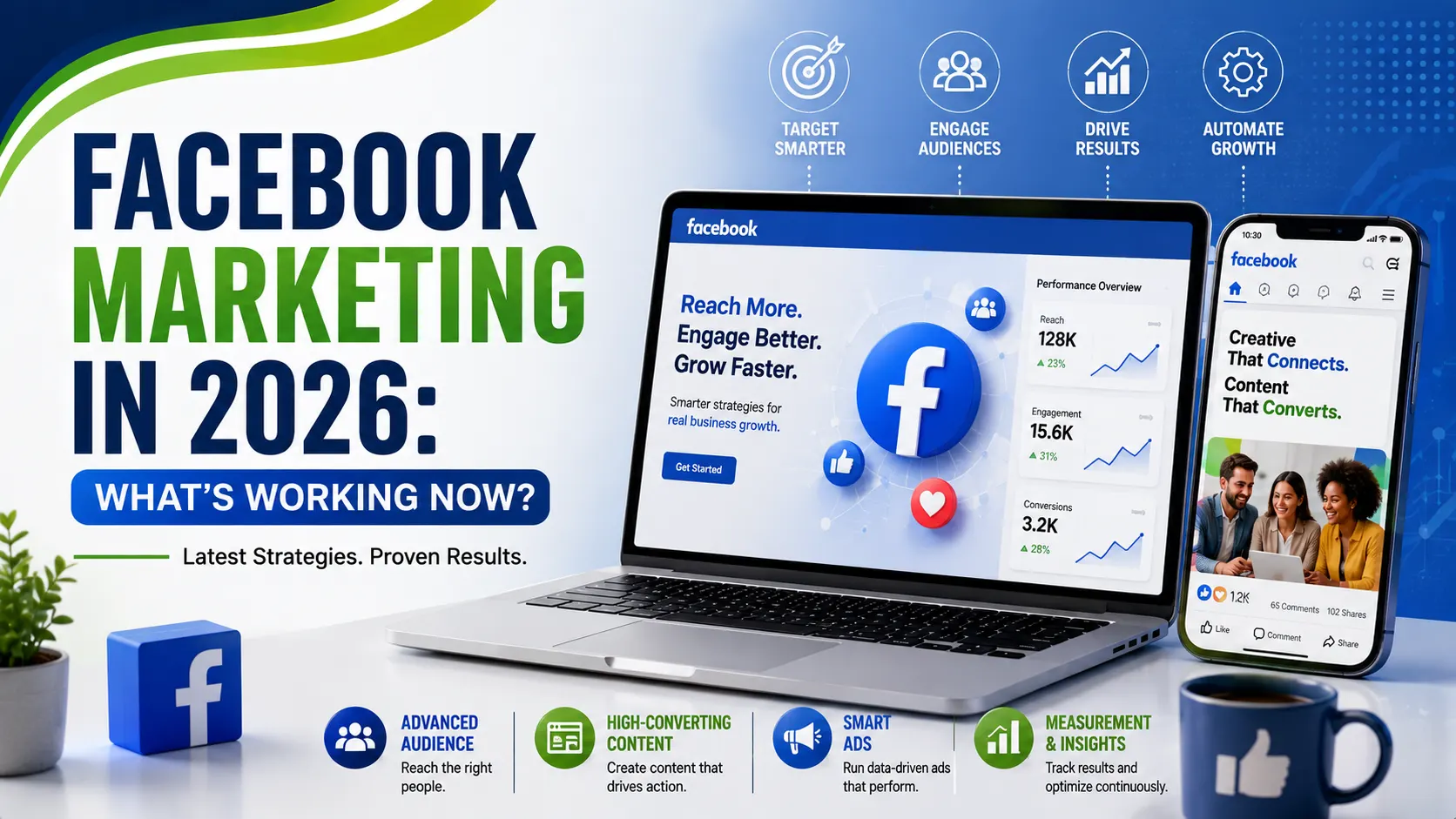
Facebook marketing in 2026 is having a real comeback referral traffic quadrupled for some publishers. Here's what actually changed, with real data.
Table of Contents
ToggleFacebook marketing in 2026 is having a genuine comeback few marketers saw coming. After years of shrinking organic reach, referral traffic to publishers has quadrupled year-over-year, and engagement on posts has tripled. The platform that felt like a chore in 2023 is quietly working again, but only for brands who've adapted to how differently it now ranks content.
01Facebook Marketing in 2026: What Actually Changed
YepAds' 2026 analysis puts hard numbers on the shift: some publishers are seeing 4x referral traffic growth compared to 2025, and the algorithm now favors engagement-based interactions, comments and shares, over passive likes specifically.
DesignRush's guide reframes what Facebook actually is now: rather than one algorithm, it's a set of ranking and recommendation systems, each trying to predict what a person will find valuable right now. Feed, Reels, Stories, Groups, and Marketplace each follow different priorities, treating them as one universal playbook is the most common mistake.
02Private Shares Now Beat Likes Entirely
Omnichat's 2026 algorithm analysis names the single biggest shift directly: the highest-weighted behavior in the current algorithm is no longer liking, it's users privately sharing a post to friends via Messenger or WhatsApp.
Cloudix Digital's guide translates that into a concrete comparison worth remembering: a single share to a Story or a save is now worth more than 50 generic likes. The algorithm treats private, effortful actions as far stronger evidence of value than a one-tap reaction.
Facebook's organic comeback isn't just theoretical. Social Media Examiner's April 2026 reporting cites Meta's own data: both views and time spent watching Reels on Facebook approximately doubled in the second half of 2025 compared to the same period the year before, and Meta is now doubling down specifically on original content and better content matching as a result.
03Facebook Marketing in 2026: The Link Penalty
HeroPost's 2026 guide is blunt about a mistake many brands still make: Facebook wants users to stay on Facebook, and content that includes external links, articles, blog posts, product pages, consistently receives lower algorithmic distribution than native content.
The workaround the same guide recommends is simple but often skipped: if you want to drive traffic to your website, put the link in the comments and post native content, a Reel, a carousel, a native video, in the main post body itself.
"Post and leave" is actively counterproductive in 2026, not just suboptimal. HeroPost's guide, referenced above, is specific: reply to every comment in the first two hours after posting. The algorithm reads low response rates as a signal that content isn't valuable enough to distribute further, and this simple habit has a measurable positive impact on reach.
04Groups vs Pages: Where Reach Actually Lives
NiceDigitals' agency-focused guide sets client expectations correctly: business Page reach is structurally limited compared to Groups and personal profiles, with median organic reach for Page posts usually under 2% of followers.
The same guide is direct about the practical implication: Facebook Groups perform better in terms of reach, largely because group posts signal community engagement rather than broadcast marketing. A Page alone rarely drives meaningful organic reach without a Group or Reels strategy layered on top.
05Facebook Reels: An Older, Underused Audience
HeroPost's guide, referenced above, notes something worth planning around specifically: Facebook Reels receive 3-5x the reach of standard feed posts for pages in growth mode, and if you're already creating Instagram Reels, cross-posting to Facebook takes minutes and significantly extends reach.
The demographic angle matters too: the Facebook Reels audience is distinctly older than TikTok's, making it particularly valuable for brands specifically targeting the 35-55 demographic, an audience segment many short-form video strategies overlook entirely.
06Signal Weight Comparison
A quick reference for how different engagement types now compare in ranking weight.
| Action | 2026 Ranking Weight | Why |
|---|---|---|
| Private share (Messenger/WhatsApp) | Highest | Effortful, private endorsement, strongest intent signal |
| Save / Share to Story | Very high | Worth roughly 50 generic likes per Cloudix Digital's estimate |
| Substantive comment | High | Quality assessed, not just comment count |
| Like | Low | Passive, weakest individual signal in 2026 |
| External link in post body | Actively suppressed | Sends users off-platform, against Meta's retention goals |
07Facebook Marketing in 2026: Practical Steps
A short list combining the strongest signals covered above into actionable practice.
Design content people will actually forward, private shares now outweigh likes as the top ranking signal.
Move links to the comments, keep the main post native to avoid the off-platform distribution penalty.
Reply within the first two hours, response rate is a measurable, direct ranking factor.
Layer a Group onto your Page strategy, Pages alone rarely reach beyond 2% of followers organically.
Cross-post Instagram Reels to Facebook, minimal extra effort, meaningfully different and often older audience.
08How Aligned Is Your Facebook Strategy?
Answer a few quick questions to check your current approach.
How Aligned Is Your Strategy?
Select the option that matches your current approach
09Common Questions
Yes, for brands adapting to the new rules. After years of decline, referral traffic to publishers has quadrupled year-over-year for some, and Reels views and watch time roughly doubled in late 2025.
Facebook's algorithm suppresses content that sends users off-platform, since Meta's business model depends on keeping people on Facebook. Put links in the comments instead and keep the main post native.
They still count, but they're the weakest engagement signal in 2026. Private shares via Messenger or WhatsApp now carry the most weight, followed by saves and substantive comments.
Both, ideally. A Page alone typically reaches under 2% of followers organically. Layering an active Group on top significantly improves reach, since group posts signal community engagement rather than broadcast marketing.
Yes. It takes minutes and reaches a distinctly older Facebook Reels audience, often 35-55, that many brands overlook when focusing exclusively on Instagram or TikTok.
Related Articles
What We Learn Today
Facebook referral traffic has quadrupled for some publishers in 2026
Private Messenger/WhatsApp shares now outrank likes entirely
External links in the post body get actively suppressed
Business Pages alone rarely reach beyond 2% of followers
Facebook Reels skew notably older than TikTok's audience
Replying within two hours is a measurable ranking factor
Build a Complete Meta Marketing Strategy
Facebook strategy pairs naturally with Instagram marketing and AI-generated visual content. Explore both guides next.
Related Posts
Previous Post
Next Post
Previous Post
Next Post

- Artificial Intelligence
- Content
- Core Web Vitals
- Development
- Digital Marketing
- Display Advertising
- Google Ads
- Google Search Console
- GTM
- HTML
- HTML CSS
- JavaScript
- Keyword Research
- Link Building
- LinkedIn Ads
- Local SEO
- Meta Ads
- Mobile SEO
- Off-Page SEO
- On-Page SEO
- Paid Media
- Paid Media Analytics
- PHP
- PPC Strategy
- Python
- SEO
- SEO Basics
- SEO Tools
- Social
- Technical SEO