
- Home
- SEODiscover the latest updates from across the United States, including politics, culture, economy, and trending stories. Stay informed on the key events shaping the nation and the topics everyone’s talking about.
- Technical SEOLearn technical SEO concepts including crawling, indexing, XML sitemaps, robots.txt, canonical tags, site architecture, and website performance.
- Local SEOOptimize your business for local seo with Google Business Profile, local citations, reviews, maps, and location-based SEO.
- Mobile SEOImprove your website’s mobile seo performance with responsive design, mobile-first indexing, usability, and page speed optimization.
- On-Page SEOExplore on-page seo optimization techniques such as title tags, meta descriptions, headings, URLs, internal linking, and content optimization.
- Off-Page SEODiscover off-page SEO strategies such as backlinks, digital PR, brand mentions, outreach, and authority building.
- SEO ToolsExplore the best SEO tools for keyword research, technical audits, backlink analysis, rank tracking, and website optimization.
- Core Web VitalsLearn how to improve Core Web Vitals including LCP, INP, CLS, page speed, and overall user experience for better rankings.
- Keyword ResearchLearn how to find profitable keywords, analyze search intent, evaluate competition, and build effective keyword strategies.
- Link BuildingMaster ethical link building techniques, backlink analysis, outreach methods, guest posting, and authority growth strategies.
- Google Search ConsoleLearn how to use Google Search Console to monitor indexing, fix errors, analyze search performance, and improve SEO.
- SEO BasicsLearn the fundamentals of search engine optimization (SEO Basics), including how search engines work, SEO terminology, and beginner-friendly best practices.
- Paid Media
- Display AdvertisingLearn display advertising strategies, banner ads, audience targeting, remarketing, Google Display campaigns, and optimization techniques.
- Google AdsLearn Google Ads strategies, campaign setup, bidding, keywords, Performance Max, Search Ads, and optimization techniques.
- LinkedIn AdsLearn LinkedIn Ads strategies for B2B marketing, lead generation, audience targeting, campaign optimization, and paid social advertising.
- Meta AdsLearn Meta Ads strategies for Facebook and Instagram, including campaign setup, targeting, retargeting, and performance optimization.
- Paid Media AnalyticsLearn paid media analytics, including CPC, CTR, CPA, ROAS, conversion tracking, attribution, reporting, and campaign performance analysis.
- PPC StrategyLearn effective PPC strategies, campaign planning, bidding, keyword targeting, landing pages, conversion optimization, and more.
- ContentTransform your living spaces with inspiration, tips, and trends in interior design. From minimalist decor to bold statements, find ideas for every style and budget.
- Social
- Digital MarketingExplore stories and advice on living your best life. From personal growth to entertainment, dive into the latest in lifestyle trends and inspiration.
- Artificial IntelligenceStay informed about health and wellness with expert advice, fitness tips, and the latest medical breakthroughs. Your guide to a healthier and happier life.
- DevelopmentYou will find development related educational articles
- GTMLearn Google Tag Manager (GTM) with practical guides for tags, triggers, variables, tracking, conversions, and website analytics implementation.
- HTMLLearn HTML with simple tutorials, examples, tags, elements, attributes, and best practices for building modern web pages.
- HTML CSSLearn HTML CSS together with practical tutorials, examples, layouts, styling techniques, responsive design, and modern web development practices.
- HTML JSLearn HTML JS – JavaScript with practical tutorials and examples for adding interactivity, dynamic content, events, and functionality to web pages.
- JavaScriptExplore JavaScript tutorials, examples, concepts, and practical techniques for creating interactive and dynamic websites and web applications.
- PHPLearn PHP programming with practical tutorials, examples, functions, syntax, and web development techniques for beginners and developers.
- PythonLearn Python programming with practical tutorials, examples, syntax, functions, automation techniques, and useful programming concepts.
- Home
- SEODiscover the latest updates from across the United States, including politics, culture, economy, and trending stories. Stay informed on the key events shaping the nation and the topics everyone’s talking about.
- Technical SEOLearn technical SEO concepts including crawling, indexing, XML sitemaps, robots.txt, canonical tags, site architecture, and website performance.
- Local SEOOptimize your business for local seo with Google Business Profile, local citations, reviews, maps, and location-based SEO.
- Mobile SEOImprove your website’s mobile seo performance with responsive design, mobile-first indexing, usability, and page speed optimization.
- On-Page SEOExplore on-page seo optimization techniques such as title tags, meta descriptions, headings, URLs, internal linking, and content optimization.
- Off-Page SEODiscover off-page SEO strategies such as backlinks, digital PR, brand mentions, outreach, and authority building.
- SEO ToolsExplore the best SEO tools for keyword research, technical audits, backlink analysis, rank tracking, and website optimization.
- Core Web VitalsLearn how to improve Core Web Vitals including LCP, INP, CLS, page speed, and overall user experience for better rankings.
- Keyword ResearchLearn how to find profitable keywords, analyze search intent, evaluate competition, and build effective keyword strategies.
- Link BuildingMaster ethical link building techniques, backlink analysis, outreach methods, guest posting, and authority growth strategies.
- Google Search ConsoleLearn how to use Google Search Console to monitor indexing, fix errors, analyze search performance, and improve SEO.
- SEO BasicsLearn the fundamentals of search engine optimization (SEO Basics), including how search engines work, SEO terminology, and beginner-friendly best practices.
- Paid Media
- Display AdvertisingLearn display advertising strategies, banner ads, audience targeting, remarketing, Google Display campaigns, and optimization techniques.
- Google AdsLearn Google Ads strategies, campaign setup, bidding, keywords, Performance Max, Search Ads, and optimization techniques.
- LinkedIn AdsLearn LinkedIn Ads strategies for B2B marketing, lead generation, audience targeting, campaign optimization, and paid social advertising.
- Meta AdsLearn Meta Ads strategies for Facebook and Instagram, including campaign setup, targeting, retargeting, and performance optimization.
- Paid Media AnalyticsLearn paid media analytics, including CPC, CTR, CPA, ROAS, conversion tracking, attribution, reporting, and campaign performance analysis.
- PPC StrategyLearn effective PPC strategies, campaign planning, bidding, keyword targeting, landing pages, conversion optimization, and more.
- ContentTransform your living spaces with inspiration, tips, and trends in interior design. From minimalist decor to bold statements, find ideas for every style and budget.
- Social
- Digital MarketingExplore stories and advice on living your best life. From personal growth to entertainment, dive into the latest in lifestyle trends and inspiration.
- Artificial IntelligenceStay informed about health and wellness with expert advice, fitness tips, and the latest medical breakthroughs. Your guide to a healthier and happier life.
- DevelopmentYou will find development related educational articles
- GTMLearn Google Tag Manager (GTM) with practical guides for tags, triggers, variables, tracking, conversions, and website analytics implementation.
- HTMLLearn HTML with simple tutorials, examples, tags, elements, attributes, and best practices for building modern web pages.
- HTML CSSLearn HTML CSS together with practical tutorials, examples, layouts, styling techniques, responsive design, and modern web development practices.
- HTML JSLearn HTML JS – JavaScript with practical tutorials and examples for adding interactivity, dynamic content, events, and functionality to web pages.
- JavaScriptExplore JavaScript tutorials, examples, concepts, and practical techniques for creating interactive and dynamic websites and web applications.
- PHPLearn PHP programming with practical tutorials, examples, functions, syntax, and web development techniques for beginners and developers.
- PythonLearn Python programming with practical tutorials, examples, syntax, functions, automation techniques, and useful programming concepts.
Now Reading: How to Repurpose Blog Content for Maximum Reach
-
01
How to Repurpose Blog Content for Maximum Reach
- Home//
- SEO//Discover the latest updates from across the United States, including politics, culture, economy, and trending stories. Stay informed on the key events shaping the nation and the topics everyone’s talking about.
- Technical SEO//Learn technical SEO concepts including crawling, indexing, XML sitemaps, robots.txt, canonical tags, site architecture, and website performance.
- Local SEO//Optimize your business for local seo with Google Business Profile, local citations, reviews, maps, and location-based SEO.
- Mobile SEO//Improve your website’s mobile seo performance with responsive design, mobile-first indexing, usability, and page speed optimization.
- On-Page SEO//Explore on-page seo optimization techniques such as title tags, meta descriptions, headings, URLs, internal linking, and content optimization.
- Off-Page SEO//Discover off-page SEO strategies such as backlinks, digital PR, brand mentions, outreach, and authority building.
- SEO Tools//Explore the best SEO tools for keyword research, technical audits, backlink analysis, rank tracking, and website optimization.
- Core Web Vitals//Learn how to improve Core Web Vitals including LCP, INP, CLS, page speed, and overall user experience for better rankings.
- Keyword Research//Learn how to find profitable keywords, analyze search intent, evaluate competition, and build effective keyword strategies.
- Link Building//Master ethical link building techniques, backlink analysis, outreach methods, guest posting, and authority growth strategies.
- Google Search Console//Learn how to use Google Search Console to monitor indexing, fix errors, analyze search performance, and improve SEO.
- SEO Basics//Learn the fundamentals of search engine optimization (SEO Basics), including how search engines work, SEO terminology, and beginner-friendly best practices.
- Paid Media//
- Display Advertising//Learn display advertising strategies, banner ads, audience targeting, remarketing, Google Display campaigns, and optimization techniques.
- Google Ads//Learn Google Ads strategies, campaign setup, bidding, keywords, Performance Max, Search Ads, and optimization techniques.
- LinkedIn Ads//Learn LinkedIn Ads strategies for B2B marketing, lead generation, audience targeting, campaign optimization, and paid social advertising.
- Meta Ads//Learn Meta Ads strategies for Facebook and Instagram, including campaign setup, targeting, retargeting, and performance optimization.
- Paid Media Analytics//Learn paid media analytics, including CPC, CTR, CPA, ROAS, conversion tracking, attribution, reporting, and campaign performance analysis.
- PPC Strategy//Learn effective PPC strategies, campaign planning, bidding, keyword targeting, landing pages, conversion optimization, and more.
- Content//Transform your living spaces with inspiration, tips, and trends in interior design. From minimalist decor to bold statements, find ideas for every style and budget.
- Social//
- Digital Marketing//Explore stories and advice on living your best life. From personal growth to entertainment, dive into the latest in lifestyle trends and inspiration.
- Artificial Intelligence//Stay informed about health and wellness with expert advice, fitness tips, and the latest medical breakthroughs. Your guide to a healthier and happier life.
- Development//You will find development related educational articles
- GTM//Learn Google Tag Manager (GTM) with practical guides for tags, triggers, variables, tracking, conversions, and website analytics implementation.
- HTML//Learn HTML with simple tutorials, examples, tags, elements, attributes, and best practices for building modern web pages.
- HTML CSS//Learn HTML CSS together with practical tutorials, examples, layouts, styling techniques, responsive design, and modern web development practices.
- HTML JS//Learn HTML JS – JavaScript with practical tutorials and examples for adding interactivity, dynamic content, events, and functionality to web pages.
- JavaScript//Explore JavaScript tutorials, examples, concepts, and practical techniques for creating interactive and dynamic websites and web applications.
- PHP//Learn PHP programming with practical tutorials, examples, functions, syntax, and web development techniques for beginners and developers.
- Python//Learn Python programming with practical tutorials, examples, syntax, functions, automation techniques, and useful programming concepts.
How to Repurpose Blog Content for Maximum Reach

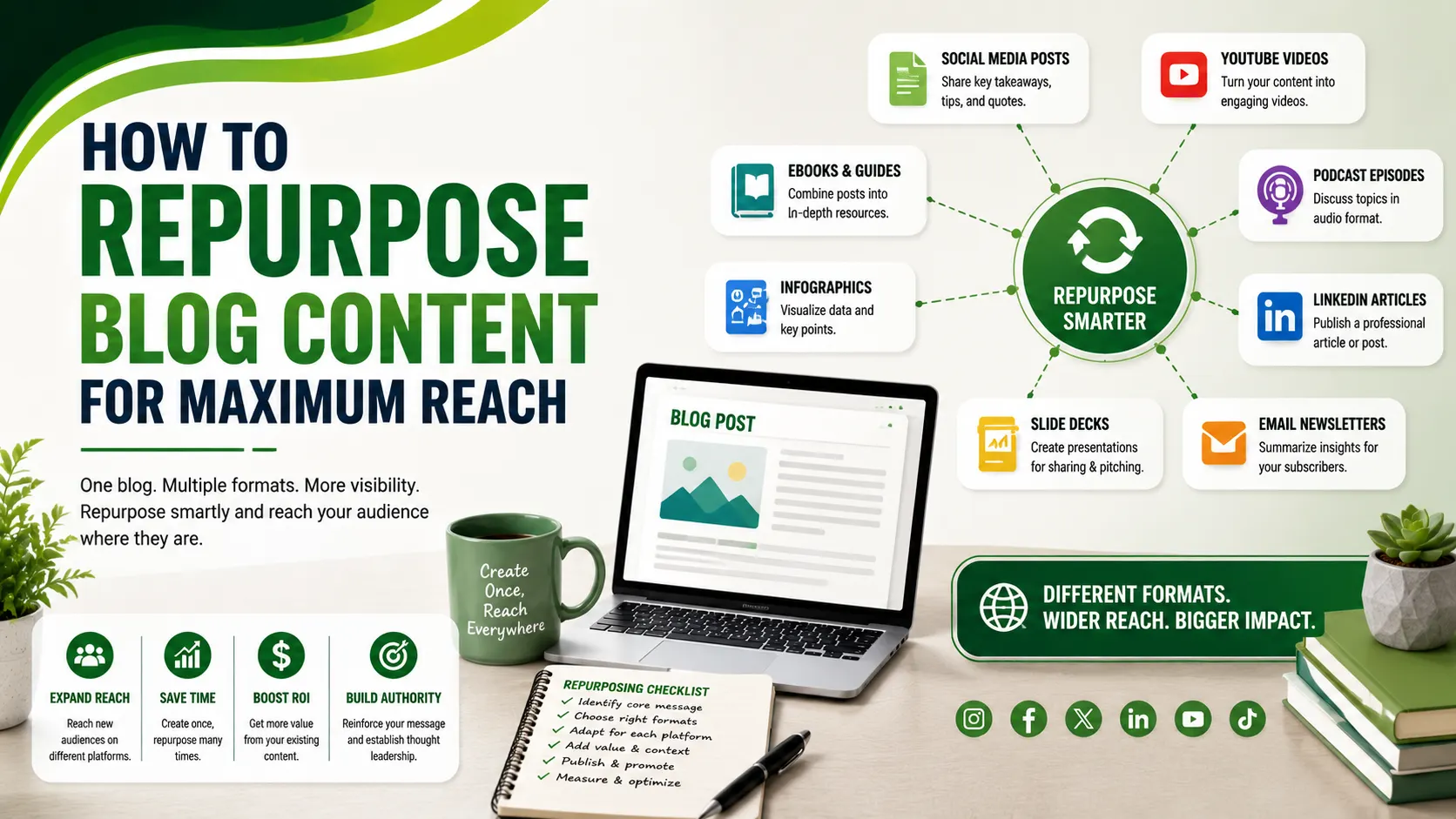
Repurposing blog content isn't reposting or cross-posting — it's rebuilding ideas into genuinely new formats. Here's the real workflow and real numbers.
Table of Contents
ToggleRepurposing blog content for maximum reach starts with a distinction most teams blur together: repurposing, reposting, and cross-posting are three different things. Repurposing is the actual creative work, taking one asset's core ideas and rebuilding them into a genuinely different format. Reposting shares the same link again later. Cross-posting shares the same post everywhere at once, which can feel off-tone on platforms it wasn't written for.
01How to Repurpose Blog Content: The Core Principle
PostClaw's guide names the actual technique that separates good repurposing from lazy repurposing: angle-based extraction, pulling out individual ideas instead of compressing the entire piece into one weak summary. A 2,000-word article usually contains 5-8 distinct, standalone ideas worth their own post.
Siege Media's guide draws the three-way distinction cleanly: repurposing is the creative heavy lifting, transforming a deep-dive blog post into a punchy LinkedIn thread or short-form video. Reposting and cross-posting save time but don't multiply the value the way genuine repurposing does.
02Syndication: A Proven, Underused Tactic
Pikto AI's guide cites the exact case worth studying: Buffer republished their old blog posts on Medium, leading to a 1,215% growth in traffic. Syndicating your best-performing content to established platforms puts it in front of an audience that will never visit your own site directly.
The same guide adds a second angle many teams overlook: mining your own Quora answers for blog post material works in reverse too, a detailed answer to a real question often becomes the seed of a genuinely useful article, since it's already proven the question resonates.
03Digital Asset Spin-Offs: Beyond Text
Buffer's own guide describes a specific, easy-to-miss repurposing win: turning a blog post into a custom OG image that capitalizes on a platform's native link-preview format, giving a shared link stronger visual presence in feeds. This connects directly to what our AI image generator guide covers, generating a unique social image per article rather than reusing a generic template.
DigitalApplied's 2026 guide reports LinkedIn's algorithm now penalizes engagement bait and external links by 60%. That single fact reshapes how blog repurposing should work on LinkedIn specifically, write the insight natively in the post itself and drop the link in the comments, rather than leading with a link the algorithm will actively suppress.
04A Repeatable Weekly Workflow
Postiv's guide lays out a genuinely usable weekly rhythm: Monday, review the previous week's published content and identify 3-5 core assets from each piece. Tuesday through Thursday, create repurposed content in batches by format, all carousels in one sitting, all text posts in another, to avoid constant context-switching.
DigitalApplied's guide, referenced above, sets a concrete target worth aiming for: 10 distinct content assets from every flagship blog post is achievable within a standard team's bandwidth once you have a documented repurposing checklist and at least partial automation in place.
Batching by format, not by source post, cuts real production time. Writing five LinkedIn captions back-to-back is faster than writing one caption, then switching to design a carousel, then switching again to script a short video. Group similar creative tasks together across multiple source pieces in a single sitting.
05The Evergreen Refresh Cycle
Reliqus' guide is specific about the maintenance side of repurposing, which is easy to neglect once initial distribution ends: audit old content every 3-6 months, updating statistics, case studies, and internal links, then re-publish with a new date and push it again via email and social.
This pairs directly with the pillar-cluster architecture covered in our content marketing strategy guide, refreshed spoke articles keep the entire hub structure current rather than letting older pieces quietly decay while new content gets all the attention.
06One Blog Post, Multiple Formats
A quick reference matrix for turning one source article into distinct, platform-native assets.
| Source Element | Repurposed Format | Best Platform |
|---|---|---|
| Core insight / thesis | Native text post, insight stated directly | LinkedIn, X |
| Step-by-step section | Carousel or document post | LinkedIn, Instagram |
| Key statistic | Quote graphic or data visual | Instagram, Pinterest |
| Full article | Republished on a syndication platform | Medium, industry publications |
| Multiple takeaways | Email digest or newsletter segment | Owned email list |
07Building the Habit
A short list to turn repurposing into a repeatable system rather than a one-off effort.
Start with proven, top-performing content, repurpose what's already validated, not unproven new drafts.
Extract angles, don't compress, pull individual ideas out rather than shrinking the whole piece into one weak summary.
Rewrite natively per platform, change the hook, length, and tone, don't just paste the same text everywhere.
Batch by format, not by source post, reduces context-switching and speeds up production meaningfully.
Audit and refresh every 3-6 months, update stats and internal links, then redistribute with a new date.
08Common Questions
Repurposing rebuilds content into a genuinely different format for a specific platform. Reposting shares the same link again later. Cross-posting shares the identical post everywhere at once, which can feel off-tone on platforms it wasn't written for.
10 distinct assets is a commonly cited, achievable target with a documented workflow and partial automation, though even 3-5 well-made pieces per post delivers meaningful additional reach.
Not necessarily, and it can significantly grow traffic. Buffer saw a 1,215% traffic increase from republishing old posts on Medium, syndication reaches audiences that would never find your own site directly.
Generally no. LinkedIn's algorithm penalizes engagement bait and external links by roughly 60%. Write the core insight natively in the post itself, and place the link in the comments instead.
Every 3-6 months for evergreen pieces. Update statistics, case studies, and internal links, then republish with a new date and push it again through email and social channels.
Related Articles
What We Learn Today
Repurposing, reposting, and cross-posting are three different tactics
Angle-based extraction beats compressing a whole piece into one summary
Syndication on Medium grew Buffer's traffic by 1,215%
Custom OG images are an easy-to-miss repurposing win
LinkedIn penalizes external links in the post body by roughly 60%
Evergreen content needs refreshing every 3-6 months, not just once
Build a Complete Content Distribution System
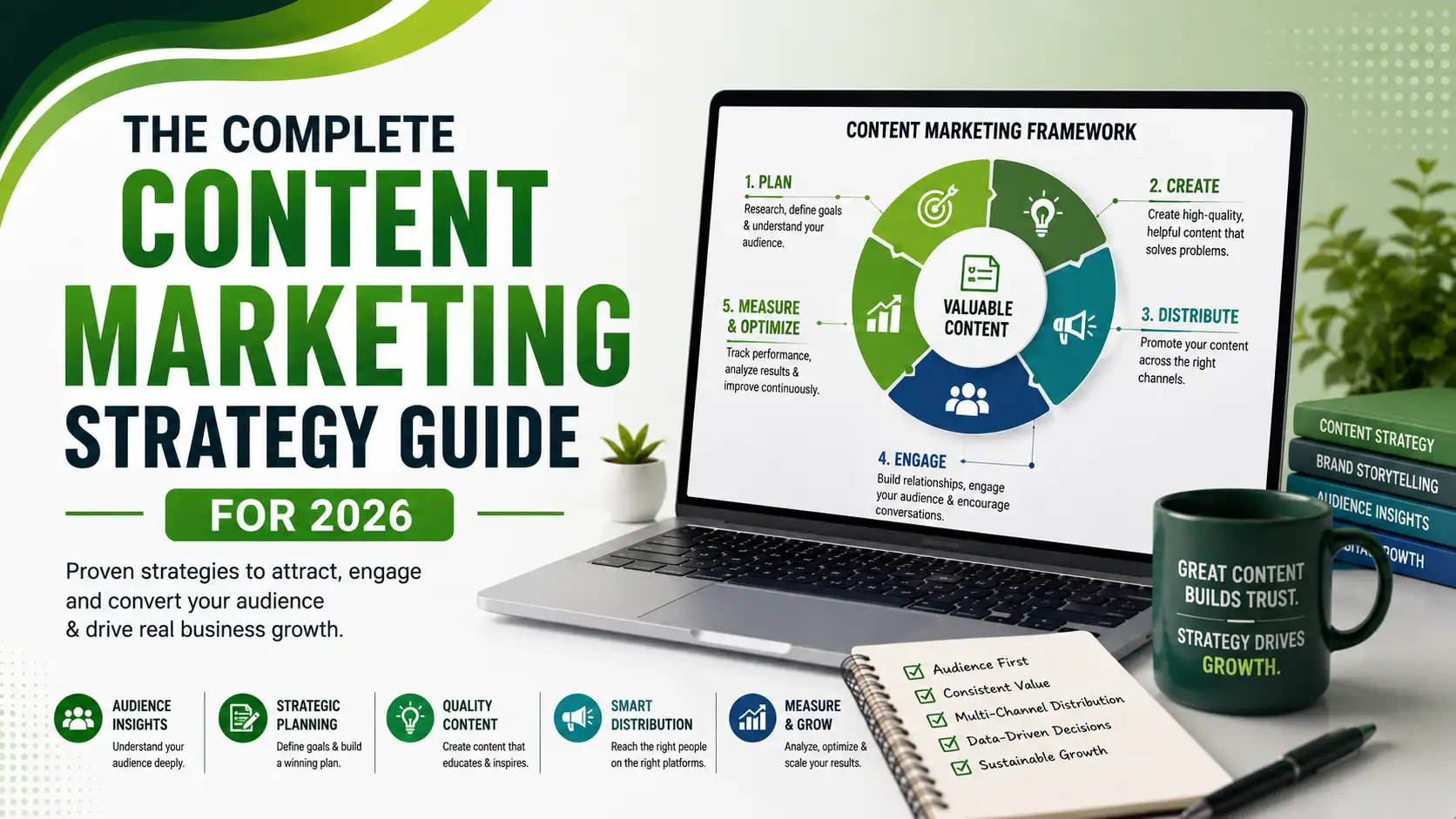
Repurposing pairs directly with the pillar-cluster architecture and distribution strategy covered in our content marketing guide. Explore both next.
Related Posts


Previous Post
Next Post
Previous Post
Next Post





- Artificial Intelligence
- Content
- Core Web Vitals
- Development
- Digital Marketing
- Display Advertising
- Google Ads
- Google Search Console
- GTM
- HTML
- HTML CSS
- JavaScript
- Keyword Research
- Link Building
- LinkedIn Ads
- Local SEO
- Meta Ads
- Mobile SEO
- Off-Page SEO
- On-Page SEO
- Paid Media
- Paid Media Analytics
- PHP
- PPC Strategy
- Python
- SEO
- SEO Basics
- SEO Tools
- Social
- Technical SEO