
- Home
- SEODiscover the latest updates from across the United States, including politics, culture, economy, and trending stories. Stay informed on the key events shaping the nation and the topics everyone’s talking about.
- Technical SEOLearn technical SEO concepts including crawling, indexing, XML sitemaps, robots.txt, canonical tags, site architecture, and website performance.
- Local SEOOptimize your business for local seo with Google Business Profile, local citations, reviews, maps, and location-based SEO.
- Mobile SEOImprove your website’s mobile seo performance with responsive design, mobile-first indexing, usability, and page speed optimization.
- On-Page SEOExplore on-page seo optimization techniques such as title tags, meta descriptions, headings, URLs, internal linking, and content optimization.
- Off-Page SEODiscover off-page SEO strategies such as backlinks, digital PR, brand mentions, outreach, and authority building.
- SEO ToolsExplore the best SEO tools for keyword research, technical audits, backlink analysis, rank tracking, and website optimization.
- Core Web VitalsLearn how to improve Core Web Vitals including LCP, INP, CLS, page speed, and overall user experience for better rankings.
- Keyword ResearchLearn how to find profitable keywords, analyze search intent, evaluate competition, and build effective keyword strategies.
- Link BuildingMaster ethical link building techniques, backlink analysis, outreach methods, guest posting, and authority growth strategies.
- Google Search ConsoleLearn how to use Google Search Console to monitor indexing, fix errors, analyze search performance, and improve SEO.
- SEO BasicsLearn the fundamentals of search engine optimization (SEO Basics), including how search engines work, SEO terminology, and beginner-friendly best practices.
- Paid Media
- Display AdvertisingLearn display advertising strategies, banner ads, audience targeting, remarketing, Google Display campaigns, and optimization techniques.
- Google AdsLearn Google Ads strategies, campaign setup, bidding, keywords, Performance Max, Search Ads, and optimization techniques.
- LinkedIn AdsLearn LinkedIn Ads strategies for B2B marketing, lead generation, audience targeting, campaign optimization, and paid social advertising.
- Meta AdsLearn Meta Ads strategies for Facebook and Instagram, including campaign setup, targeting, retargeting, and performance optimization.
- Paid Media AnalyticsLearn paid media analytics, including CPC, CTR, CPA, ROAS, conversion tracking, attribution, reporting, and campaign performance analysis.
- PPC StrategyLearn effective PPC strategies, campaign planning, bidding, keyword targeting, landing pages, conversion optimization, and more.
- ContentTransform your living spaces with inspiration, tips, and trends in interior design. From minimalist decor to bold statements, find ideas for every style and budget.
- Social
- Digital MarketingExplore stories and advice on living your best life. From personal growth to entertainment, dive into the latest in lifestyle trends and inspiration.
- Artificial IntelligenceStay informed about health and wellness with expert advice, fitness tips, and the latest medical breakthroughs. Your guide to a healthier and happier life.
- DevelopmentYou will find development related educational articles
- GTMLearn Google Tag Manager (GTM) with practical guides for tags, triggers, variables, tracking, conversions, and website analytics implementation.
- HTMLLearn HTML with simple tutorials, examples, tags, elements, attributes, and best practices for building modern web pages.
- HTML CSSLearn HTML CSS together with practical tutorials, examples, layouts, styling techniques, responsive design, and modern web development practices.
- HTML JSLearn HTML JS – JavaScript with practical tutorials and examples for adding interactivity, dynamic content, events, and functionality to web pages.
- JavaScriptExplore JavaScript tutorials, examples, concepts, and practical techniques for creating interactive and dynamic websites and web applications.
- PHPLearn PHP programming with practical tutorials, examples, functions, syntax, and web development techniques for beginners and developers.
- PythonLearn Python programming with practical tutorials, examples, syntax, functions, automation techniques, and useful programming concepts.
- Home
- SEODiscover the latest updates from across the United States, including politics, culture, economy, and trending stories. Stay informed on the key events shaping the nation and the topics everyone’s talking about.
- Technical SEOLearn technical SEO concepts including crawling, indexing, XML sitemaps, robots.txt, canonical tags, site architecture, and website performance.
- Local SEOOptimize your business for local seo with Google Business Profile, local citations, reviews, maps, and location-based SEO.
- Mobile SEOImprove your website’s mobile seo performance with responsive design, mobile-first indexing, usability, and page speed optimization.
- On-Page SEOExplore on-page seo optimization techniques such as title tags, meta descriptions, headings, URLs, internal linking, and content optimization.
- Off-Page SEODiscover off-page SEO strategies such as backlinks, digital PR, brand mentions, outreach, and authority building.
- SEO ToolsExplore the best SEO tools for keyword research, technical audits, backlink analysis, rank tracking, and website optimization.
- Core Web VitalsLearn how to improve Core Web Vitals including LCP, INP, CLS, page speed, and overall user experience for better rankings.
- Keyword ResearchLearn how to find profitable keywords, analyze search intent, evaluate competition, and build effective keyword strategies.
- Link BuildingMaster ethical link building techniques, backlink analysis, outreach methods, guest posting, and authority growth strategies.
- Google Search ConsoleLearn how to use Google Search Console to monitor indexing, fix errors, analyze search performance, and improve SEO.
- SEO BasicsLearn the fundamentals of search engine optimization (SEO Basics), including how search engines work, SEO terminology, and beginner-friendly best practices.
- Paid Media
- Display AdvertisingLearn display advertising strategies, banner ads, audience targeting, remarketing, Google Display campaigns, and optimization techniques.
- Google AdsLearn Google Ads strategies, campaign setup, bidding, keywords, Performance Max, Search Ads, and optimization techniques.
- LinkedIn AdsLearn LinkedIn Ads strategies for B2B marketing, lead generation, audience targeting, campaign optimization, and paid social advertising.
- Meta AdsLearn Meta Ads strategies for Facebook and Instagram, including campaign setup, targeting, retargeting, and performance optimization.
- Paid Media AnalyticsLearn paid media analytics, including CPC, CTR, CPA, ROAS, conversion tracking, attribution, reporting, and campaign performance analysis.
- PPC StrategyLearn effective PPC strategies, campaign planning, bidding, keyword targeting, landing pages, conversion optimization, and more.
- ContentTransform your living spaces with inspiration, tips, and trends in interior design. From minimalist decor to bold statements, find ideas for every style and budget.
- Social
- Digital MarketingExplore stories and advice on living your best life. From personal growth to entertainment, dive into the latest in lifestyle trends and inspiration.
- Artificial IntelligenceStay informed about health and wellness with expert advice, fitness tips, and the latest medical breakthroughs. Your guide to a healthier and happier life.
- DevelopmentYou will find development related educational articles
- GTMLearn Google Tag Manager (GTM) with practical guides for tags, triggers, variables, tracking, conversions, and website analytics implementation.
- HTMLLearn HTML with simple tutorials, examples, tags, elements, attributes, and best practices for building modern web pages.
- HTML CSSLearn HTML CSS together with practical tutorials, examples, layouts, styling techniques, responsive design, and modern web development practices.
- HTML JSLearn HTML JS – JavaScript with practical tutorials and examples for adding interactivity, dynamic content, events, and functionality to web pages.
- JavaScriptExplore JavaScript tutorials, examples, concepts, and practical techniques for creating interactive and dynamic websites and web applications.
- PHPLearn PHP programming with practical tutorials, examples, functions, syntax, and web development techniques for beginners and developers.
- PythonLearn Python programming with practical tutorials, examples, syntax, functions, automation techniques, and useful programming concepts.
Now Reading: Content Audit Explained: Improve Rankings with Existing Articles
-
01
Content Audit Explained: Improve Rankings with Existing Articles
- Home//
- SEO//Discover the latest updates from across the United States, including politics, culture, economy, and trending stories. Stay informed on the key events shaping the nation and the topics everyone’s talking about.
- Technical SEO//Learn technical SEO concepts including crawling, indexing, XML sitemaps, robots.txt, canonical tags, site architecture, and website performance.
- Local SEO//Optimize your business for local seo with Google Business Profile, local citations, reviews, maps, and location-based SEO.
- Mobile SEO//Improve your website’s mobile seo performance with responsive design, mobile-first indexing, usability, and page speed optimization.
- On-Page SEO//Explore on-page seo optimization techniques such as title tags, meta descriptions, headings, URLs, internal linking, and content optimization.
- Off-Page SEO//Discover off-page SEO strategies such as backlinks, digital PR, brand mentions, outreach, and authority building.
- SEO Tools//Explore the best SEO tools for keyword research, technical audits, backlink analysis, rank tracking, and website optimization.
- Core Web Vitals//Learn how to improve Core Web Vitals including LCP, INP, CLS, page speed, and overall user experience for better rankings.
- Keyword Research//Learn how to find profitable keywords, analyze search intent, evaluate competition, and build effective keyword strategies.
- Link Building//Master ethical link building techniques, backlink analysis, outreach methods, guest posting, and authority growth strategies.
- Google Search Console//Learn how to use Google Search Console to monitor indexing, fix errors, analyze search performance, and improve SEO.
- SEO Basics//Learn the fundamentals of search engine optimization (SEO Basics), including how search engines work, SEO terminology, and beginner-friendly best practices.
- Paid Media//
- Display Advertising//Learn display advertising strategies, banner ads, audience targeting, remarketing, Google Display campaigns, and optimization techniques.
- Google Ads//Learn Google Ads strategies, campaign setup, bidding, keywords, Performance Max, Search Ads, and optimization techniques.
- LinkedIn Ads//Learn LinkedIn Ads strategies for B2B marketing, lead generation, audience targeting, campaign optimization, and paid social advertising.
- Meta Ads//Learn Meta Ads strategies for Facebook and Instagram, including campaign setup, targeting, retargeting, and performance optimization.
- Paid Media Analytics//Learn paid media analytics, including CPC, CTR, CPA, ROAS, conversion tracking, attribution, reporting, and campaign performance analysis.
- PPC Strategy//Learn effective PPC strategies, campaign planning, bidding, keyword targeting, landing pages, conversion optimization, and more.
- Content//Transform your living spaces with inspiration, tips, and trends in interior design. From minimalist decor to bold statements, find ideas for every style and budget.
- Social//
- Digital Marketing//Explore stories and advice on living your best life. From personal growth to entertainment, dive into the latest in lifestyle trends and inspiration.
- Artificial Intelligence//Stay informed about health and wellness with expert advice, fitness tips, and the latest medical breakthroughs. Your guide to a healthier and happier life.
- Development//You will find development related educational articles
- GTM//Learn Google Tag Manager (GTM) with practical guides for tags, triggers, variables, tracking, conversions, and website analytics implementation.
- HTML//Learn HTML with simple tutorials, examples, tags, elements, attributes, and best practices for building modern web pages.
- HTML CSS//Learn HTML CSS together with practical tutorials, examples, layouts, styling techniques, responsive design, and modern web development practices.
- HTML JS//Learn HTML JS – JavaScript with practical tutorials and examples for adding interactivity, dynamic content, events, and functionality to web pages.
- JavaScript//Explore JavaScript tutorials, examples, concepts, and practical techniques for creating interactive and dynamic websites and web applications.
- PHP//Learn PHP programming with practical tutorials, examples, functions, syntax, and web development techniques for beginners and developers.
- Python//Learn Python programming with practical tutorials, examples, syntax, functions, automation techniques, and useful programming concepts.
Content Audit Explained: Improve Rankings with Existing Articles

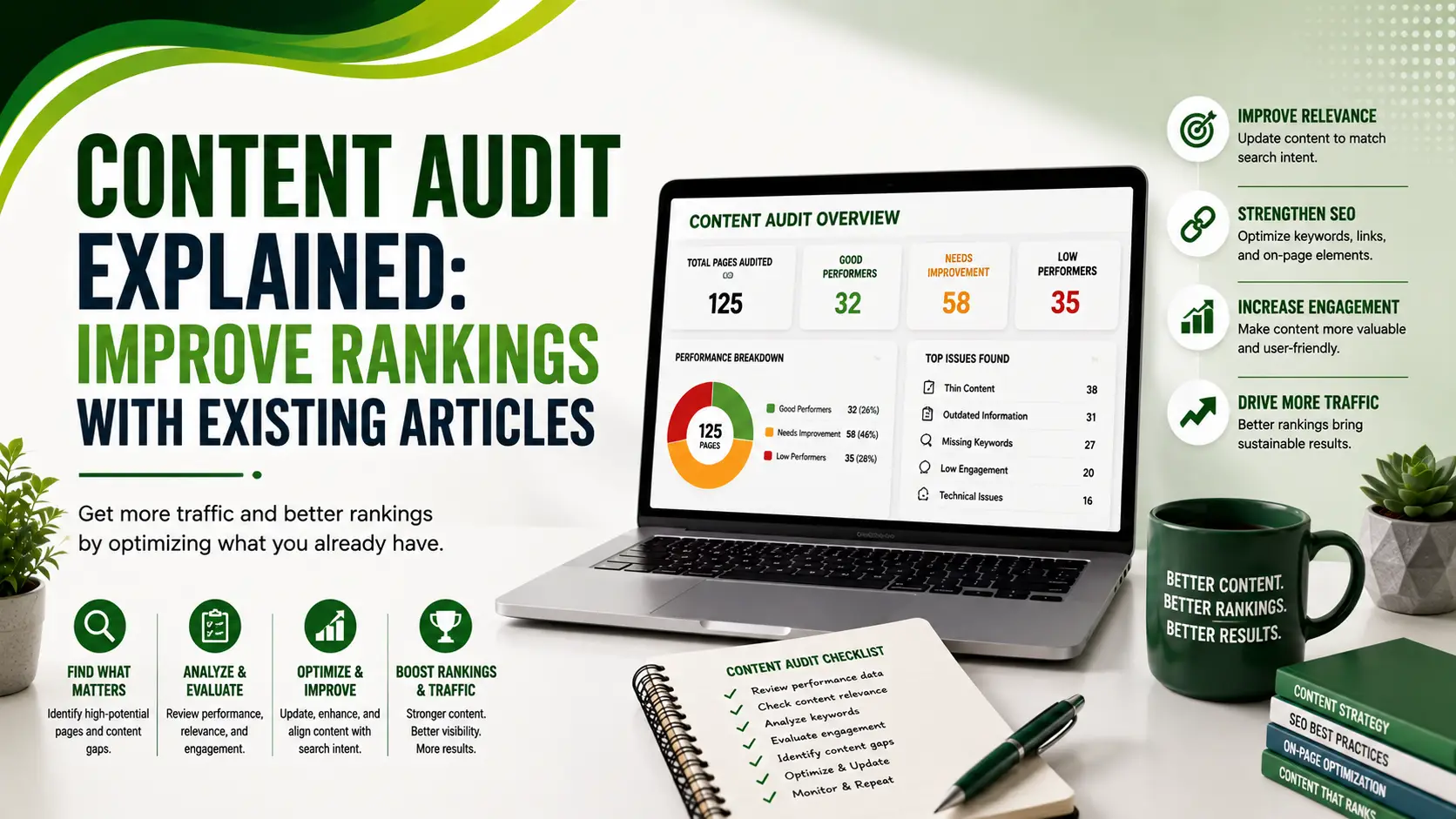
A content audit explained simply: score every page, then keep, update, consolidate, or delete it. CNET's pruning alone drove a 30% traffic surge.
Table of Contents
ToggleA content audit explained simply is a structured review of every page on your site, scored against performance, accuracy, and business value, then sorted into one of four actions: keep, update, consolidate, or delete. Most sites don't have a content problem they can see, they have hundreds of quietly decaying pages sitting right next to their best work, dragging down the whole domain's quality signal.
01Content Audit Explained: The Core Framework
Web Tonic's guide is specific about the stakes: pages built for a campaign that ended years ago keep collecting crawl budget and diluting a site's overall quality signal without anyone noticing. A content audit surfaces all of it at once, rather than one page at a time.
Semrush's own research, cited in Neal Schaffer's guide, quantifies the discipline gap: 65% of companies that succeed at content marketing run content audits at least twice a year. The businesses treating it as routine maintenance consistently outperform the ones treating it as an occasional cleanup project.
02Real Results: What Pruning Actually Delivers
AllAble's guide cites a widely referenced case worth knowing by name: when CNET pruned thousands of underperforming articles, their organic traffic surged by nearly 30%, according to Ahrefs data. Strategic content deletion has shown 15-30% traffic increases to core content within three months in multiple documented cases.
iMark Infotech's framework adds a specific recovery timeline: most sites can win back 30 to 60% of lost organic traffic in about 90 days, without writing a single new article, just by auditing, pruning, and refreshing what already exists.
A date change alone recovers nothing. iMark Infotech's framework, referenced above, is direct about this common shortcut: a substantive refresh updates outdated facts, deepens content to match current competitors, and realigns it with current search intent. Done well, this recovers 40 to 80% of lost traffic within about six weeks. Simply editing the published date without real content changes produces no recovery at all.
03Penalty vs Plateau vs Decay
Memorable's guide draws a distinction worth internalizing before starting any audit: a penalty means Google pushed you down for breaking a rule. A plateau means your pages stood still while sharper competitor pages walked right past them. Decay is slower and sneakier, solid old posts losing a position here and there as months pass.
The same guide notes what this means practically: most stalled sites don't actually have a penalty, they have a plateau or decay, which changes the entire fix. There's no violation to correct, just content that quietly stopped being the best answer to a query it once dominated.
04The Keep, Update, Consolidate, Delete Decision
Prometix AI's 2026 framework defines each action clearly: refresh when a page still matches current search intent and simply needs updated information, a pricing guide with old numbers plugged in is the classic refresh candidate. Consolidate when two or three pages compete for the same keyword, splitting authority between them, a pattern called keyword cannibalization.
The same guide is direct about the fourth option: prune when the topic itself is dead, search demand has vanished, or the page was thin and never earned links or traffic to begin with. Not every underperforming page deserves a rescue.
Never delete a page without a redirect. Neal Schaffer's guide, referenced above, is blunt about this common mistake: every deletion without a redirect is a broken experience and a lost signal. Consolidating two competing pages means merging the stronger content and 301-redirecting the weaker URL, not simply removing it and hoping nobody notices.
05The AI Visibility Layer
Huble's guide names what's genuinely new in a 2026 audit: it also assesses whether AI search engines can find and cite your content, not just whether it ranks in Google. Pages that aren't structured for citation can rank fine in classic search yet stay completely invisible in AI answers.
This connects directly to our AI search ranking factors guide, since the same extractability and clarity signals that earn a citation are exactly what a modern content audit should be scoring pages against, alongside traditional keyword rankings.
06Simple Scoring Model Reference
A lightweight scoring approach for triaging pages before deeper review.
| Signal | Score 1-5 | What It Measures |
|---|---|---|
| Keyword ranking position | 1-5 | Top 10, top 20, or beyond for primary keyword |
| Backlink count | 1-5 | External domains linking to the page |
| On-page optimization | 1-5 | Title, meta description, heading structure, internal links |
| Core Web Vitals | 1-5 | LCP, INP, and CLS passing or failing |
| YoY traffic trend | 1-5 | Flag any page down 20%+ year-over-year automatically |
Pages scoring 20+ out of 25 are healthy. 10-19 needs attention. Under 10 is a strong candidate for merging or deletion.
07Running Your First Audit
A short list to avoid the most common mistakes teams make on a first pass.
Build a complete inventory first, combine your XML sitemap, a full crawl, and Search Console coverage data.
Cross-reference channels before pruning, a low-organic-traffic page might be your best PPC landing page.
Check for cannibalization, multiple pages competing for one keyword often masquerades as decay.
Redirect every deletion, never remove a page without a proper 301 to preserve the signal.
Treat it as recurring, not one-time, content decay is constant, one audit doesn't fix a library permanently.
08How Urgently Do You Need an Audit?
Answer a few quick questions to check where your site stands.
How Urgently Do You Need an Audit?
Select the option that matches your site
09Common Questions
It genuinely helps. When CNET pruned thousands of underperforming articles, organic traffic surged nearly 30%. Removing low-value pages concentrates link equity and improves overall domain quality signals.
A penalty means Google actively pushed a page down for breaking a rule. Decay is slower and passive, a page simply loses ground as competitors publish fresher, deeper content over time. Most stalled sites have decay, not a penalty.
No. A date change alone does nothing. Recovery comes from substantive updates, updated facts, deeper coverage, and realigned search intent, treated as real content production, not a cosmetic timestamp edit.
65% of successful content marketers run audits at least twice a year. A light quarterly audit on top-performing pages plus a full annual audit is a commonly recommended cadence.
It happens when multiple pages target the same or very similar keyword, splitting ranking signals so neither reaches its full potential. Fix it by consolidating the strongest content into one page and 301-redirecting the weaker ones.
Related Articles
What We Learn Today
Every page gets one of four actions: keep, update, consolidate, delete
Pruning delivered CNET a nearly 30% organic traffic surge
Penalty, plateau, and decay are three genuinely different problems
A date change alone recovers nothing, substantive updates do
Cannibalization often masquerades as unexplained content decay
2026 audits now score AI citability alongside traditional rankings
Complete Your Content Lifecycle System
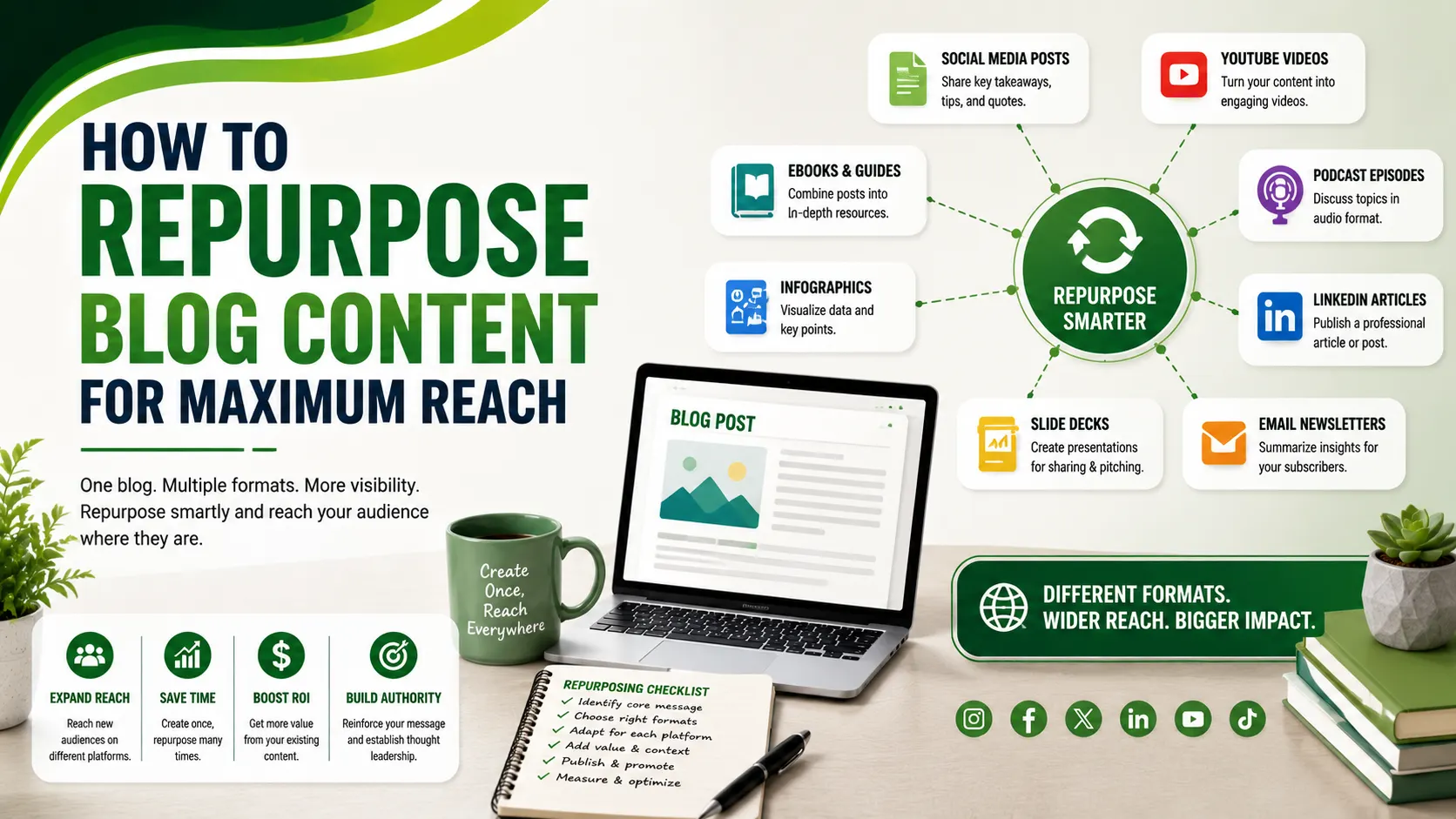
Auditing pairs directly with the content strategy and repurposing workflows covered in our other guides. Explore both next.
Related Posts


Previous Post
Next Post
Previous Post
Next Post




- Artificial Intelligence
- Content
- Core Web Vitals
- Development
- Digital Marketing
- Display Advertising
- Google Ads
- Google Search Console
- GTM
- HTML
- HTML CSS
- JavaScript
- Keyword Research
- Link Building
- LinkedIn Ads
- Local SEO
- Meta Ads
- Mobile SEO
- Off-Page SEO
- On-Page SEO
- Paid Media
- Paid Media Analytics
- PHP
- PPC Strategy
- Python
- SEO
- SEO Basics
- SEO Tools
- Social
- Technical SEO