

- Home
- SEODiscover the latest updates from across the United States, including politics, culture, economy, and trending stories. Stay informed on the key events shaping the nation and the topics everyone’s talking about.
- Technical SEOLearn technical SEO concepts including crawling, indexing, XML sitemaps, robots.txt, canonical tags, site architecture, and website performance.
- Local SEOOptimize your business for local seo with Google Business Profile, local citations, reviews, maps, and location-based SEO.
- Mobile SEOImprove your website’s mobile seo performance with responsive design, mobile-first indexing, usability, and page speed optimization.
- On-Page SEOExplore on-page seo optimization techniques such as title tags, meta descriptions, headings, URLs, internal linking, and content optimization.
- Off-Page SEODiscover off-page SEO strategies such as backlinks, digital PR, brand mentions, outreach, and authority building.
- SEO ToolsExplore the best SEO tools for keyword research, technical audits, backlink analysis, rank tracking, and website optimization.
- Core Web VitalsLearn how to improve Core Web Vitals including LCP, INP, CLS, page speed, and overall user experience for better rankings.
- Keyword ResearchLearn how to find profitable keywords, analyze search intent, evaluate competition, and build effective keyword strategies.
- Link BuildingMaster ethical link building techniques, backlink analysis, outreach methods, guest posting, and authority growth strategies.
- Google Search ConsoleLearn how to use Google Search Console to monitor indexing, fix errors, analyze search performance, and improve SEO.
- SEO BasicsLearn the fundamentals of search engine optimization (SEO Basics), including how search engines work, SEO terminology, and beginner-friendly best practices.
- Paid Media
- Display AdvertisingLearn display advertising strategies, banner ads, audience targeting, remarketing, Google Display campaigns, and optimization techniques.
- Google AdsLearn Google Ads strategies, campaign setup, bidding, keywords, Performance Max, Search Ads, and optimization techniques.
- LinkedIn AdsLearn LinkedIn Ads strategies for B2B marketing, lead generation, audience targeting, campaign optimization, and paid social advertising.
- Meta AdsLearn Meta Ads strategies for Facebook and Instagram, including campaign setup, targeting, retargeting, and performance optimization.
- Paid Media AnalyticsLearn paid media analytics, including CPC, CTR, CPA, ROAS, conversion tracking, attribution, reporting, and campaign performance analysis.
- PPC StrategyLearn effective PPC strategies, campaign planning, bidding, keyword targeting, landing pages, conversion optimization, and more.
- ContentTransform your living spaces with inspiration, tips, and trends in interior design. From minimalist decor to bold statements, find ideas for every style and budget.
- Social
- Digital MarketingExplore stories and advice on living your best life. From personal growth to entertainment, dive into the latest in lifestyle trends and inspiration.
- Artificial IntelligenceStay informed about health and wellness with expert advice, fitness tips, and the latest medical breakthroughs. Your guide to a healthier and happier life.
- DevelopmentYou will find development related educational articles
- GTMLearn Google Tag Manager (GTM) with practical guides for tags, triggers, variables, tracking, conversions, and website analytics implementation.
- HTMLLearn HTML with simple tutorials, examples, tags, elements, attributes, and best practices for building modern web pages.
- HTML CSSLearn HTML CSS together with practical tutorials, examples, layouts, styling techniques, responsive design, and modern web development practices.
- HTML JSLearn HTML JS – JavaScript with practical tutorials and examples for adding interactivity, dynamic content, events, and functionality to web pages.
- JavaScriptExplore JavaScript tutorials, examples, concepts, and practical techniques for creating interactive and dynamic websites and web applications.
- PHPLearn PHP programming with practical tutorials, examples, functions, syntax, and web development techniques for beginners and developers.
- PythonLearn Python programming with practical tutorials, examples, syntax, functions, automation techniques, and useful programming concepts.
- Home
- SEODiscover the latest updates from across the United States, including politics, culture, economy, and trending stories. Stay informed on the key events shaping the nation and the topics everyone’s talking about.
- Technical SEOLearn technical SEO concepts including crawling, indexing, XML sitemaps, robots.txt, canonical tags, site architecture, and website performance.
- Local SEOOptimize your business for local seo with Google Business Profile, local citations, reviews, maps, and location-based SEO.
- Mobile SEOImprove your website’s mobile seo performance with responsive design, mobile-first indexing, usability, and page speed optimization.
- On-Page SEOExplore on-page seo optimization techniques such as title tags, meta descriptions, headings, URLs, internal linking, and content optimization.
- Off-Page SEODiscover off-page SEO strategies such as backlinks, digital PR, brand mentions, outreach, and authority building.
- SEO ToolsExplore the best SEO tools for keyword research, technical audits, backlink analysis, rank tracking, and website optimization.
- Core Web VitalsLearn how to improve Core Web Vitals including LCP, INP, CLS, page speed, and overall user experience for better rankings.
- Keyword ResearchLearn how to find profitable keywords, analyze search intent, evaluate competition, and build effective keyword strategies.
- Link BuildingMaster ethical link building techniques, backlink analysis, outreach methods, guest posting, and authority growth strategies.
- Google Search ConsoleLearn how to use Google Search Console to monitor indexing, fix errors, analyze search performance, and improve SEO.
- SEO BasicsLearn the fundamentals of search engine optimization (SEO Basics), including how search engines work, SEO terminology, and beginner-friendly best practices.
- Paid Media
- Display AdvertisingLearn display advertising strategies, banner ads, audience targeting, remarketing, Google Display campaigns, and optimization techniques.
- Google AdsLearn Google Ads strategies, campaign setup, bidding, keywords, Performance Max, Search Ads, and optimization techniques.
- LinkedIn AdsLearn LinkedIn Ads strategies for B2B marketing, lead generation, audience targeting, campaign optimization, and paid social advertising.
- Meta AdsLearn Meta Ads strategies for Facebook and Instagram, including campaign setup, targeting, retargeting, and performance optimization.
- Paid Media AnalyticsLearn paid media analytics, including CPC, CTR, CPA, ROAS, conversion tracking, attribution, reporting, and campaign performance analysis.
- PPC StrategyLearn effective PPC strategies, campaign planning, bidding, keyword targeting, landing pages, conversion optimization, and more.
- ContentTransform your living spaces with inspiration, tips, and trends in interior design. From minimalist decor to bold statements, find ideas for every style and budget.
- Social
- Digital MarketingExplore stories and advice on living your best life. From personal growth to entertainment, dive into the latest in lifestyle trends and inspiration.
- Artificial IntelligenceStay informed about health and wellness with expert advice, fitness tips, and the latest medical breakthroughs. Your guide to a healthier and happier life.
- DevelopmentYou will find development related educational articles
- GTMLearn Google Tag Manager (GTM) with practical guides for tags, triggers, variables, tracking, conversions, and website analytics implementation.
- HTMLLearn HTML with simple tutorials, examples, tags, elements, attributes, and best practices for building modern web pages.
- HTML CSSLearn HTML CSS together with practical tutorials, examples, layouts, styling techniques, responsive design, and modern web development practices.
- HTML JSLearn HTML JS – JavaScript with practical tutorials and examples for adding interactivity, dynamic content, events, and functionality to web pages.
- JavaScriptExplore JavaScript tutorials, examples, concepts, and practical techniques for creating interactive and dynamic websites and web applications.
- PHPLearn PHP programming with practical tutorials, examples, functions, syntax, and web development techniques for beginners and developers.
- PythonLearn Python programming with practical tutorials, examples, syntax, functions, automation techniques, and useful programming concepts.
Now Reading: Google Ads Bidding Change: What Happens August 17, 2026 If You’re Beating Target CPA
-
01
Google Ads Bidding Change: What Happens August 17, 2026 If You’re Beating Target CPA
- Home//
- SEO//Discover the latest updates from across the United States, including politics, culture, economy, and trending stories. Stay informed on the key events shaping the nation and the topics everyone’s talking about.
- Technical SEO//Learn technical SEO concepts including crawling, indexing, XML sitemaps, robots.txt, canonical tags, site architecture, and website performance.
- Local SEO//Optimize your business for local seo with Google Business Profile, local citations, reviews, maps, and location-based SEO.
- Mobile SEO//Improve your website’s mobile seo performance with responsive design, mobile-first indexing, usability, and page speed optimization.
- On-Page SEO//Explore on-page seo optimization techniques such as title tags, meta descriptions, headings, URLs, internal linking, and content optimization.
- Off-Page SEO//Discover off-page SEO strategies such as backlinks, digital PR, brand mentions, outreach, and authority building.
- SEO Tools//Explore the best SEO tools for keyword research, technical audits, backlink analysis, rank tracking, and website optimization.
- Core Web Vitals//Learn how to improve Core Web Vitals including LCP, INP, CLS, page speed, and overall user experience for better rankings.
- Keyword Research//Learn how to find profitable keywords, analyze search intent, evaluate competition, and build effective keyword strategies.
- Link Building//Master ethical link building techniques, backlink analysis, outreach methods, guest posting, and authority growth strategies.
- Google Search Console//Learn how to use Google Search Console to monitor indexing, fix errors, analyze search performance, and improve SEO.
- SEO Basics//Learn the fundamentals of search engine optimization (SEO Basics), including how search engines work, SEO terminology, and beginner-friendly best practices.
- Paid Media//
- Display Advertising//Learn display advertising strategies, banner ads, audience targeting, remarketing, Google Display campaigns, and optimization techniques.
- Google Ads//Learn Google Ads strategies, campaign setup, bidding, keywords, Performance Max, Search Ads, and optimization techniques.
- LinkedIn Ads//Learn LinkedIn Ads strategies for B2B marketing, lead generation, audience targeting, campaign optimization, and paid social advertising.
- Meta Ads//Learn Meta Ads strategies for Facebook and Instagram, including campaign setup, targeting, retargeting, and performance optimization.
- Paid Media Analytics//Learn paid media analytics, including CPC, CTR, CPA, ROAS, conversion tracking, attribution, reporting, and campaign performance analysis.
- PPC Strategy//Learn effective PPC strategies, campaign planning, bidding, keyword targeting, landing pages, conversion optimization, and more.
- Content//Transform your living spaces with inspiration, tips, and trends in interior design. From minimalist decor to bold statements, find ideas for every style and budget.
- Social//
- Digital Marketing//Explore stories and advice on living your best life. From personal growth to entertainment, dive into the latest in lifestyle trends and inspiration.
- Artificial Intelligence//Stay informed about health and wellness with expert advice, fitness tips, and the latest medical breakthroughs. Your guide to a healthier and happier life.
- Development//You will find development related educational articles
- GTM//Learn Google Tag Manager (GTM) with practical guides for tags, triggers, variables, tracking, conversions, and website analytics implementation.
- HTML//Learn HTML with simple tutorials, examples, tags, elements, attributes, and best practices for building modern web pages.
- HTML CSS//Learn HTML CSS together with practical tutorials, examples, layouts, styling techniques, responsive design, and modern web development practices.
- HTML JS//Learn HTML JS – JavaScript with practical tutorials and examples for adding interactivity, dynamic content, events, and functionality to web pages.
- JavaScript//Explore JavaScript tutorials, examples, concepts, and practical techniques for creating interactive and dynamic websites and web applications.
- PHP//Learn PHP programming with practical tutorials, examples, functions, syntax, and web development techniques for beginners and developers.
- Python//Learn Python programming with practical tutorials, examples, syntax, functions, automation techniques, and useful programming concepts.
- Home
- Paid Media
- Google Ads
- Google Ads Bidding Change: What Happens August 17, 2026 If You’re Beating Target CPA
Google Ads Bidding Change: What Happens August 17, 2026 If You’re Beating Target CPA

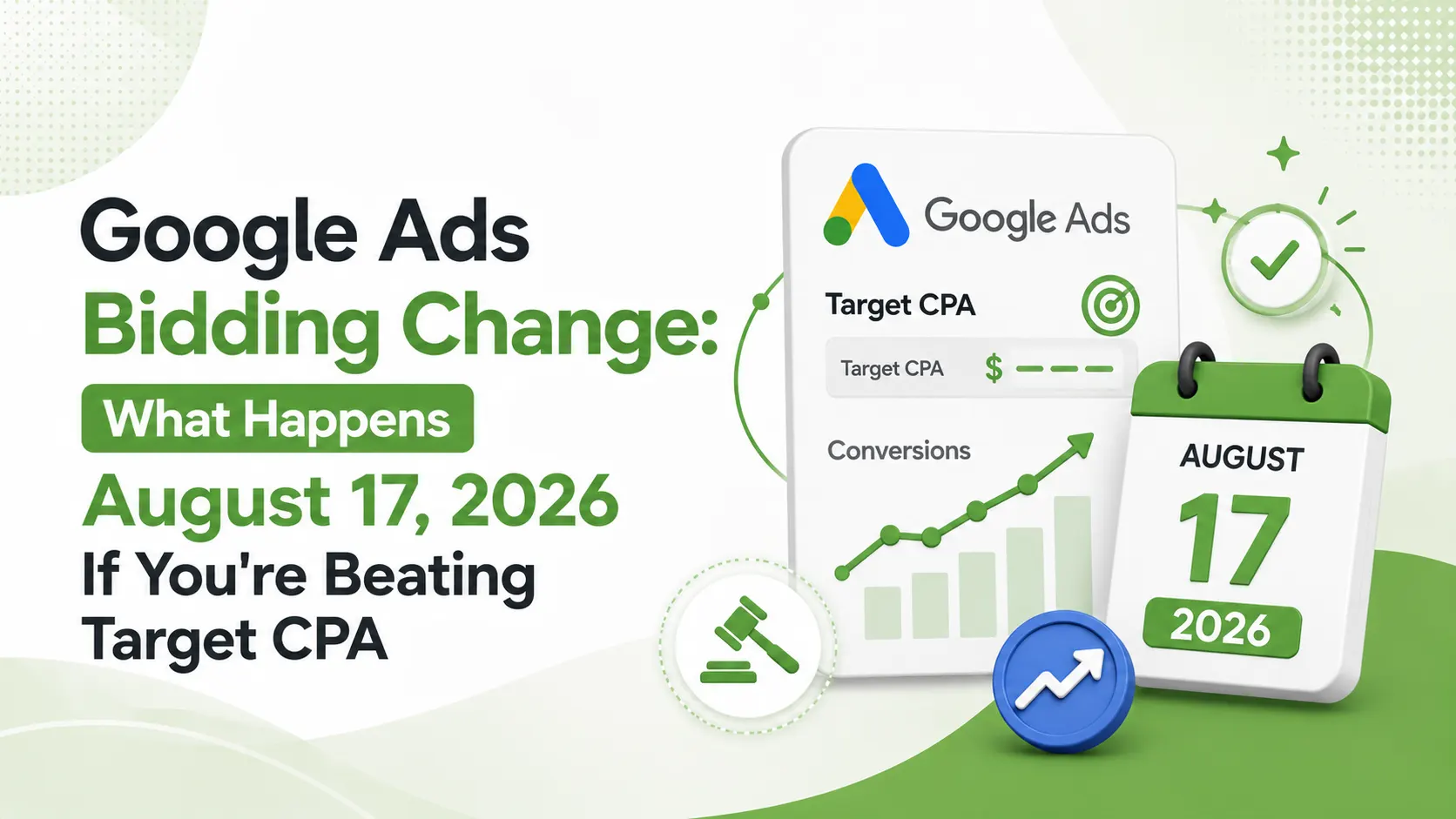
Aug 17 countdown timeline, which campaign types are affected (table), tabs for in-scope vs. out-of-scope campaigns, and a practical "how to set a realistic target" walkthrough.
Table of Contents
ToggleIf your Google Ads campaigns have been quietly beating their Target CPA or Target ROAS, enjoy it while it lasts. Starting August 17, 2026, Google is steering budget-limited campaigns back toward the exact Target CPA you typed in, and the countdown to that date is already running.
This is not a small tweak buried in a release note. It is a change to how Smart Bidding behaves on some of the most common campaign types in Google Ads.
It affects any account that has ever let a Target CPA or Target ROAS campaign quietly overperform against its budget.
We recently covered the updated Google Ads terms of service, which hand more control to Google's automated systems. This bidding change is the practical, campaign-level version of that same shift, and it comes with a hard deadline.
What Is Actually Changing on August 17
Today, when a campaign carries a "Limited by budget" status and runs on Target CPA or Target ROAS, it can quietly beat its own target.
A campaign set to a $10 Target CPA might actually be converting closer to $5, and Google's system has been letting that efficiency happen.
After August 17, 2026, that changes. Budget-limited campaigns using a target-based bid strategy will perform more consistently toward the target you actually set, even when you adjust your budget.
Google has been direct about the outcome: a campaign converting at a $5 CPA against a $10 target will start drifting up toward that $10 figure.
Change Announced
Google announces the mid-year bidding and budgeting overhaul, including the Target CPA and Target ROAS update.
Notifications Sent
Google emails advertisers whose accounts have budget-limited, target-based campaigns from the past 12 months.
Adjustment Tool Live
The Bid Target Adjustment Tool becomes available, letting advertisers review historical performance before enforcement.
Change Takes Effect
Budget-limited Target CPA and Target ROAS campaigns begin performing more consistently toward their stated targets.
Before vs. After: How Budget-Limited Bidding Behaves
Before August 17, 2026
After August 17, 2026
Why Google Is Making This Bidding Change
Google frames the update as a fix for a known inconsistency. Budget-limited campaigns overperforming their targets sounds like a win, but it actually creates unpredictable behavior whenever an advertiser adjusts spend.
Predictability Over Quiet Overperformance
Google says the goal is more consistent, predictable performance when advertisers grow or shrink budgets, rather than campaigns that behave differently depending on hidden efficiency headroom.
Budgets Stay Respected
Google has confirmed that daily and monthly budget limits will always be respected under the new behavior, and the change will not directly increase overall spend.
Targets Won't Move Without You
Google will not automatically adjust your bidding targets or budgets. If you want a different outcome, you have to use the Bid Target Adjustment Tool yourself.
The Trigger Is Broad
Notifications went out to any account with a budget-limited, target-based campaign in the past 12 months, which means even inactive or forgotten campaigns can surface under this change.
A Three-Way Choice Is Offered
The Bid Target Adjustment Tool gives advertisers three paths: keep the existing target, match it closer to recent real performance, or set a new custom target entirely.
Is Your Account Affected?
Not every campaign type falls under this bidding change. Tap through to check where you stand.
The update applies to budget-limited Search, Shopping, Performance Max, Demand Gen, and Travel campaigns running on Target CPA or Target ROAS, whether managed through Google Ads, Search Ads 360, or Display & Video 360 for Demand Gen.
App campaigns, Video reach campaigns, and Video view campaigns are out of scope entirely. Hotel and Display campaigns already behave this way today, so nothing changes for them. Campaigns that are not budget-limited are also unaffected, since the update only targets the budget-constrained scenario.
Campaign Type Impact at a Glance
| Campaign Type | Uses Target CPA/ROAS | Affected by August 17 Change |
|---|---|---|
| Search | Yes | Yes, if budget-limited |
| Shopping | Yes | Yes, if budget-limited |
| Performance Max | Yes | Yes, if budget-limited |
| Demand Gen | Yes | Yes, if budget-limited |
| Travel | Yes | Yes, if budget-limited |
| Hotel | Yes | No change, already behaves this way |
| Display | Yes | No change, already behaves this way |
| App, Video reach, Video view | No | Out of scope |
What Helps and What to Watch For
Why the Change Can Help You
What to Watch For
How to Prepare Before the Deadline
Start inside Google Ads by filtering your campaigns for "Limited by budget" status combined with Target CPA or Target ROAS bidding. This single filter will surface almost every Target CPA and Target ROAS campaign this change touches.
Once you have that list, open the Bid Target Adjustment Tool for each one. It shows your recent actual performance next to your stated Target CPA, which makes the gap between the two immediately obvious.
From there, you have three real choices. Keep the target if it genuinely reflects the cost per conversion you want going forward.
Match it closer to recent performance if the current target was set a long time ago and no longer fits. Or set a completely custom target if your goals have shifted since the campaign launched.
If you manage several accounts or a mix of automated and manual campaigns, this is also a good moment to revisit your Google Ads automation setup more broadly, since Target CPA and Target ROAS sit at the center of most automated strategies.
What This Means for Broader PPC Strategy
This update is part of a wider pattern across Google Ads in 2026. Combined with the updated Google Ads terms of service, it points to a platform where automation increasingly defines default behavior.
Advertisers now have to actively opt into control rather than assume they already have it.
Teams that treat Target CPA and Target ROAS as "set once and forget" are the ones most likely to be surprised on August 17.
Teams that build a habit of quarterly target reviews will barely notice the change, because their targets already reflect current performance rather than outdated assumptions.
Treating your Target CPA as a living number, not a one-time setting, is the simplest way to stay ahead of this shift. For a wider view of adapting PPC accounts to this shift, see our PPC best practices guide for 2026.
Why Target CPA Campaigns Are So Commonly Affected
Target CPA is one of the most widely used Smart Bidding strategies in Google Ads, which is exactly why this change touches so many accounts.
Advertisers often set a Target CPA once, early in a campaign's life, and rarely revisit it unless something looks obviously broken.
A Target CPA that felt ambitious a year ago can quietly become an easy target as your account matures, your quality score improves, and your conversion tracking gets more accurate.
When that happens, a budget-limited Target CPA campaign starts converting well below its stated goal. Google's system has historically let that efficiency continue rather than pulling performance back to the original number.
The August 17 change closes that gap for Target CPA and Target ROAS specifically, since both strategies rely on a single number that Google's bidding system tries to hit.
If your account runs mostly on manual bidding or Maximize Conversions without a set target, this particular update will not affect you directly.
But if Target CPA or Target ROAS anchors your PPC strategy, as it does for most mid-size and enterprise Google Ads accounts, this is one of the more consequential bidding changes of 2026.
Setting a Realistic Target CPA Going Forward
Once you have reviewed your current Target CPA numbers, the harder question is what to set them to next.
A Target CPA that is too aggressive will limit volume, while a Target CPA that is too loose leaves efficiency on the table under the new behavior.
A reasonable approach is to look at your Target CPA performance over the last 90 days, not just the last few weeks, since seasonal spikes can distort a short window.
Set the new Target CPA close to that trailing average rather than to your best-ever week, so the campaign has room to compete in the auction without immediately breaching budget limits.
FAQs on the Google Ads August 17 Bidding Change
Related Articles
What We Learn Today
Budget-limited Target CPA and Target ROAS campaigns will perform closer to their stated target starting August 17.
Google will not automatically change your targets or budgets. Advertisers must act using the Bid Target Adjustment Tool.
The tool became available July 6, 2026, giving accounts roughly six weeks to prepare before enforcement.
Search, Shopping, Performance Max, Demand Gen, and Travel campaigns are in scope if budget-limited.
App, Video reach, and Video view campaigns are not affected by this bidding change.
Reviewing targets now avoids surprises later, especially for campaigns that have quietly overperformed for months.
Related Posts
Previous Post
Next Post
Previous Post
Next Post



- Artificial Intelligence
- Content
- Core Web Vitals
- Development
- Digital Marketing
- Google Ads
- Google Search Console
- GTM
- HTML
- HTML CSS
- JavaScript
- Keyword Research
- Link Building
- Local SEO
- Meta Ads
- Mobile SEO
- Off-Page SEO
- On-Page SEO
- Paid Media
- Paid Media Analytics
- PHP
- PPC Strategy
- Python
- SEO
- SEO Basics
- SEO Tools
- Social
- Technical SEO