
- Home
- SEODiscover the latest updates from across the United States, including politics, culture, economy, and trending stories. Stay informed on the key events shaping the nation and the topics everyone’s talking about.
- Technical SEOLearn technical SEO concepts including crawling, indexing, XML sitemaps, robots.txt, canonical tags, site architecture, and website performance.
- Local SEOOptimize your business for local seo with Google Business Profile, local citations, reviews, maps, and location-based SEO.
- Mobile SEOImprove your website’s mobile seo performance with responsive design, mobile-first indexing, usability, and page speed optimization.
- On-Page SEOExplore on-page seo optimization techniques such as title tags, meta descriptions, headings, URLs, internal linking, and content optimization.
- Off-Page SEODiscover off-page SEO strategies such as backlinks, digital PR, brand mentions, outreach, and authority building.
- SEO ToolsExplore the best SEO tools for keyword research, technical audits, backlink analysis, rank tracking, and website optimization.
- Core Web VitalsLearn how to improve Core Web Vitals including LCP, INP, CLS, page speed, and overall user experience for better rankings.
- Keyword ResearchLearn how to find profitable keywords, analyze search intent, evaluate competition, and build effective keyword strategies.
- Link BuildingMaster ethical link building techniques, backlink analysis, outreach methods, guest posting, and authority growth strategies.
- Google Search ConsoleLearn how to use Google Search Console to monitor indexing, fix errors, analyze search performance, and improve SEO.
- SEO BasicsLearn the fundamentals of search engine optimization (SEO Basics), including how search engines work, SEO terminology, and beginner-friendly best practices.
- Paid Media
- Display AdvertisingLearn display advertising strategies, banner ads, audience targeting, remarketing, Google Display campaigns, and optimization techniques.
- Google AdsLearn Google Ads strategies, campaign setup, bidding, keywords, Performance Max, Search Ads, and optimization techniques.
- LinkedIn AdsLearn LinkedIn Ads strategies for B2B marketing, lead generation, audience targeting, campaign optimization, and paid social advertising.
- Meta AdsLearn Meta Ads strategies for Facebook and Instagram, including campaign setup, targeting, retargeting, and performance optimization.
- Paid Media AnalyticsLearn paid media analytics, including CPC, CTR, CPA, ROAS, conversion tracking, attribution, reporting, and campaign performance analysis.
- PPC StrategyLearn effective PPC strategies, campaign planning, bidding, keyword targeting, landing pages, conversion optimization, and more.
- ContentTransform your living spaces with inspiration, tips, and trends in interior design. From minimalist decor to bold statements, find ideas for every style and budget.
- Social
- Digital MarketingExplore stories and advice on living your best life. From personal growth to entertainment, dive into the latest in lifestyle trends and inspiration.
- Artificial IntelligenceStay informed about health and wellness with expert advice, fitness tips, and the latest medical breakthroughs. Your guide to a healthier and happier life.
- DevelopmentYou will find development related educational articles
- GTMLearn Google Tag Manager (GTM) with practical guides for tags, triggers, variables, tracking, conversions, and website analytics implementation.
- HTMLLearn HTML with simple tutorials, examples, tags, elements, attributes, and best practices for building modern web pages.
- HTML CSSLearn HTML CSS together with practical tutorials, examples, layouts, styling techniques, responsive design, and modern web development practices.
- HTML JSLearn HTML JS – JavaScript with practical tutorials and examples for adding interactivity, dynamic content, events, and functionality to web pages.
- JavaScriptExplore JavaScript tutorials, examples, concepts, and practical techniques for creating interactive and dynamic websites and web applications.
- PHPLearn PHP programming with practical tutorials, examples, functions, syntax, and web development techniques for beginners and developers.
- PythonLearn Python programming with practical tutorials, examples, syntax, functions, automation techniques, and useful programming concepts.
- Home
- SEODiscover the latest updates from across the United States, including politics, culture, economy, and trending stories. Stay informed on the key events shaping the nation and the topics everyone’s talking about.
- Technical SEOLearn technical SEO concepts including crawling, indexing, XML sitemaps, robots.txt, canonical tags, site architecture, and website performance.
- Local SEOOptimize your business for local seo with Google Business Profile, local citations, reviews, maps, and location-based SEO.
- Mobile SEOImprove your website’s mobile seo performance with responsive design, mobile-first indexing, usability, and page speed optimization.
- On-Page SEOExplore on-page seo optimization techniques such as title tags, meta descriptions, headings, URLs, internal linking, and content optimization.
- Off-Page SEODiscover off-page SEO strategies such as backlinks, digital PR, brand mentions, outreach, and authority building.
- SEO ToolsExplore the best SEO tools for keyword research, technical audits, backlink analysis, rank tracking, and website optimization.
- Core Web VitalsLearn how to improve Core Web Vitals including LCP, INP, CLS, page speed, and overall user experience for better rankings.
- Keyword ResearchLearn how to find profitable keywords, analyze search intent, evaluate competition, and build effective keyword strategies.
- Link BuildingMaster ethical link building techniques, backlink analysis, outreach methods, guest posting, and authority growth strategies.
- Google Search ConsoleLearn how to use Google Search Console to monitor indexing, fix errors, analyze search performance, and improve SEO.
- SEO BasicsLearn the fundamentals of search engine optimization (SEO Basics), including how search engines work, SEO terminology, and beginner-friendly best practices.
- Paid Media
- Display AdvertisingLearn display advertising strategies, banner ads, audience targeting, remarketing, Google Display campaigns, and optimization techniques.
- Google AdsLearn Google Ads strategies, campaign setup, bidding, keywords, Performance Max, Search Ads, and optimization techniques.
- LinkedIn AdsLearn LinkedIn Ads strategies for B2B marketing, lead generation, audience targeting, campaign optimization, and paid social advertising.
- Meta AdsLearn Meta Ads strategies for Facebook and Instagram, including campaign setup, targeting, retargeting, and performance optimization.
- Paid Media AnalyticsLearn paid media analytics, including CPC, CTR, CPA, ROAS, conversion tracking, attribution, reporting, and campaign performance analysis.
- PPC StrategyLearn effective PPC strategies, campaign planning, bidding, keyword targeting, landing pages, conversion optimization, and more.
- ContentTransform your living spaces with inspiration, tips, and trends in interior design. From minimalist decor to bold statements, find ideas for every style and budget.
- Social
- Digital MarketingExplore stories and advice on living your best life. From personal growth to entertainment, dive into the latest in lifestyle trends and inspiration.
- Artificial IntelligenceStay informed about health and wellness with expert advice, fitness tips, and the latest medical breakthroughs. Your guide to a healthier and happier life.
- DevelopmentYou will find development related educational articles
- GTMLearn Google Tag Manager (GTM) with practical guides for tags, triggers, variables, tracking, conversions, and website analytics implementation.
- HTMLLearn HTML with simple tutorials, examples, tags, elements, attributes, and best practices for building modern web pages.
- HTML CSSLearn HTML CSS together with practical tutorials, examples, layouts, styling techniques, responsive design, and modern web development practices.
- HTML JSLearn HTML JS – JavaScript with practical tutorials and examples for adding interactivity, dynamic content, events, and functionality to web pages.
- JavaScriptExplore JavaScript tutorials, examples, concepts, and practical techniques for creating interactive and dynamic websites and web applications.
- PHPLearn PHP programming with practical tutorials, examples, functions, syntax, and web development techniques for beginners and developers.
- PythonLearn Python programming with practical tutorials, examples, syntax, functions, automation techniques, and useful programming concepts.
Now Reading: Programmatic SEO in 2026: Why Page Volume Stopped Working
-
01
Programmatic SEO in 2026: Why Page Volume Stopped Working
- Home//
- SEO//Discover the latest updates from across the United States, including politics, culture, economy, and trending stories. Stay informed on the key events shaping the nation and the topics everyone’s talking about.
- Technical SEO//Learn technical SEO concepts including crawling, indexing, XML sitemaps, robots.txt, canonical tags, site architecture, and website performance.
- Local SEO//Optimize your business for local seo with Google Business Profile, local citations, reviews, maps, and location-based SEO.
- Mobile SEO//Improve your website’s mobile seo performance with responsive design, mobile-first indexing, usability, and page speed optimization.
- On-Page SEO//Explore on-page seo optimization techniques such as title tags, meta descriptions, headings, URLs, internal linking, and content optimization.
- Off-Page SEO//Discover off-page SEO strategies such as backlinks, digital PR, brand mentions, outreach, and authority building.
- SEO Tools//Explore the best SEO tools for keyword research, technical audits, backlink analysis, rank tracking, and website optimization.
- Core Web Vitals//Learn how to improve Core Web Vitals including LCP, INP, CLS, page speed, and overall user experience for better rankings.
- Keyword Research//Learn how to find profitable keywords, analyze search intent, evaluate competition, and build effective keyword strategies.
- Link Building//Master ethical link building techniques, backlink analysis, outreach methods, guest posting, and authority growth strategies.
- Google Search Console//Learn how to use Google Search Console to monitor indexing, fix errors, analyze search performance, and improve SEO.
- SEO Basics//Learn the fundamentals of search engine optimization (SEO Basics), including how search engines work, SEO terminology, and beginner-friendly best practices.
- Paid Media//
- Display Advertising//Learn display advertising strategies, banner ads, audience targeting, remarketing, Google Display campaigns, and optimization techniques.
- Google Ads//Learn Google Ads strategies, campaign setup, bidding, keywords, Performance Max, Search Ads, and optimization techniques.
- LinkedIn Ads//Learn LinkedIn Ads strategies for B2B marketing, lead generation, audience targeting, campaign optimization, and paid social advertising.
- Meta Ads//Learn Meta Ads strategies for Facebook and Instagram, including campaign setup, targeting, retargeting, and performance optimization.
- Paid Media Analytics//Learn paid media analytics, including CPC, CTR, CPA, ROAS, conversion tracking, attribution, reporting, and campaign performance analysis.
- PPC Strategy//Learn effective PPC strategies, campaign planning, bidding, keyword targeting, landing pages, conversion optimization, and more.
- Content//Transform your living spaces with inspiration, tips, and trends in interior design. From minimalist decor to bold statements, find ideas for every style and budget.
- Social//
- Digital Marketing//Explore stories and advice on living your best life. From personal growth to entertainment, dive into the latest in lifestyle trends and inspiration.
- Artificial Intelligence//Stay informed about health and wellness with expert advice, fitness tips, and the latest medical breakthroughs. Your guide to a healthier and happier life.
- Development//You will find development related educational articles
- GTM//Learn Google Tag Manager (GTM) with practical guides for tags, triggers, variables, tracking, conversions, and website analytics implementation.
- HTML//Learn HTML with simple tutorials, examples, tags, elements, attributes, and best practices for building modern web pages.
- HTML CSS//Learn HTML CSS together with practical tutorials, examples, layouts, styling techniques, responsive design, and modern web development practices.
- HTML JS//Learn HTML JS – JavaScript with practical tutorials and examples for adding interactivity, dynamic content, events, and functionality to web pages.
- JavaScript//Explore JavaScript tutorials, examples, concepts, and practical techniques for creating interactive and dynamic websites and web applications.
- PHP//Learn PHP programming with practical tutorials, examples, functions, syntax, and web development techniques for beginners and developers.
- Python//Learn Python programming with practical tutorials, examples, syntax, functions, automation techniques, and useful programming concepts.
- Home
- SEO
- Technical SEO
- Programmatic SEO in 2026: Why Page Volume Stopped Working
Programmatic SEO in 2026: Why Page Volume Stopped Working

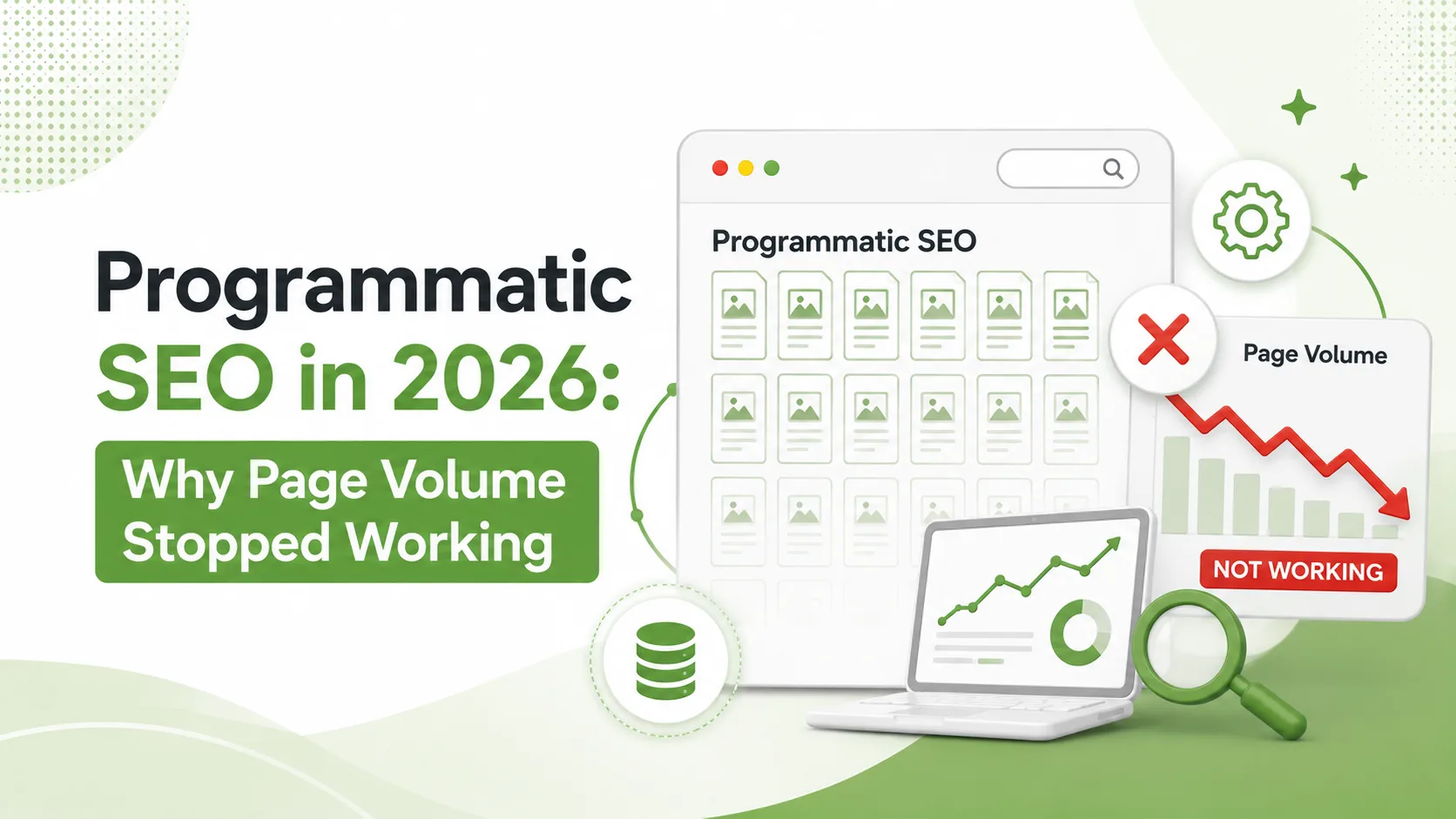
the March 2026 core update fallout, good vs. bad programmatic candidates, uniqueness benchmarks table, a risk-audit checklist, and how to rebuild a thin template.
Table of Contents
TogglePublishing ten thousand programmatic SEO pages used to be a growth hack. In 2026, it is closer to a liability. Google's quality systems have gotten good enough at spotting thin, templated programmatic SEO pages that raw page volume no longer moves the needle, and in some cases it actively drags a site down.
One agency reported pushing 8,400 programmatic pages live, only to see roughly 312 of them ever rank on page one three months later. The rest sat indexed but invisible, or fell into the dreaded "Crawled, currently not indexed" bucket in Search Console.
This is not a story about programmatic SEO being dead. It is a story about the old version of programmatic SEO, built on volume alone, finally hitting its limit.
We covered a related shift in how content earns visibility in our piece on AI Overviews and getting cited, and the same underlying principle applies here: quality-per-page now beats quantity-of-pages.
traffic loss reported on thin templated page sets during the March 2026 core update
pages out of 8,400 programmatic pages actually ranked on page one after three months
minimum page-level content variation generally needed to avoid a thin content classification
What Programmatic SEO Actually Is
Programmatic SEO is the practice of generating large numbers of pages automatically from a template and a structured dataset, rather than writing each page individually. Programmatic SEO works best when the underlying data genuinely justifies a separate page for each entry.
A classic example is location pages: one template for "[Service] in [City]" populated across hundreds of cities from a database.
Done well, this captures long-tail search demand no team could realistically cover by hand. Done badly, it produces thousands of near-identical pages with a city name swapped in and nothing else meaningfully different.
Why Page Volume Stopped Working
Google's spam and quality systems have sharpened significantly through 2025 and into 2026. The classifiers behind scaled content abuse enforcement are specifically built to catch template-driven pages that add a data point but no real value.
The March 2026 core update made this especially visible. Sites relying heavily on thin, template-built page sets reported traffic losses ranging from 60% to more than 80% on the affected pages during the rollout window.
A second spam update in June 2026 reinforced the same pattern globally, across every language Google indexes.
Programmatic SEO That Gets Penalized
Programmatic SEO That Still Works
What Makes a Programmatic SEO Page Survive Scrutiny
The line between a programmatic SEO page that ranks and one that gets filtered out comes down to a handful of concrete factors, not vague notions of "quality."
Row-Level Data That Actually Differs
Every page needs a genuinely differentiated dataset behind it. If the only difference between two pages is a swapped city name, you do not have a dataset, you have thin content with extra steps.
A Real Uniqueness Threshold
A common internal benchmark among SEO teams is roughly 500 words of unique, page-specific content with 30 to 40% variation from the template, well beyond just a swapped variable.
Synthesis, Not Just Data Dumping
The strongest programmatic pages add a synthesized recommendation, comparison, or takeaway based on the underlying data, something a simple database query alone cannot produce.
A Quality Gate Before Indexing
Rather than publishing every generated page at once, mature programmatic systems route new pages through a quality check before they ever get submitted for indexing.
Staged Rollouts With Monitoring
Publishing in batches of one to five thousand pages, then checking indexation rate and engagement signals before scaling further, catches problems before they spread sitewide.
Is Your Use Case a Good Fit for Programmatic SEO?
Not every site or dataset is suited to programmatic SEO. Tap through both sides below.
Location-based service pages with real local data, product comparison pages backed by an actual specs database, and pricing or salary pages drawing on structured, regularly updated datasets all suit programmatic SEO well, since the underlying data genuinely varies row to row.
Tutorial-style content that depends on original expertise, opinion pieces, and any topic where the "data" is really just a keyword variation rather than a fact that changes per page are poor fits. These are better served by manually written, in-depth content.
Uniqueness Benchmarks at a Glance
| Signal | Risk Zone | Safer Target |
|---|---|---|
| Template share of word count | 70% or more | Well under 70% |
| Unique content per page | Under 300 words | Around 500+ words |
| Page-level data variation | Under 20% | 30-40% or higher |
| Indexation rate during rollout | Below 50% | Above 70%, monitored closely |
| Rollout batch size | All pages at once | 1,000-5,000 page batches |
Weighing the Programmatic SEO Trade-Offs
What Still Works in Your Favor
What to Watch For
How to Audit an Existing Programmatic Page Set
Start in Search Console by segmenting your programmatic pages into their own report. Look for pages sitting in "Crawled, currently not indexed" or "Discovered, currently not indexed," since these are the clearest early warning signs.
Next, sample twenty or thirty pages at random and check what percentage of the content is unique versus template boilerplate. If most samples fall under 30% unique content, that page type needs a structural rework, not just fresh copy.
Finally, check engagement signals for the page set as a whole. A click-through rate under 1.5%, average engagement time under 45 seconds, and a bounce rate above 70% are worth flagging.
These are strong indicators that Google's assessment of the page type is not far off from the reader's own experience of it.
Rebuilding a Thin Programmatic Template
The fix rarely involves abandoning programmatic SEO entirely. It usually means adding one more data layer and one more synthesis step to the existing template.
If your current template just states a fact, such as a price or a location, add a comparison against related options or a plain-language recommendation.
A locally specific detail that could not be copy-pasted onto a different page also helps.
This is the same principle behind writing content built for AI citations, covered in our Generative Engine Optimization guide: specific, synthesized information consistently outperforms generic, templated text, whether the reader is a person or an AI system.
Roll the reworked template out in small batches, checking indexation and engagement at each stage rather than republishing every page at once. For a broader view of how content strategy has shifted this year, see our Google Search algorithm updates for 2026.
The Data Infrastructure Programmatic SEO Actually Needs
Most programmatic SEO failures trace back to a data problem, not a writing problem. The template is rarely the issue. The dataset feeding it usually is.
Before building a programmatic SEO template, ask whether the underlying data genuinely varies in a way that matters to the reader.
Pricing that updates regularly, local statistics that differ meaningfully by city, or product specs pulled from a real inventory system all support a solid programmatic SEO page. A spreadsheet with a list of city names and nothing else does not.
Strong programmatic SEO programs typically pull from at least two or three distinct data sources per page, not just one.
A location page for a service, for example, might combine local market data, filtered customer reviews, and a comparison against nearby alternatives, rather than relying on a single database field to carry the entire page.
Programmatic SEO and AI-Assisted Content Generation
AI writing tools have made it tempting to generate the "unique" text portion of programmatic SEO pages automatically as well, on top of the templated structure. This can work, but it introduces its own risk.
AI-generated filler text that restates the same data point in slightly different words does not solve the thin content problem. It just disguises it more convincingly for a little longer.
Google's quality systems evaluate genuine informational value, not just surface-level text variation, so programmatic SEO pages still need a real reason to exist beyond filling a template.
FAQs on Programmatic SEO in 2026
Related Articles
What We Learn Today
Page volume alone stopped working. Google's classifiers now catch thin, templated programmatic pages reliably.
The March 2026 core update hit thin template page sets with 60-80% traffic losses.
Good programmatic SEO needs row-level data that genuinely differs, not just a swapped variable.
A rough safe target is 500+ unique words per page with 30-40% template variation.
Thin programmatic pages can trigger sitewide quality discounts, not just page-level penalties.
Staged rollouts with indexation monitoring catch problems long before they spread sitewide.
Related Posts

Previous Post
Next Post
Previous Post
Next Post


- Artificial Intelligence
- Content
- Core Web Vitals
- Development
- Digital Marketing
- Google Ads
- Google Search Console
- GTM
- HTML
- HTML CSS
- JavaScript
- Keyword Research
- Link Building
- Local SEO
- Meta Ads
- Mobile SEO
- Off-Page SEO
- On-Page SEO
- Paid Media
- Paid Media Analytics
- PHP
- PPC Strategy
- Python
- SEO
- SEO Basics
- SEO Tools
- Social
- Technical SEO