
- Home
- SEODiscover the latest updates from across the United States, including politics, culture, economy, and trending stories. Stay informed on the key events shaping the nation and the topics everyone’s talking about.
- Technical SEOLearn technical SEO concepts including crawling, indexing, XML sitemaps, robots.txt, canonical tags, site architecture, and website performance.
- Local SEOOptimize your business for local seo with Google Business Profile, local citations, reviews, maps, and location-based SEO.
- Mobile SEOImprove your website’s mobile seo performance with responsive design, mobile-first indexing, usability, and page speed optimization.
- On-Page SEOExplore on-page seo optimization techniques such as title tags, meta descriptions, headings, URLs, internal linking, and content optimization.
- Off-Page SEODiscover off-page SEO strategies such as backlinks, digital PR, brand mentions, outreach, and authority building.
- SEO ToolsExplore the best SEO tools for keyword research, technical audits, backlink analysis, rank tracking, and website optimization.
- Core Web VitalsLearn how to improve Core Web Vitals including LCP, INP, CLS, page speed, and overall user experience for better rankings.
- Keyword ResearchLearn how to find profitable keywords, analyze search intent, evaluate competition, and build effective keyword strategies.
- Link BuildingMaster ethical link building techniques, backlink analysis, outreach methods, guest posting, and authority growth strategies.
- Google Search ConsoleLearn how to use Google Search Console to monitor indexing, fix errors, analyze search performance, and improve SEO.
- SEO BasicsLearn the fundamentals of search engine optimization (SEO Basics), including how search engines work, SEO terminology, and beginner-friendly best practices.
- Paid Media
- Display AdvertisingLearn display advertising strategies, banner ads, audience targeting, remarketing, Google Display campaigns, and optimization techniques.
- Google AdsLearn Google Ads strategies, campaign setup, bidding, keywords, Performance Max, Search Ads, and optimization techniques.
- LinkedIn AdsLearn LinkedIn Ads strategies for B2B marketing, lead generation, audience targeting, campaign optimization, and paid social advertising.
- Meta AdsLearn Meta Ads strategies for Facebook and Instagram, including campaign setup, targeting, retargeting, and performance optimization.
- Paid Media AnalyticsLearn paid media analytics, including CPC, CTR, CPA, ROAS, conversion tracking, attribution, reporting, and campaign performance analysis.
- PPC StrategyLearn effective PPC strategies, campaign planning, bidding, keyword targeting, landing pages, conversion optimization, and more.
- ContentTransform your living spaces with inspiration, tips, and trends in interior design. From minimalist decor to bold statements, find ideas for every style and budget.
- Social
- Digital MarketingExplore stories and advice on living your best life. From personal growth to entertainment, dive into the latest in lifestyle trends and inspiration.
- Artificial IntelligenceStay informed about health and wellness with expert advice, fitness tips, and the latest medical breakthroughs. Your guide to a healthier and happier life.
- DevelopmentYou will find development related educational articles
- GTMLearn Google Tag Manager (GTM) with practical guides for tags, triggers, variables, tracking, conversions, and website analytics implementation.
- HTMLLearn HTML with simple tutorials, examples, tags, elements, attributes, and best practices for building modern web pages.
- HTML CSSLearn HTML CSS together with practical tutorials, examples, layouts, styling techniques, responsive design, and modern web development practices.
- HTML JSLearn HTML JS – JavaScript with practical tutorials and examples for adding interactivity, dynamic content, events, and functionality to web pages.
- JavaScriptExplore JavaScript tutorials, examples, concepts, and practical techniques for creating interactive and dynamic websites and web applications.
- PHPLearn PHP programming with practical tutorials, examples, functions, syntax, and web development techniques for beginners and developers.
- PythonLearn Python programming with practical tutorials, examples, syntax, functions, automation techniques, and useful programming concepts.
- Home
- SEODiscover the latest updates from across the United States, including politics, culture, economy, and trending stories. Stay informed on the key events shaping the nation and the topics everyone’s talking about.
- Technical SEOLearn technical SEO concepts including crawling, indexing, XML sitemaps, robots.txt, canonical tags, site architecture, and website performance.
- Local SEOOptimize your business for local seo with Google Business Profile, local citations, reviews, maps, and location-based SEO.
- Mobile SEOImprove your website’s mobile seo performance with responsive design, mobile-first indexing, usability, and page speed optimization.
- On-Page SEOExplore on-page seo optimization techniques such as title tags, meta descriptions, headings, URLs, internal linking, and content optimization.
- Off-Page SEODiscover off-page SEO strategies such as backlinks, digital PR, brand mentions, outreach, and authority building.
- SEO ToolsExplore the best SEO tools for keyword research, technical audits, backlink analysis, rank tracking, and website optimization.
- Core Web VitalsLearn how to improve Core Web Vitals including LCP, INP, CLS, page speed, and overall user experience for better rankings.
- Keyword ResearchLearn how to find profitable keywords, analyze search intent, evaluate competition, and build effective keyword strategies.
- Link BuildingMaster ethical link building techniques, backlink analysis, outreach methods, guest posting, and authority growth strategies.
- Google Search ConsoleLearn how to use Google Search Console to monitor indexing, fix errors, analyze search performance, and improve SEO.
- SEO BasicsLearn the fundamentals of search engine optimization (SEO Basics), including how search engines work, SEO terminology, and beginner-friendly best practices.
- Paid Media
- Display AdvertisingLearn display advertising strategies, banner ads, audience targeting, remarketing, Google Display campaigns, and optimization techniques.
- Google AdsLearn Google Ads strategies, campaign setup, bidding, keywords, Performance Max, Search Ads, and optimization techniques.
- LinkedIn AdsLearn LinkedIn Ads strategies for B2B marketing, lead generation, audience targeting, campaign optimization, and paid social advertising.
- Meta AdsLearn Meta Ads strategies for Facebook and Instagram, including campaign setup, targeting, retargeting, and performance optimization.
- Paid Media AnalyticsLearn paid media analytics, including CPC, CTR, CPA, ROAS, conversion tracking, attribution, reporting, and campaign performance analysis.
- PPC StrategyLearn effective PPC strategies, campaign planning, bidding, keyword targeting, landing pages, conversion optimization, and more.
- ContentTransform your living spaces with inspiration, tips, and trends in interior design. From minimalist decor to bold statements, find ideas for every style and budget.
- Social
- Digital MarketingExplore stories and advice on living your best life. From personal growth to entertainment, dive into the latest in lifestyle trends and inspiration.
- Artificial IntelligenceStay informed about health and wellness with expert advice, fitness tips, and the latest medical breakthroughs. Your guide to a healthier and happier life.
- DevelopmentYou will find development related educational articles
- GTMLearn Google Tag Manager (GTM) with practical guides for tags, triggers, variables, tracking, conversions, and website analytics implementation.
- HTMLLearn HTML with simple tutorials, examples, tags, elements, attributes, and best practices for building modern web pages.
- HTML CSSLearn HTML CSS together with practical tutorials, examples, layouts, styling techniques, responsive design, and modern web development practices.
- HTML JSLearn HTML JS – JavaScript with practical tutorials and examples for adding interactivity, dynamic content, events, and functionality to web pages.
- JavaScriptExplore JavaScript tutorials, examples, concepts, and practical techniques for creating interactive and dynamic websites and web applications.
- PHPLearn PHP programming with practical tutorials, examples, functions, syntax, and web development techniques for beginners and developers.
- PythonLearn Python programming with practical tutorials, examples, syntax, functions, automation techniques, and useful programming concepts.
Now Reading: What Is an AI Agent? A Plain-English Guide for Marketers
-
01
What Is an AI Agent? A Plain-English Guide for Marketers
- Home//
- SEO//Discover the latest updates from across the United States, including politics, culture, economy, and trending stories. Stay informed on the key events shaping the nation and the topics everyone’s talking about.
- Technical SEO//Learn technical SEO concepts including crawling, indexing, XML sitemaps, robots.txt, canonical tags, site architecture, and website performance.
- Local SEO//Optimize your business for local seo with Google Business Profile, local citations, reviews, maps, and location-based SEO.
- Mobile SEO//Improve your website’s mobile seo performance with responsive design, mobile-first indexing, usability, and page speed optimization.
- On-Page SEO//Explore on-page seo optimization techniques such as title tags, meta descriptions, headings, URLs, internal linking, and content optimization.
- Off-Page SEO//Discover off-page SEO strategies such as backlinks, digital PR, brand mentions, outreach, and authority building.
- SEO Tools//Explore the best SEO tools for keyword research, technical audits, backlink analysis, rank tracking, and website optimization.
- Core Web Vitals//Learn how to improve Core Web Vitals including LCP, INP, CLS, page speed, and overall user experience for better rankings.
- Keyword Research//Learn how to find profitable keywords, analyze search intent, evaluate competition, and build effective keyword strategies.
- Link Building//Master ethical link building techniques, backlink analysis, outreach methods, guest posting, and authority growth strategies.
- Google Search Console//Learn how to use Google Search Console to monitor indexing, fix errors, analyze search performance, and improve SEO.
- SEO Basics//Learn the fundamentals of search engine optimization (SEO Basics), including how search engines work, SEO terminology, and beginner-friendly best practices.
- Paid Media//
- Display Advertising//Learn display advertising strategies, banner ads, audience targeting, remarketing, Google Display campaigns, and optimization techniques.
- Google Ads//Learn Google Ads strategies, campaign setup, bidding, keywords, Performance Max, Search Ads, and optimization techniques.
- LinkedIn Ads//Learn LinkedIn Ads strategies for B2B marketing, lead generation, audience targeting, campaign optimization, and paid social advertising.
- Meta Ads//Learn Meta Ads strategies for Facebook and Instagram, including campaign setup, targeting, retargeting, and performance optimization.
- Paid Media Analytics//Learn paid media analytics, including CPC, CTR, CPA, ROAS, conversion tracking, attribution, reporting, and campaign performance analysis.
- PPC Strategy//Learn effective PPC strategies, campaign planning, bidding, keyword targeting, landing pages, conversion optimization, and more.
- Content//Transform your living spaces with inspiration, tips, and trends in interior design. From minimalist decor to bold statements, find ideas for every style and budget.
- Social//
- Digital Marketing//Explore stories and advice on living your best life. From personal growth to entertainment, dive into the latest in lifestyle trends and inspiration.
- Artificial Intelligence//Stay informed about health and wellness with expert advice, fitness tips, and the latest medical breakthroughs. Your guide to a healthier and happier life.
- Development//You will find development related educational articles
- GTM//Learn Google Tag Manager (GTM) with practical guides for tags, triggers, variables, tracking, conversions, and website analytics implementation.
- HTML//Learn HTML with simple tutorials, examples, tags, elements, attributes, and best practices for building modern web pages.
- HTML CSS//Learn HTML CSS together with practical tutorials, examples, layouts, styling techniques, responsive design, and modern web development practices.
- HTML JS//Learn HTML JS – JavaScript with practical tutorials and examples for adding interactivity, dynamic content, events, and functionality to web pages.
- JavaScript//Explore JavaScript tutorials, examples, concepts, and practical techniques for creating interactive and dynamic websites and web applications.
- PHP//Learn PHP programming with practical tutorials, examples, functions, syntax, and web development techniques for beginners and developers.
- Python//Learn Python programming with practical tutorials, examples, syntax, functions, automation techniques, and useful programming concepts.
- Home
- Artificial Intelligence
- What Is an AI Agent? A Plain-English Guide for Marketers
What Is an AI Agent? A Plain-English Guide for Marketers

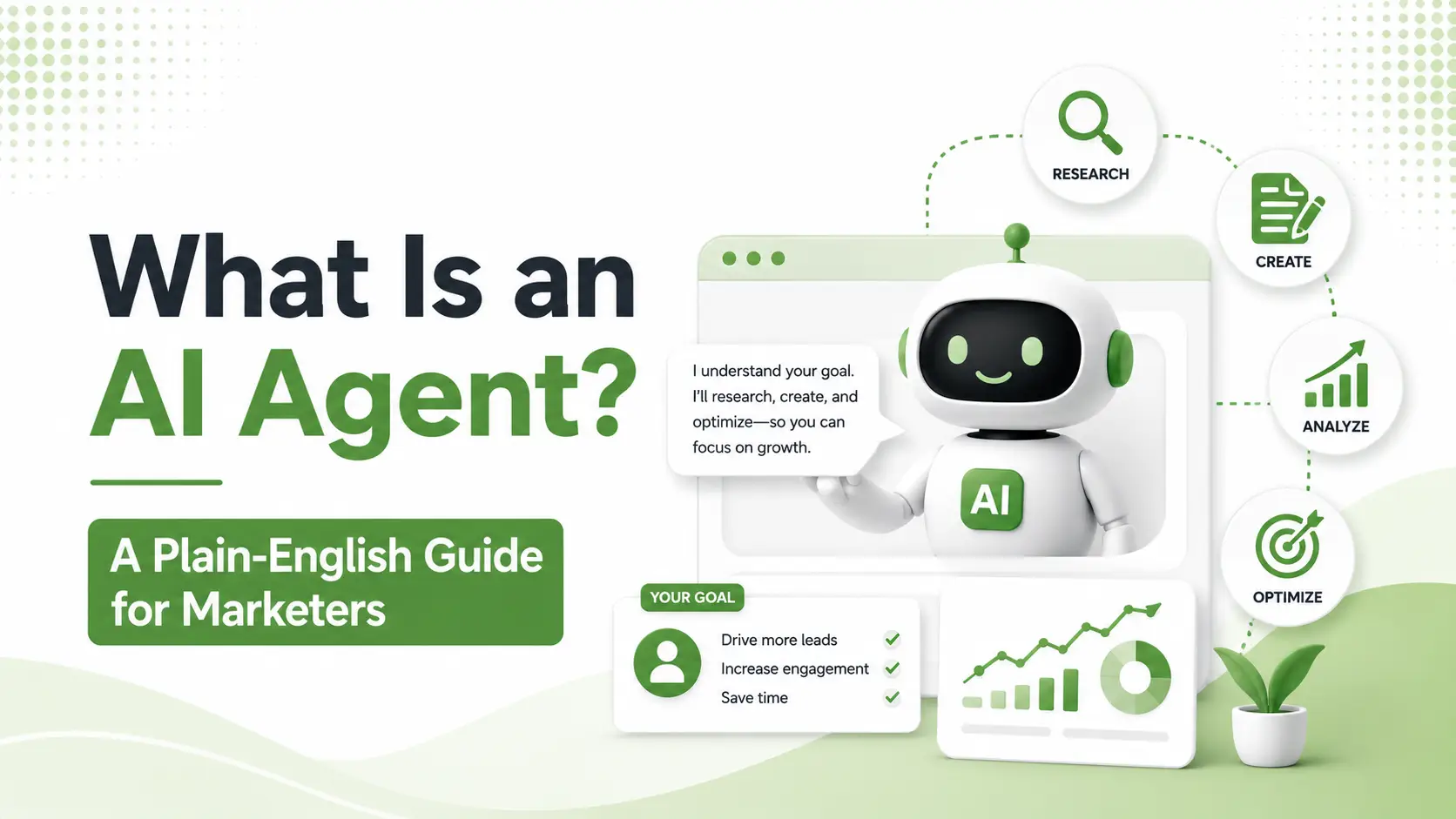
Gartner says most vendors calling their tools "agentic" aren't. Here's a plain-English breakdown of what an AI agent actually is, how it differs from a chatbot, and where it earns a real place in your marketing team.
Table of Contents
ToggleEvery vendor pitch in 2026 seems to mention an "AI agent." Most of them are describing something else entirely. Here is what an AI agent actually is, how it differs from a chatbot or plain automation, and where it genuinely earns a place in a marketing team's toolkit.
Gartner estimates that only a small fraction of the vendors currently using the term "agentic" are actually building true agents. The rest are older chatbots and automation tools with a new label attached, a pattern some in the industry have started calling "agent washing."
That gap matters if you are deciding where to spend budget this year.
We touched on the broader shift toward AI-driven marketing tools in our piece on digital marketing trends for 2026. This article breaks the AI agent category down in plain terms, without the vendor spin.
of enterprise applications expected to include agentic AI by the end of 2026, per Gartner
of B2B sales teams using AI reported measurable revenue growth, compared to 66% without it
projected size of the AI SDR market alone by 2030, reflecting rapid enterprise adoption
What an AI Agent Actually Is
An AI agent is an autonomous software system that combines large language model reasoning with real-time access to data and tools, and takes action on its own to reach a goal.
The key word is autonomy. You give an AI agent an outcome to aim for, not a fixed sequence of steps, and it decides how to get there, adjusting its approach as conditions change along the way.
Video: "AI Agents, Clearly Explained" by Jeff Su — credit to the original creator, via YouTube
AI Agent vs. Chatbot vs. Traditional Automation
These three terms get used interchangeably in vendor pitches, but they describe genuinely different systems.
Chatbot or Traditional Automation
AI Agent
Five Capabilities That Define a Real AI Agent
According to Tofu's 2026 guide to AI marketing agents, not every tool marketed as an agent actually qualifies. A genuine agent demonstrates most or all of the capabilities below.
Goal-Directed, Not Script-Directed
You describe the outcome you want, such as more qualified leads or higher reactivation, and the agent assembles and adapts its own path to get there.
Multi-Step Reasoning
An agent chains actions together, executing a sequence of related tasks toward one objective rather than completing a single isolated action.
Real-Time Data Access
Marketing-specific agents pull live context from CRM records, campaign performance, and engagement signals, according to Improvado's guide to AI agents in marketing analytics, rather than working from a static snapshot.
Cross-Tool Action
A real agent can act across platform boundaries, such as adjusting a bid in an ad platform and triggering a follow-up sequence in a CRM, without a human bridging the two systems manually.
Learning From Outcomes
Agents observe the results of their own actions and adjust future behavior accordingly, rather than repeating the same fixed response regardless of what happened last time.
When to Use an Agent vs. When a Chatbot Is Enough
Not every marketing task needs full autonomy. Tap through both scenarios below.
Tasks with branching logic, external state, and real consequences suit an agent well. Examples include autonomous bid management that adjusts spend based on live performance, or a lead qualification workflow that pulls CRM data, scores a prospect, and triggers the right follow-up automatically.
Bounded, predictable, low-risk interactions are chatbot territory. According to Heeya's 2026 comparison of agents and chatbots, answering pricing questions or walking a new customer through setup steps rarely benefits from added agentic complexity.
Chatbot vs. Automation vs. AI Agent at a Glance
| Factor | Chatbot | Traditional Automation | AI Agent |
|---|---|---|---|
| Input | Conversational prompt | Fixed trigger event | A stated goal |
| Decision-making | Scripted or reactive | Rule-based, if-then logic | Autonomous reasoning |
| Adapts mid-task | No | No | Yes |
| Acts across tools | Rarely | Limited, pre-configured | Yes, dynamically |
Weighing the Trade-Offs of Marketing AI Agents
What You Gain
What to Watch For
How Marketing Teams Are Actually Using AI Agents Today
The clearest production examples are narrow and specific, not sweeping "run my whole marketing department" claims.
Autonomous bid management agents that adjust paid media spend every fifteen minutes based on live performance are already running at enterprise teams, according to a 2026 agentic AI marketing ROI report.
A separate 2026 breakdown of autonomous marketing found similar goal-directed agents already embedded inside platforms marketers use daily for email and campaign automation.
Lead qualification is another common starting point. An agent can pull CRM data, score a new lead against your ideal customer profile, and trigger the right follow-up sequence automatically.
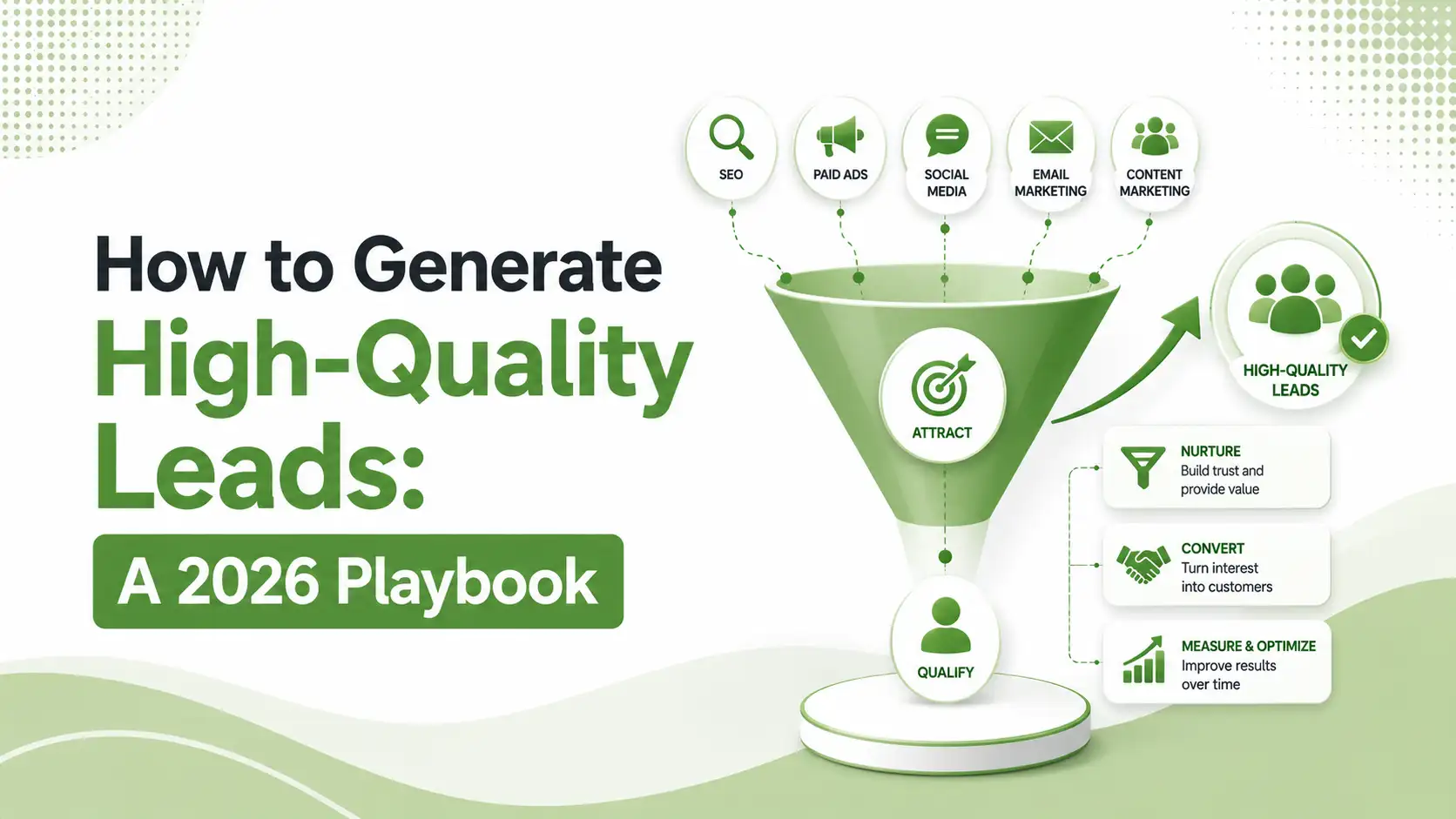
This connects directly to the kind of quality-first approach we covered in our guide to generating high-quality leads.
Customer retention is a third area gaining traction. According to NeuraPulse's 2026 comparison of AI agents and legacy automation, agents can monitor in-app usage and detect when a customer's engagement drops meaningfully.
The agent can then autonomously trigger a personalized check-in from a customer success manager the moment usage drops, without waiting for a scheduled report to surface the problem.
How to Start Without Overhauling Your Whole Stack
You do not need to replace your existing marketing automation platform to bring in an AI agent.
Most B2B teams keep their automation platform as the reliable operational layer, handling scheduled sends, lead scoring, and routing, and add an agent as an intelligent layer on top for judgment-heavy work.
Start with one narrow, well-defined task, not your entire campaign process. Bid management, lead scoring and routing, or usage-based retention outreach are all reasonable first projects, since each has a clear goal and measurable outcome.
Set a human review step for anything the agent produces before it reaches a customer, at least initially.
According to Chatarmin's 2026 breakdown of what AI agents actually deliver, unsupervised output remains the riskiest part of early agent adoption, even when the underlying reasoning is solid.
Common Misconceptions About AI Agents
The word "agent" gets stretched to cover almost anything with an AI feature attached, which creates real confusion for marketers trying to evaluate tools.
One common misconception is that any AI agent can operate with zero oversight. In practice, even the most capable AI agent still benefits from clear guardrails, defined boundaries on what it can and cannot do, and a review step for anything customer-facing.
Another misconception is that adopting an AI agent means replacing your entire marketing stack overnight. Most successful early deployments layer an agent on top of existing tools for one specific, high-value task, rather than attempting a full platform swap.
A third misconception treats every AI-generated output as agent behavior. A tool that drafts a single email when prompted is a writing assistant.
An AI agent that decides when to send that email, to whom, and adjusts the send based on a recipient's prior engagement is doing something categorically different.
Getting Your Data Ready Before You Adopt an AI Agent
An AI agent is only as good as the data it can reason over. Fragmented, siloed, or outdated CRM and campaign data will limit what any agent can reliably do, no matter how capable the underlying model is.
Before adopting an AI agent for a specific task, audit whether the relevant data actually flows cleanly between the systems that agent would need to touch.
A bid management agent needs live ad performance data connected to a clear cost or revenue target. A lead qualification agent needs CRM fields populated consistently enough to score against.
Teams that invest in this groundwork before adopting an AI agent tend to see faster, more reliable results than teams that add an agent on top of messy, disconnected data and hope the AI compensates for the gap.
FAQs on AI Agents for Marketers
Related Articles
What We Learn Today
An AI agent is given a goal, not a script, and decides its own path to reach it.
01Chatbots react within a fixed script. Agents reason, plan, and adapt mid-task.
02Many tools marketed as "agents" are really rebranded chatbots or automation.
03Real agents pull live CRM and campaign data, not a static snapshot.
04Bid management, lead routing, and retention outreach are strong first use cases.
05Human review still matters, especially for regulated or brand-sensitive output.
06Related Posts

Previous Post
Next Post
Previous Post
Next Post



- Artificial Intelligence
- Content
- Core Web Vitals
- Development
- Digital Marketing
- Google Ads
- Google Search Console
- GTM
- HTML
- HTML CSS
- JavaScript
- Keyword Research
- Link Building
- Local SEO
- Meta Ads
- Mobile SEO
- Off-Page SEO
- On-Page SEO
- Paid Media
- Paid Media Analytics
- PHP
- PPC Strategy
- Python
- SEO
- SEO Basics
- SEO Tools
- Social
- Technical SEO