
- Home
- SEODiscover the latest updates from across the United States, including politics, culture, economy, and trending stories. Stay informed on the key events shaping the nation and the topics everyone’s talking about.
- Technical SEOLearn technical SEO concepts including crawling, indexing, XML sitemaps, robots.txt, canonical tags, site architecture, and website performance.
- Local SEOOptimize your business for local seo with Google Business Profile, local citations, reviews, maps, and location-based SEO.
- Mobile SEOImprove your website’s mobile seo performance with responsive design, mobile-first indexing, usability, and page speed optimization.
- On-Page SEOExplore on-page seo optimization techniques such as title tags, meta descriptions, headings, URLs, internal linking, and content optimization.
- Off-Page SEODiscover off-page SEO strategies such as backlinks, digital PR, brand mentions, outreach, and authority building.
- SEO ToolsExplore the best SEO tools for keyword research, technical audits, backlink analysis, rank tracking, and website optimization.
- Core Web VitalsLearn how to improve Core Web Vitals including LCP, INP, CLS, page speed, and overall user experience for better rankings.
- Keyword ResearchLearn how to find profitable keywords, analyze search intent, evaluate competition, and build effective keyword strategies.
- Link BuildingMaster ethical link building techniques, backlink analysis, outreach methods, guest posting, and authority growth strategies.
- Google Search ConsoleLearn how to use Google Search Console to monitor indexing, fix errors, analyze search performance, and improve SEO.
- SEO BasicsLearn the fundamentals of search engine optimization (SEO Basics), including how search engines work, SEO terminology, and beginner-friendly best practices.
- Paid Media
- Display AdvertisingLearn display advertising strategies, banner ads, audience targeting, remarketing, Google Display campaigns, and optimization techniques.
- Google AdsLearn Google Ads strategies, campaign setup, bidding, keywords, Performance Max, Search Ads, and optimization techniques.
- LinkedIn AdsLearn LinkedIn Ads strategies for B2B marketing, lead generation, audience targeting, campaign optimization, and paid social advertising.
- Meta AdsLearn Meta Ads strategies for Facebook and Instagram, including campaign setup, targeting, retargeting, and performance optimization.
- Paid Media AnalyticsLearn paid media analytics, including CPC, CTR, CPA, ROAS, conversion tracking, attribution, reporting, and campaign performance analysis.
- PPC StrategyLearn effective PPC strategies, campaign planning, bidding, keyword targeting, landing pages, conversion optimization, and more.
- ContentTransform your living spaces with inspiration, tips, and trends in interior design. From minimalist decor to bold statements, find ideas for every style and budget.
- Social
- Digital MarketingExplore stories and advice on living your best life. From personal growth to entertainment, dive into the latest in lifestyle trends and inspiration.
- Artificial IntelligenceStay informed about health and wellness with expert advice, fitness tips, and the latest medical breakthroughs. Your guide to a healthier and happier life.
- DevelopmentYou will find development related educational articles
- GTMLearn Google Tag Manager (GTM) with practical guides for tags, triggers, variables, tracking, conversions, and website analytics implementation.
- HTMLLearn HTML with simple tutorials, examples, tags, elements, attributes, and best practices for building modern web pages.
- HTML CSSLearn HTML CSS together with practical tutorials, examples, layouts, styling techniques, responsive design, and modern web development practices.
- HTML JSLearn HTML JS – JavaScript with practical tutorials and examples for adding interactivity, dynamic content, events, and functionality to web pages.
- JavaScriptExplore JavaScript tutorials, examples, concepts, and practical techniques for creating interactive and dynamic websites and web applications.
- PHPLearn PHP programming with practical tutorials, examples, functions, syntax, and web development techniques for beginners and developers.
- PythonLearn Python programming with practical tutorials, examples, syntax, functions, automation techniques, and useful programming concepts.
- Home
- SEODiscover the latest updates from across the United States, including politics, culture, economy, and trending stories. Stay informed on the key events shaping the nation and the topics everyone’s talking about.
- Technical SEOLearn technical SEO concepts including crawling, indexing, XML sitemaps, robots.txt, canonical tags, site architecture, and website performance.
- Local SEOOptimize your business for local seo with Google Business Profile, local citations, reviews, maps, and location-based SEO.
- Mobile SEOImprove your website’s mobile seo performance with responsive design, mobile-first indexing, usability, and page speed optimization.
- On-Page SEOExplore on-page seo optimization techniques such as title tags, meta descriptions, headings, URLs, internal linking, and content optimization.
- Off-Page SEODiscover off-page SEO strategies such as backlinks, digital PR, brand mentions, outreach, and authority building.
- SEO ToolsExplore the best SEO tools for keyword research, technical audits, backlink analysis, rank tracking, and website optimization.
- Core Web VitalsLearn how to improve Core Web Vitals including LCP, INP, CLS, page speed, and overall user experience for better rankings.
- Keyword ResearchLearn how to find profitable keywords, analyze search intent, evaluate competition, and build effective keyword strategies.
- Link BuildingMaster ethical link building techniques, backlink analysis, outreach methods, guest posting, and authority growth strategies.
- Google Search ConsoleLearn how to use Google Search Console to monitor indexing, fix errors, analyze search performance, and improve SEO.
- SEO BasicsLearn the fundamentals of search engine optimization (SEO Basics), including how search engines work, SEO terminology, and beginner-friendly best practices.
- Paid Media
- Display AdvertisingLearn display advertising strategies, banner ads, audience targeting, remarketing, Google Display campaigns, and optimization techniques.
- Google AdsLearn Google Ads strategies, campaign setup, bidding, keywords, Performance Max, Search Ads, and optimization techniques.
- LinkedIn AdsLearn LinkedIn Ads strategies for B2B marketing, lead generation, audience targeting, campaign optimization, and paid social advertising.
- Meta AdsLearn Meta Ads strategies for Facebook and Instagram, including campaign setup, targeting, retargeting, and performance optimization.
- Paid Media AnalyticsLearn paid media analytics, including CPC, CTR, CPA, ROAS, conversion tracking, attribution, reporting, and campaign performance analysis.
- PPC StrategyLearn effective PPC strategies, campaign planning, bidding, keyword targeting, landing pages, conversion optimization, and more.
- ContentTransform your living spaces with inspiration, tips, and trends in interior design. From minimalist decor to bold statements, find ideas for every style and budget.
- Social
- Digital MarketingExplore stories and advice on living your best life. From personal growth to entertainment, dive into the latest in lifestyle trends and inspiration.
- Artificial IntelligenceStay informed about health and wellness with expert advice, fitness tips, and the latest medical breakthroughs. Your guide to a healthier and happier life.
- DevelopmentYou will find development related educational articles
- GTMLearn Google Tag Manager (GTM) with practical guides for tags, triggers, variables, tracking, conversions, and website analytics implementation.
- HTMLLearn HTML with simple tutorials, examples, tags, elements, attributes, and best practices for building modern web pages.
- HTML CSSLearn HTML CSS together with practical tutorials, examples, layouts, styling techniques, responsive design, and modern web development practices.
- HTML JSLearn HTML JS – JavaScript with practical tutorials and examples for adding interactivity, dynamic content, events, and functionality to web pages.
- JavaScriptExplore JavaScript tutorials, examples, concepts, and practical techniques for creating interactive and dynamic websites and web applications.
- PHPLearn PHP programming with practical tutorials, examples, functions, syntax, and web development techniques for beginners and developers.
- PythonLearn Python programming with practical tutorials, examples, syntax, functions, automation techniques, and useful programming concepts.
Now Reading: How to Generate High Quality Leads: A 2026 Playbook
-
01
How to Generate High Quality Leads: A 2026 Playbook
- Home//
- SEO//Discover the latest updates from across the United States, including politics, culture, economy, and trending stories. Stay informed on the key events shaping the nation and the topics everyone’s talking about.
- Technical SEO//Learn technical SEO concepts including crawling, indexing, XML sitemaps, robots.txt, canonical tags, site architecture, and website performance.
- Local SEO//Optimize your business for local seo with Google Business Profile, local citations, reviews, maps, and location-based SEO.
- Mobile SEO//Improve your website’s mobile seo performance with responsive design, mobile-first indexing, usability, and page speed optimization.
- On-Page SEO//Explore on-page seo optimization techniques such as title tags, meta descriptions, headings, URLs, internal linking, and content optimization.
- Off-Page SEO//Discover off-page SEO strategies such as backlinks, digital PR, brand mentions, outreach, and authority building.
- SEO Tools//Explore the best SEO tools for keyword research, technical audits, backlink analysis, rank tracking, and website optimization.
- Core Web Vitals//Learn how to improve Core Web Vitals including LCP, INP, CLS, page speed, and overall user experience for better rankings.
- Keyword Research//Learn how to find profitable keywords, analyze search intent, evaluate competition, and build effective keyword strategies.
- Link Building//Master ethical link building techniques, backlink analysis, outreach methods, guest posting, and authority growth strategies.
- Google Search Console//Learn how to use Google Search Console to monitor indexing, fix errors, analyze search performance, and improve SEO.
- SEO Basics//Learn the fundamentals of search engine optimization (SEO Basics), including how search engines work, SEO terminology, and beginner-friendly best practices.
- Paid Media//
- Display Advertising//Learn display advertising strategies, banner ads, audience targeting, remarketing, Google Display campaigns, and optimization techniques.
- Google Ads//Learn Google Ads strategies, campaign setup, bidding, keywords, Performance Max, Search Ads, and optimization techniques.
- LinkedIn Ads//Learn LinkedIn Ads strategies for B2B marketing, lead generation, audience targeting, campaign optimization, and paid social advertising.
- Meta Ads//Learn Meta Ads strategies for Facebook and Instagram, including campaign setup, targeting, retargeting, and performance optimization.
- Paid Media Analytics//Learn paid media analytics, including CPC, CTR, CPA, ROAS, conversion tracking, attribution, reporting, and campaign performance analysis.
- PPC Strategy//Learn effective PPC strategies, campaign planning, bidding, keyword targeting, landing pages, conversion optimization, and more.
- Content//Transform your living spaces with inspiration, tips, and trends in interior design. From minimalist decor to bold statements, find ideas for every style and budget.
- Social//
- Digital Marketing//Explore stories and advice on living your best life. From personal growth to entertainment, dive into the latest in lifestyle trends and inspiration.
- Artificial Intelligence//Stay informed about health and wellness with expert advice, fitness tips, and the latest medical breakthroughs. Your guide to a healthier and happier life.
- Development//You will find development related educational articles
- GTM//Learn Google Tag Manager (GTM) with practical guides for tags, triggers, variables, tracking, conversions, and website analytics implementation.
- HTML//Learn HTML with simple tutorials, examples, tags, elements, attributes, and best practices for building modern web pages.
- HTML CSS//Learn HTML CSS together with practical tutorials, examples, layouts, styling techniques, responsive design, and modern web development practices.
- HTML JS//Learn HTML JS – JavaScript with practical tutorials and examples for adding interactivity, dynamic content, events, and functionality to web pages.
- JavaScript//Explore JavaScript tutorials, examples, concepts, and practical techniques for creating interactive and dynamic websites and web applications.
- PHP//Learn PHP programming with practical tutorials, examples, functions, syntax, and web development techniques for beginners and developers.
- Python//Learn Python programming with practical tutorials, examples, syntax, functions, automation techniques, and useful programming concepts.
- Home
- Digital Marketing
- How to Generate High Quality Leads: A 2026 Playbook
How to Generate High Quality Leads: A 2026 Playbook

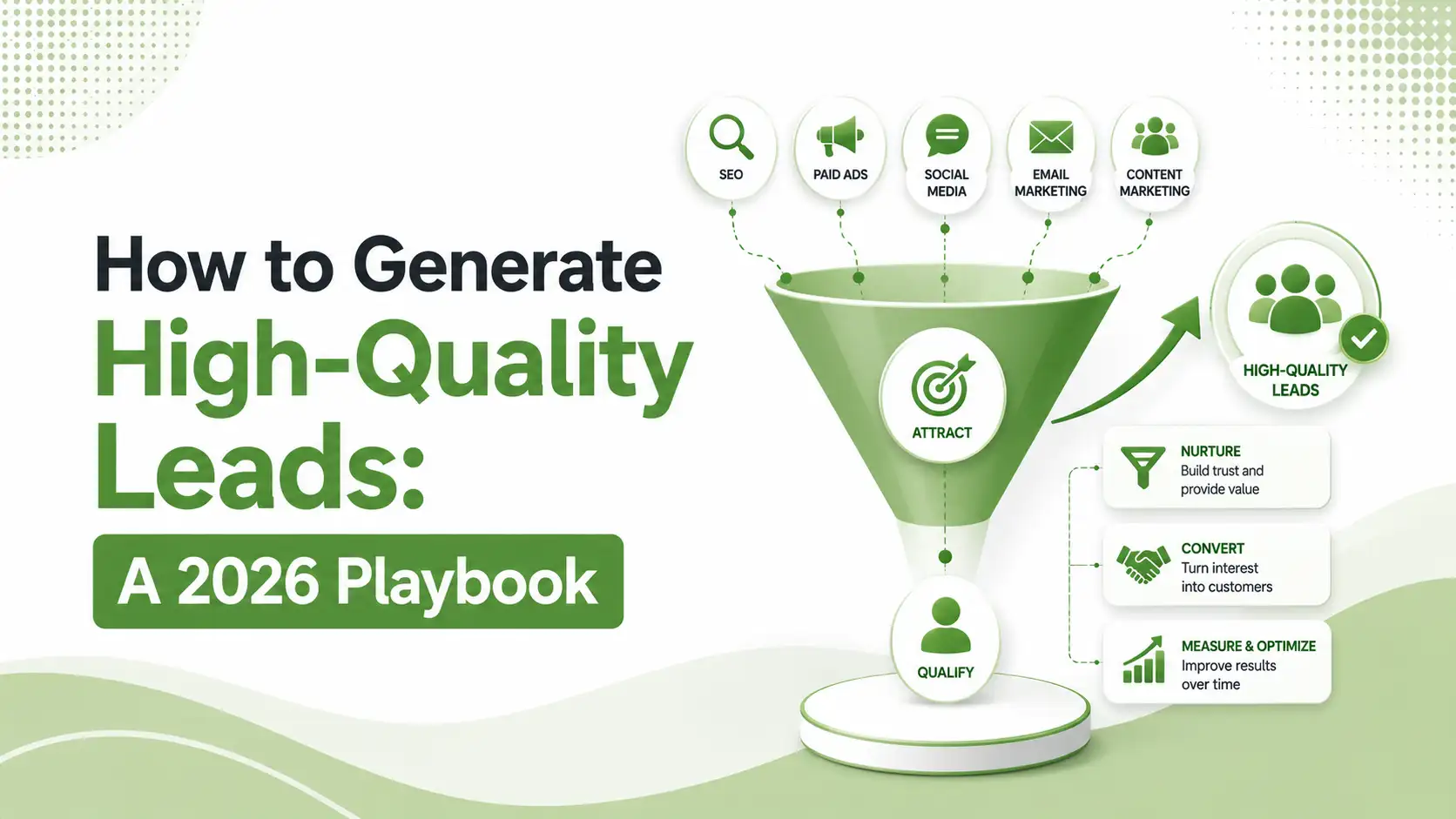
Most lead generation problems aren't about volume they are about quality. Here's what actually makes a lead worth chasing, and how to build a system that consistently produces them.
Table of Contents
ToggleHigh Quality Leads? Generating more leads has never been the hard part of lead generation. Generating leads that actually turn into customers is where most marketing teams quietly struggle. About 79% of marketing leads never convert to a sale, which means most lead generation budgets are funding a pipeline that mostly goes nowhere.
This is not a volume problem. It is a quality problem, and quality is fixable in a way raw volume never was.
If you have been measuring lead generation success by counting form fills, this article walks through what actually separates a high-quality lead from a wasted one, and how to build a system that consistently produces the former.
We touched on related shifts in demand generation in our piece on digital marketing trends for 2026. Lead quality is one of the clearest threads running through nearly all of them.
of marketing leads never convert into a sale, according to recent industry benchmarks
average conversion rate from marketing qualified lead to sales qualified lead
of large-company outbound messages expected to use generative AI personalization by 2026, per Gartner
What "High Quality Leads" Actually Means?
A high-quality lead is not simply someone who filled out a form. It is a contact who matches your ideal customer profile, has a real problem your product solves, and shows some signal of active intent, not just passive curiosity.
The distinction matters because chasing raw lead volume without this filter creates exactly the kind of funnel leak reflected in that 79% non-conversion figure.
Every unqualified lead your lead generation program produces still costs your sales team time, even if it never had a real chance of closing.
Video: "13 Lead Generation Strategies That Work" — credit to the original creator, via YouTube
Volume-First vs. Quality-First Lead Generation
These two lead generation approaches look similar on a dashboard, but they produce very different outcomes further down the funnel.
Volume-First Approach
Quality-First Approach
Five Lead Generation Strategies That Consistently Produce Better Leads
Across the lead generation strategies that keep showing up in 2026 research, a few consistently separate high-performing teams from the rest.
Account-Based Marketing on High-Value Targets
Rather than casting the widest possible net, ABM focuses effort on a defined list of high-value accounts. According to Digifyce's 2026 strategy overview, this shifts the entire focus from lead count to lead quality.
Intent Data and AI-Driven Scoring
Leadfeeder's 2026 B2B strategy guide points to intent data and AI scoring as the mechanism that lets teams prioritize high-intent prospects instead of chasing every possible contact.
Referral Programs Built on Trust
Referrals shorten the trust-building process significantly, since a recommendation from an existing customer carries more weight than any ad. Structured referral incentives consistently produce lower acquisition costs and higher lead quality.
Content That Earns the Contact Info
According to Outfunnel's guide to B2B lead generation, the real test for gated content is simple: would you personally hand over your email address for it? If not, it will not attract quality leads either.
Fast, Structured Lead Qualification
Speed and structure matter as much as sourcing. Default's 2026 B2B lead generation guide notes that automating qualification and routing gets the right leads to the right reps instantly, rather than losing momentum in a queue.
Inbound or Outbound: Where Should You Focus First?
Most strong lead generation programs eventually use both, but the right starting point depends on where your business is today. Tap through both approaches below.
SEO-driven content, gated resources, webinars, and organic social all attract prospects who are already searching for a solution. This tends to produce lower-volume but higher-intent leads, since the person came looking rather than being interrupted.
DemandWorks' 2026 trend report highlights autonomous lead agents that now handle research, data enrichment, and routing automatically, cutting speed-to-lead from hours down to seconds on outbound and AI-assisted channels.
Lead Generation Channels Compared
| Channel | Typical Lead Quality | Effort to Set Up |
|---|---|---|
| SEO content marketing | High, once ranking established | High upfront, low ongoing |
| Account-based marketing | Very high, narrow volume | High, requires target account research |
| Referral programs | Very high | Moderate, needs incentive structure |
| LinkedIn outreach | Moderate to high | Moderate, personalization-dependent |
| Paid search and social ads | Variable, depends on targeting | Low to start, ongoing optimization needed |
| Cold email blasts | Low, unless tightly segmented | Low, but high volume needed |
Weighing Quality-First Trade-Offs
What You Gain
What to Watch For
How to Build a Quality-First Lead Generation System
Start by writing down your ideal customer profile in specific terms: company size, industry, role, and the problem they need solved. Vague targeting produces vague leads.
Next, pick two or three channels that match where that ideal customer actually spends time, rather than trying to run every channel at once.
According to Prospeo's data-driven lead generation guide, the strongest programs choose channels with proven ROI rather than spreading effort thin across everything available.
Set up a lead scoring system, even a simple one, so marketing and sales agree on what "qualified" actually means before a lead ever reaches a sales rep. This single alignment step fixes more pipeline friction than almost any new channel or tool.
Finally, review your funnel quarterly. Martal's 2026 lead generation benchmarks report recommends tracking cost per qualified lead and lead-to-opportunity rate as your primary health metrics, rather than total lead volume alone.
Where Content Fits Into High-Quality Lead Generation
Content remains one of the most durable ways to attract leads who are already searching for a solution, but it needs real substance to work as a filter. Thin, generic content attracts thin, generic interest.
According to Headley Media's list of 2026 B2B lead generation ideas, content syndication through trusted third-party sites remains one of the more effective ways to reach highly targeted audiences beyond your owned channels.
Pairing strong content with a clear content strategy, like the one we outlined in our Generative Engine Optimization guide, helps that content get discovered in the first place.
For teams running paid alongside content, coordinating both channels matters more than optimizing either in isolation. Our paid media strategy guide covers how to keep paid and organic lead sources working toward the same qualification standard.
Why Lead Nurturing Determines Whether Lead Generation Quality Sticks
Generating a high-quality lead is only the first half of the lead generation equation. Without proper nurturing, even a well-qualified lead can go cold before your sales team ever gets a real conversation.
Effective lead nurturing means matching your follow-up content to where a prospect actually is in their decision process.
Sending the same generic sequence to everyone your lead generation program produces misses this entirely. A prospect who just downloaded an introductory guide needs different content than one who requested a product demo.
Most B2B buyers now complete a large share of their research anonymously before ever engaging a vendor directly.
This means your lead generation and nurturing systems need to work together, not as separate handoffs, so a prospect who resurfaces weeks later is recognized and routed appropriately rather than treated as brand new.
A simple nurture cadence built around genuinely useful content, spaced a few days apart, consistently outperforms aggressive daily follow-up. Lead generation teams that respect this pacing tend to see stronger long-term conversion rates than those optimizing purely for speed of contact.
Measuring What Actually Matters in Lead Generation
Vanity metrics are easy to report and easy to misread. Total lead count tells you almost nothing about whether your lead generation program is actually healthy.
Instead, build a simple dashboard around three numbers: cost per qualified lead, lead-to-opportunity conversion rate, and average time from lead capture to first sales contact. These three figures together tell a much more honest story than lead volume alone ever could.
FAQs on High-Quality Lead Generation
Related Articles
What We Learn Today
About 79% of marketing leads never convert, which points to a quality problem, not a volume problem.
A high-quality lead matches your ICP, has a real need, and shows genuine intent signals.
ABM, intent data, and referrals consistently produce better leads than broad, volume-first tactics.
AI-driven scoring and routing are cutting speed-to-lead from hours down to seconds.
Marketing and sales alignment on lead qualification fixes more friction than new tools alone.
Track lead-to-opportunity rate and cost per qualified lead, not just total lead volume.
Related Posts
Previous Post
Next Post
Previous Post

Next Post


- Artificial Intelligence
- Content
- Core Web Vitals
- Development
- Digital Marketing
- Google Ads
- Google Search Console
- GTM
- HTML
- HTML CSS
- JavaScript
- Keyword Research
- Link Building
- Local SEO
- Meta Ads
- Mobile SEO
- Off-Page SEO
- On-Page SEO
- Paid Media
- Paid Media Analytics
- PHP
- PPC Strategy
- Python
- SEO
- SEO Basics
- SEO Tools
- Social
- Technical SEO